
OFF GRID AND STANDALONE POWER SYSTEMS
When the poles and wires are not coming, the design has to be right the first time.
Off grid is a different discipline to a rooftop system with a battery on the end. There is no grid to cover a mistake, so the design is driven by the worst week of the year rather than the average one. We build standalone systems for properties around the ACT and the Southern Tablelands where a grid connection is either impossible or absurdly expensive.
- Design case
- The worst week
- Typical autonomy
- 2 to 3 days
- Generator
- Usually still there
- Connection quote
- Always compare it
off grid systems are sized on winter, not on an annual average
how long the system runs with no useful sun
as backup for the rare week, not as a daily habit
a long rural extension often costs more than a whole standalone system
WHAT ACTUALLY DECIDES IT
The things that shape your design.
The loads, itemised
Off grid design starts with a list, not an estimate. Every pump, every fridge, the shed, the welder, whether heating is electric, and what happens when family visit. A load figure that is wrong by twenty per cent in the design is a system that fails in July.
Winter, not the annual average
The bad week is what sizes the array and the battery. Winters here are cold, and cold, still, foggy mornings are exactly when generation is lowest and load is highest.
How many days without sun
Autonomy is a cost decision. Two days is common, three is comfortable, and every extra day is real money in storage. A generator covers the tail far more cheaply than batteries do.
Starting currents, not just running loads
Bore pumps, compressors and welders draw far more on startup than they run at. Inverter surge rating and battery power output decide whether the system copes or trips.
The generator and how it is integrated
Automatic start on low state of charge, properly sized, and wired so it charges the battery rather than just carrying the load. A generator bolted on badly runs far more than it needs to.
Maintenance, and who is coming
Off grid systems need someone who knows them. Remote monitoring, a clear plan for what to do when something faults, and realistic access for a technician all belong in the design conversation.
Worth knowing before you compare quotes
Ask any off grid quote what load list it was designed from, what autonomy it assumes, and what happens on the third consecutive overcast day in July. A system that is cheap is almost always cheap because it assumed a kinder winter than this one has. Also confirm the standards it is built to: AS/NZS 4509 for standalone power systems and AS/NZS 5139 for battery installation.
NOT A STOCK PHOTO
The equipment we actually install.
Every one of these has its own page with real specifications, current pricing and the questions worth asking. Nothing here is a placeholder.
Solar panels 15
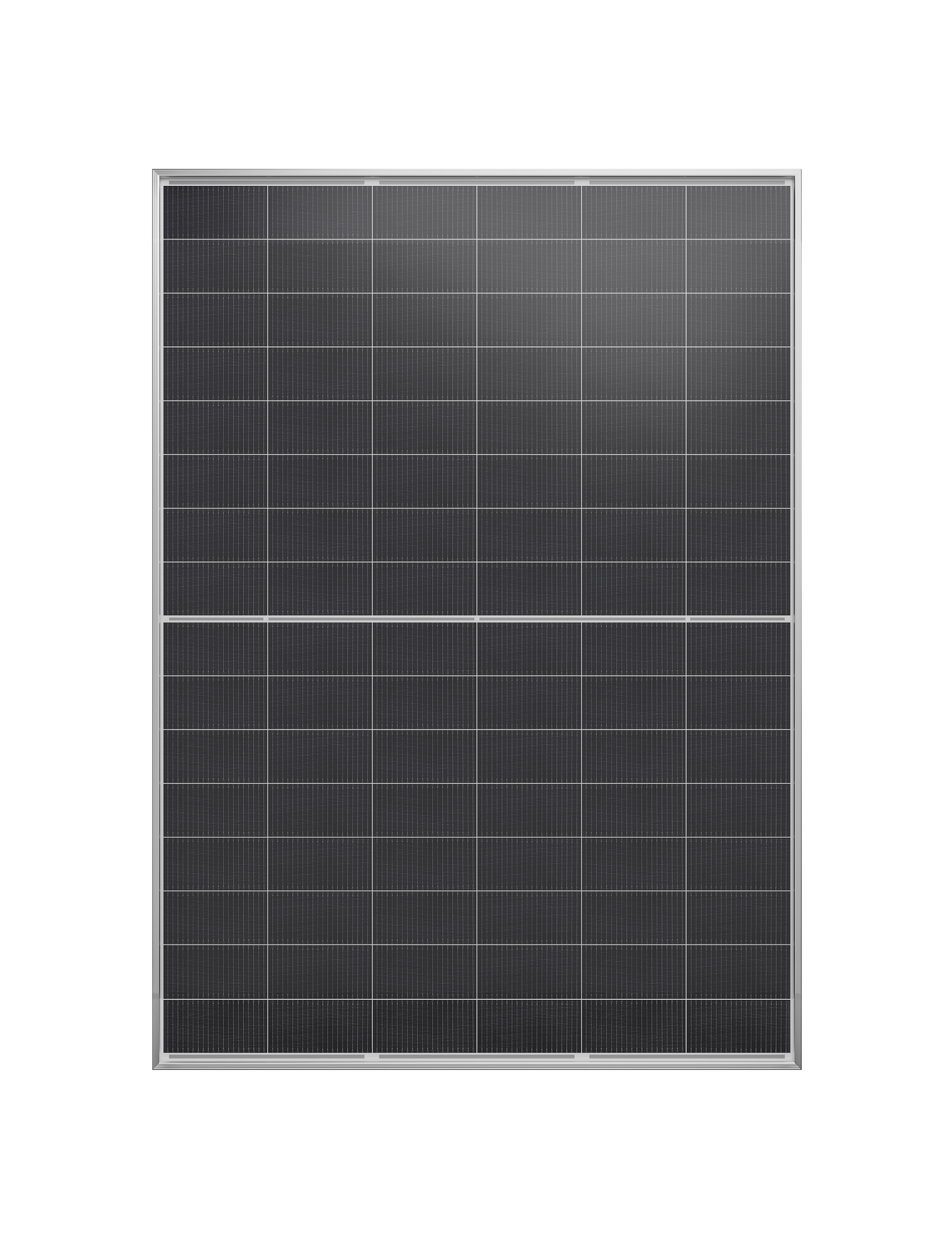
Jinko Tiger Neo 3.0
A 475 W N-type TOPCon panel from Jinko's Tiger Neo 3.0 range, sized at 1762 x 1134 mm for home roofs. It has glass on both sides but generates from the front only, with a 25-year product and 30-year performance warranty in Australia.
$172 From $150 including GST Save 13%
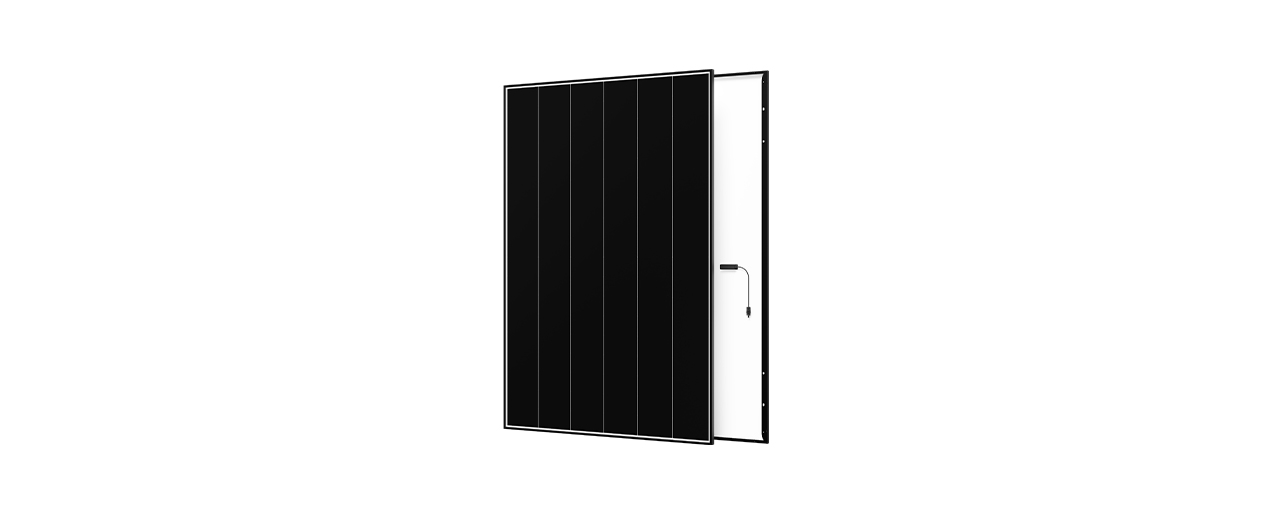
AIKO Neostar 3P54
The AIKO Neostar 3P54 490 W uses back-contact cells, so there are no metal lines on the front and the panel looks clean with a black frame. At 24.5% efficiency it fits 490 W into a standard 1762 x 1134 mm size.
$219 From $209 including GST Save 5%
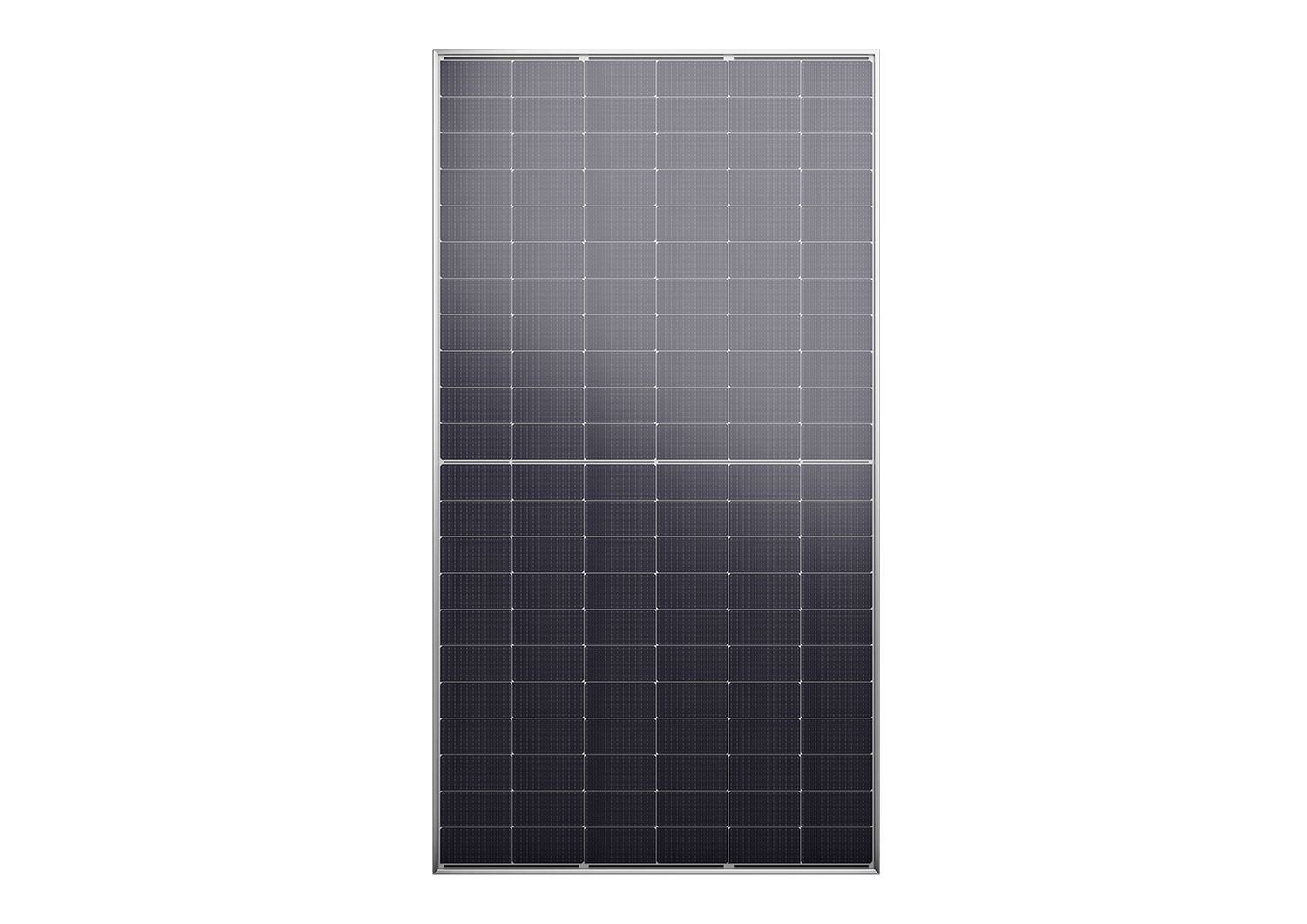
Jinko Tiger Neo 595 W bifacial
A large-format 595 W N-type TOPCon panel with glass on both sides, so it can add output from light reflected onto its back. It is bigger and heavier than a typical home panel, with a 12-year product warranty and a 30-year performance warranty.
From $152 including GST
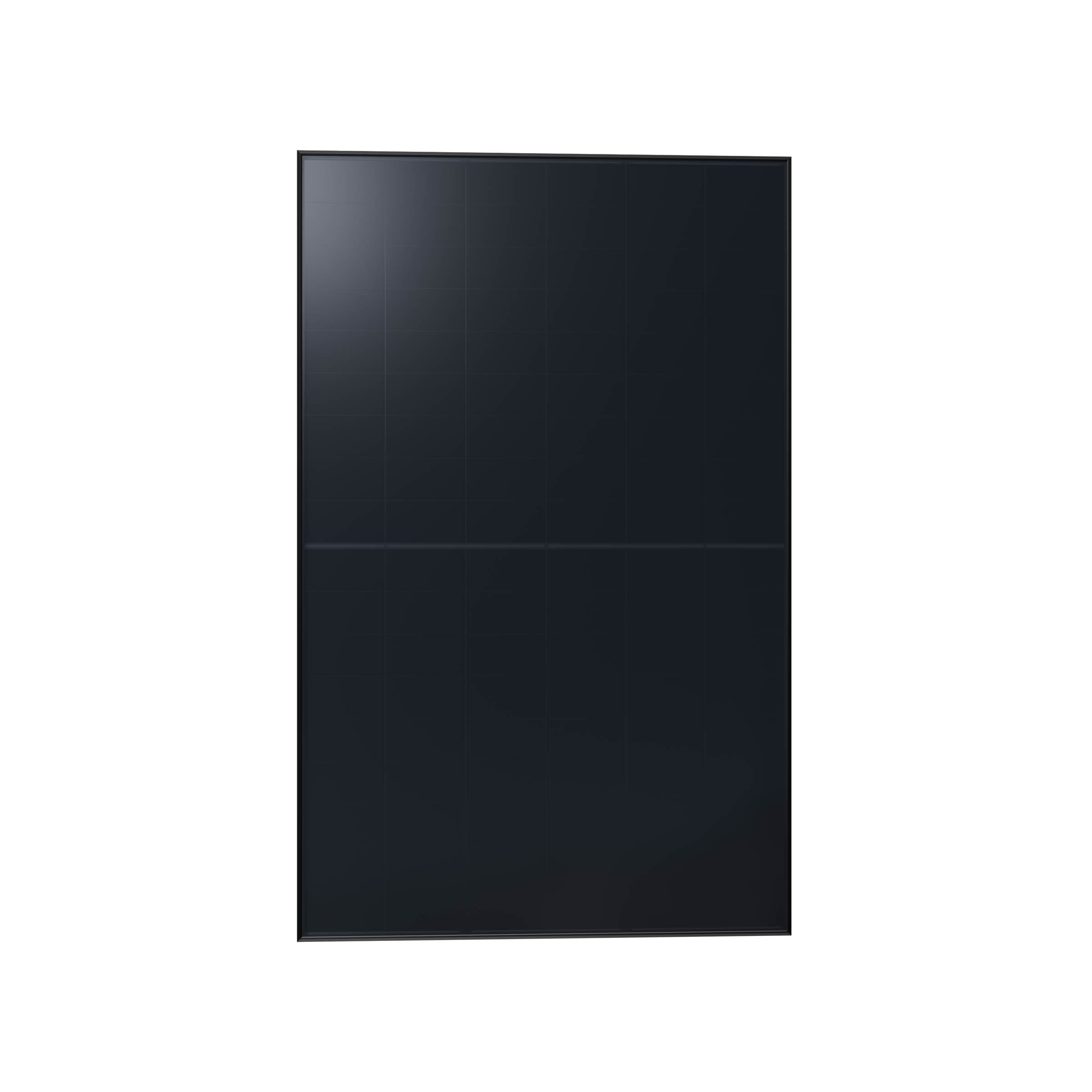
WINAICO WBC Ultra Black
A 485 W all-black panel with glass on both sides, using N-type back-contact cells, so there are no metal lines on the front. It carries a 30-year product warranty and a 30-year performance warranty from WINAICO's Sydney-based Australian company.
$275 From $213 including GST Save 23%
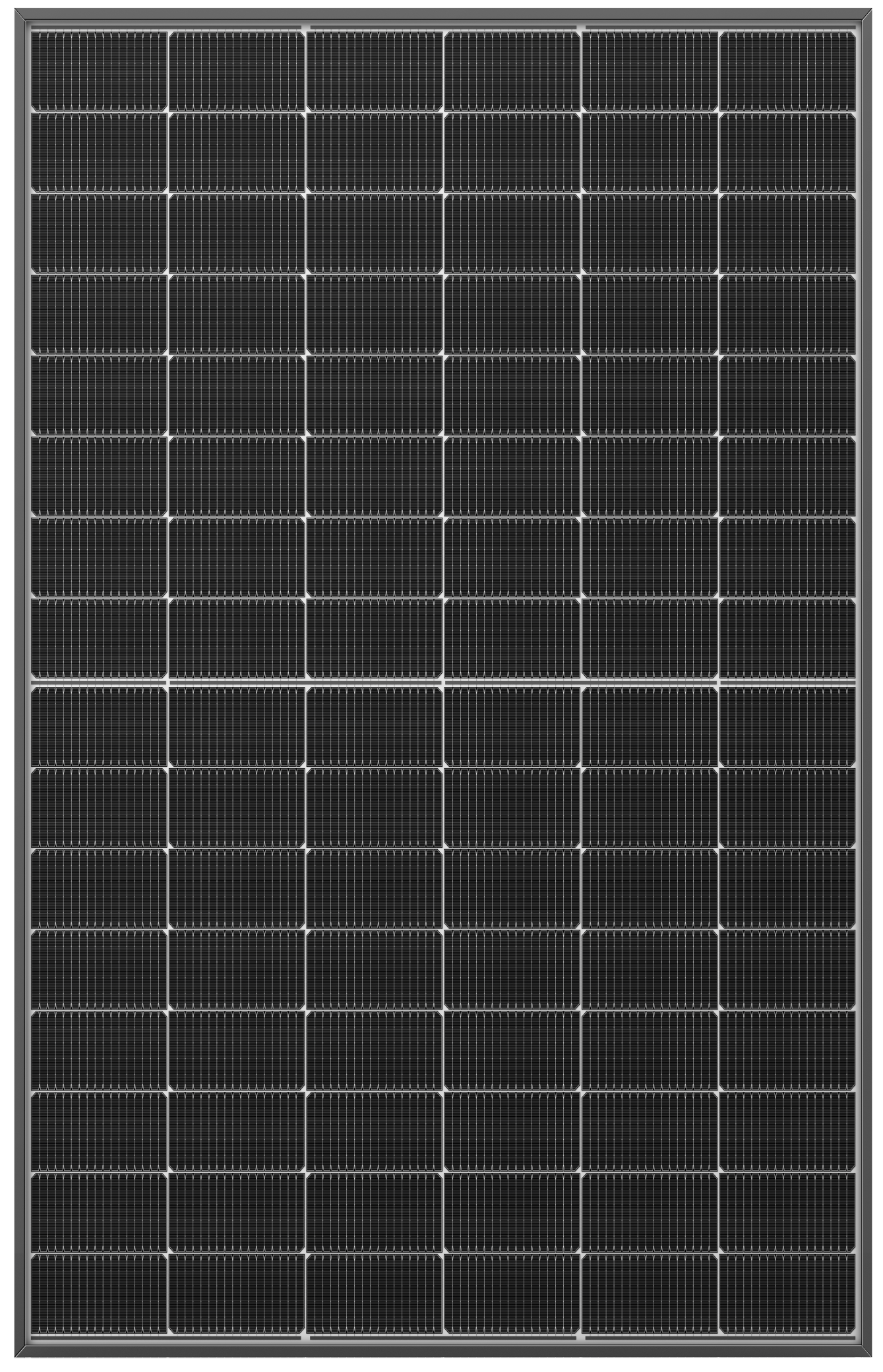
Risen N-type TOPCon 475 W
A 475 W N-type TOPCon panel with glass on both sides and a black frame, in a standard 1762 x 1134 mm home size. It can gain some output from its rear side, with a 25-year product warranty for rooftop installs and a 30-year performance warranty from Risen's Australian company.
$147 From $118 including GST Save 20%
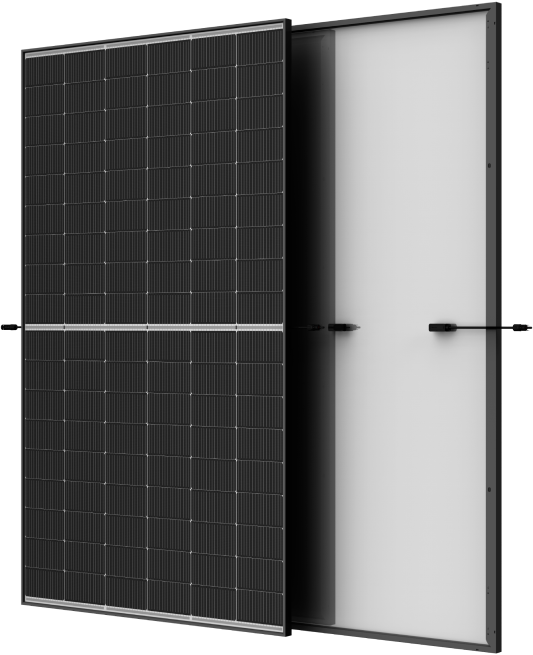
Trina Vertex S+ dual-glass panel
Trina's Vertex S+ N-type dual-glass home panel from 450 W to 515 W, 30 mm frame, with a 25-year warranty. All-black, black-frame and silver-frame versions.
From $155 including GST
Trina Vertex S+ G3 dual-glass panel
The third-generation Trina Vertex S+ N-type dual-glass panel at 505 W and 510 W, black frame, with a 15-year warranty.
From $191 including GST
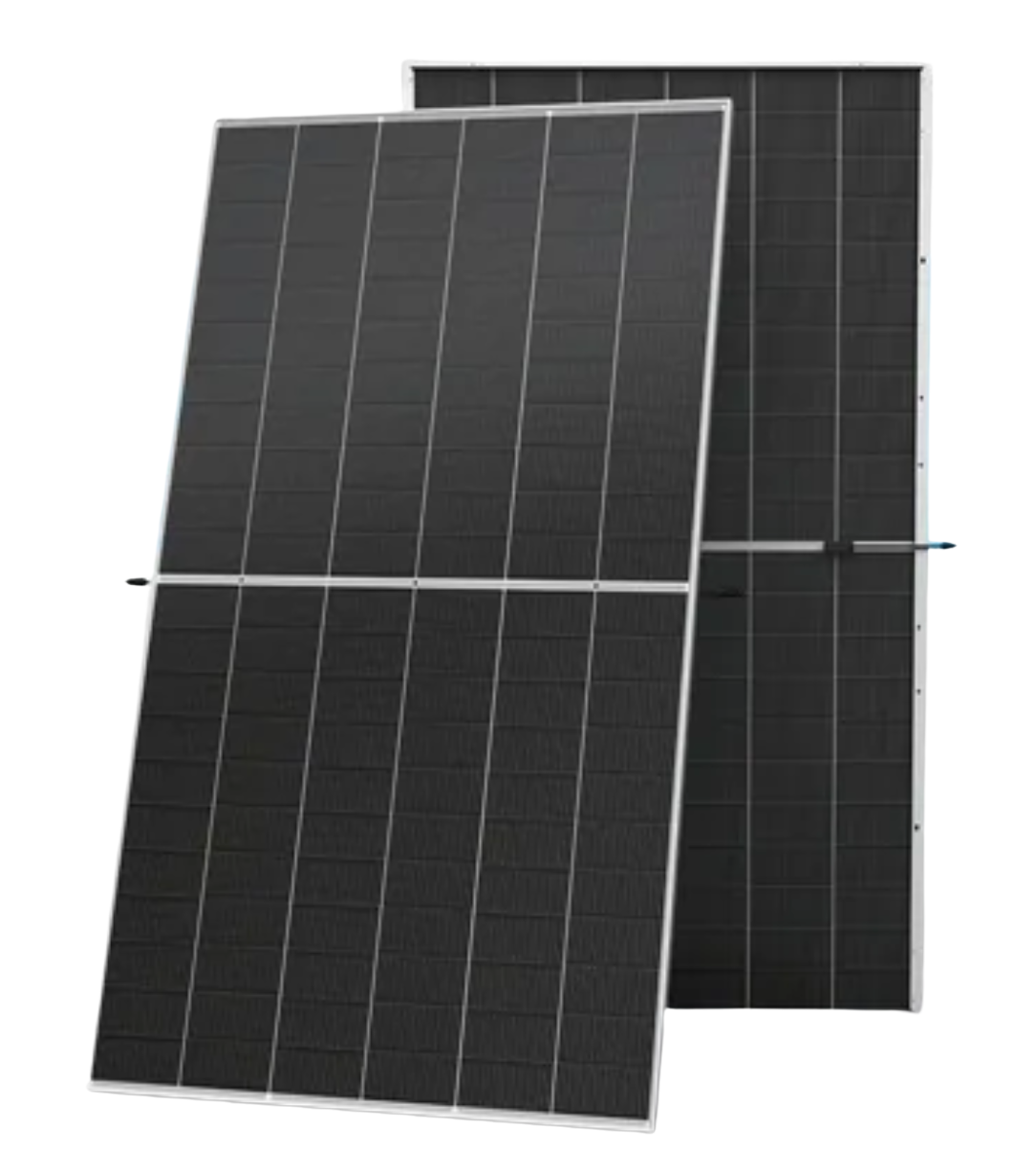
Trina Vertex N commercial panel
Trina's large-format Vertex N i-TOPCon panel at 620 W to 630 W, silver frame, with a 12-year warranty, for commercial roofs and ground mounts.
From $195 including GST
Trina Vertex 575 W commercial panel
Trina's 575 W Vertex PERC panel with a silver 30 mm frame, for commercial roofs and ground mounts.
From $150 including GST
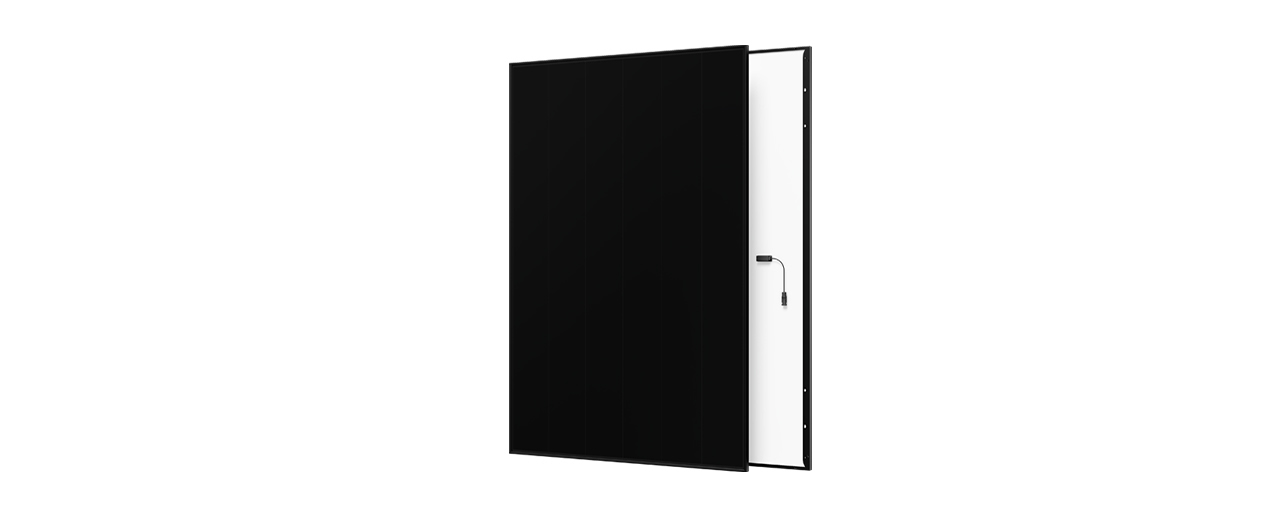
AIKO Neostar 3S54 all-black panel
AIKO's all-black-front back-contact (ABC) N-type panel at 485 W to 495 W, with a 25-year warranty. The 3S+54 is the dual-glass version.
From $213 including GST
AIKO Neostar 2P panel
AIKO's 475 W back-contact (ABC) N-type panel with a black frame and a 25-year warranty.
From $183 including GST
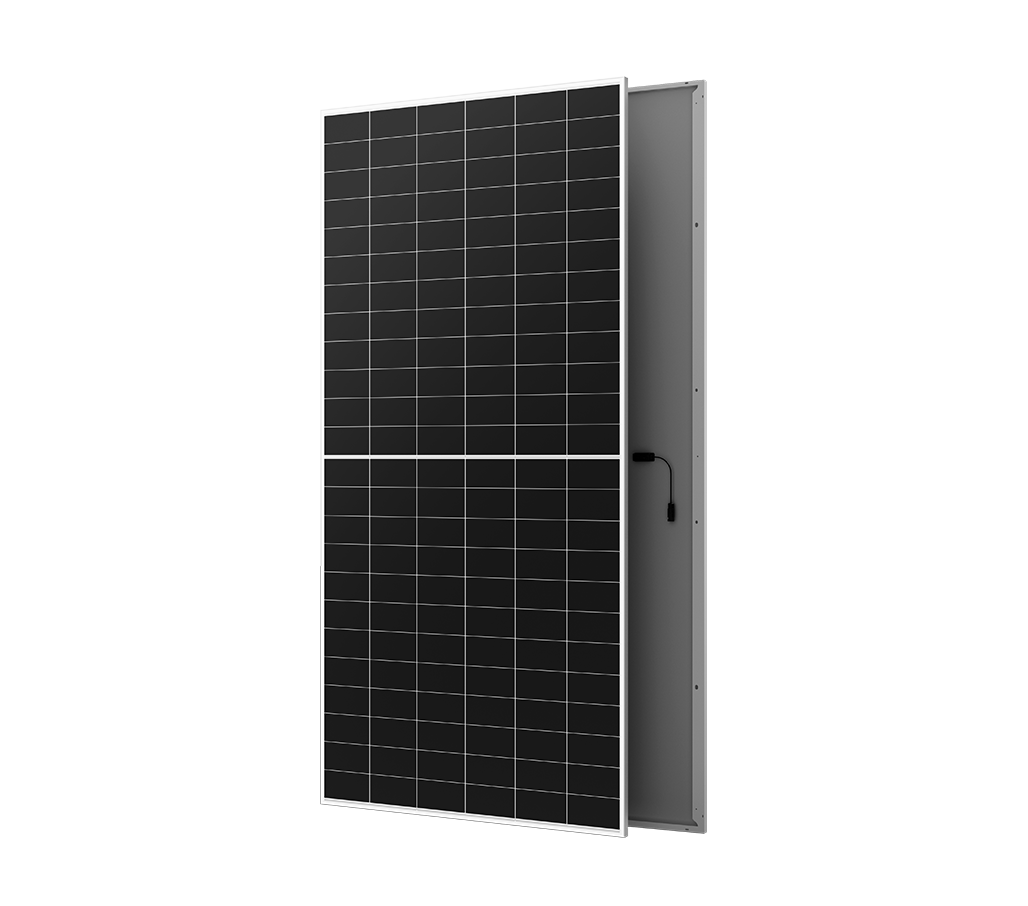
AIKO Comet commercial panel
AIKO's large-format back-contact (ABC) Comet panel from 650 W to 675 W, silver frame, with a 15-year warranty, for commercial roofs and ground mounts.
From $206 including GST
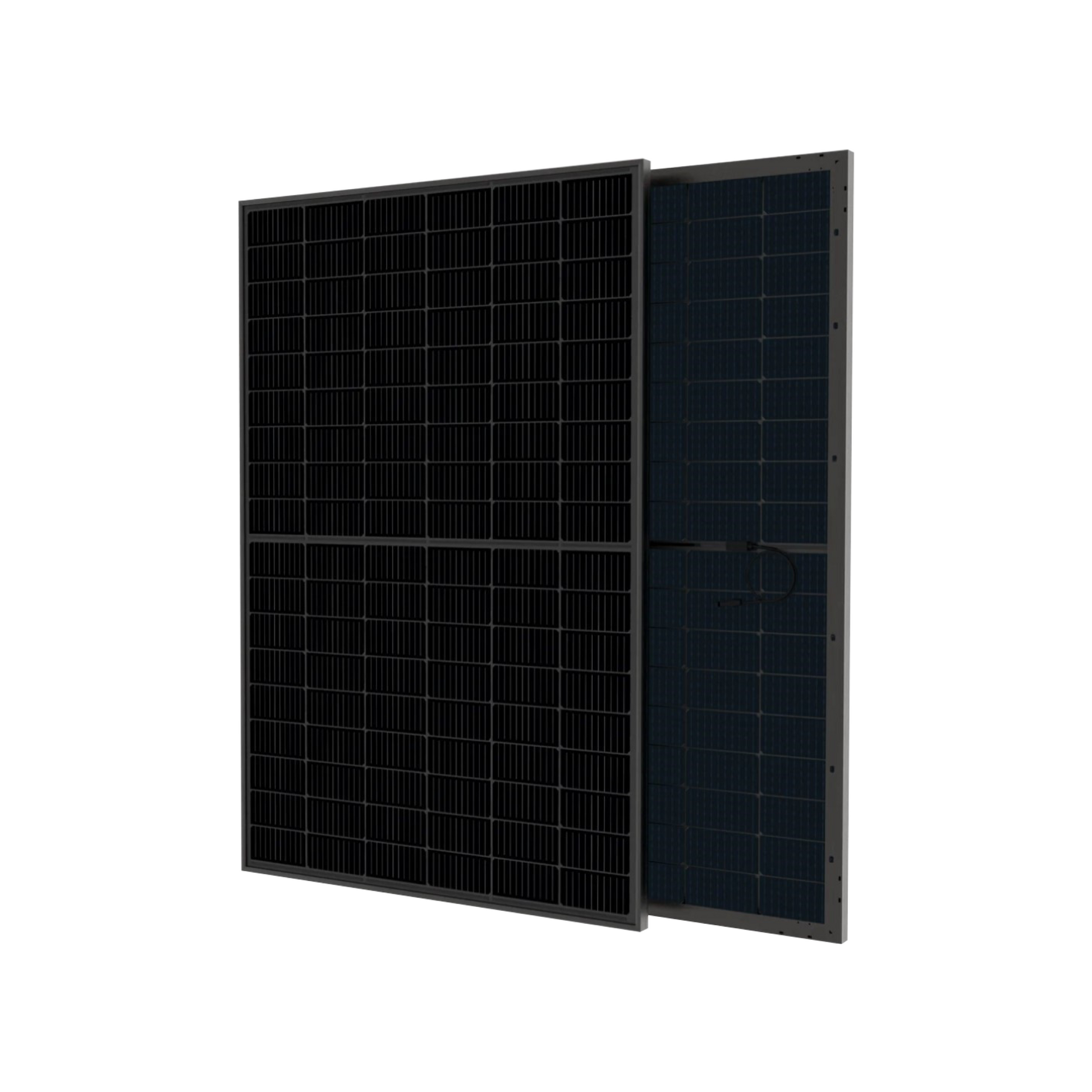
Talesun N-type panel
Talesun's N-type home panels with a 25-year warranty: a 450 W bifacial panel and back-contact (BC) panels at 475 W (all black) and 490 W.
From $142 including GST
Sungrow 470 W bifacial panel
Sungrow's 470 W N-type bifacial panel with a black 30 mm frame and a 25-year warranty.
From $155 including GST
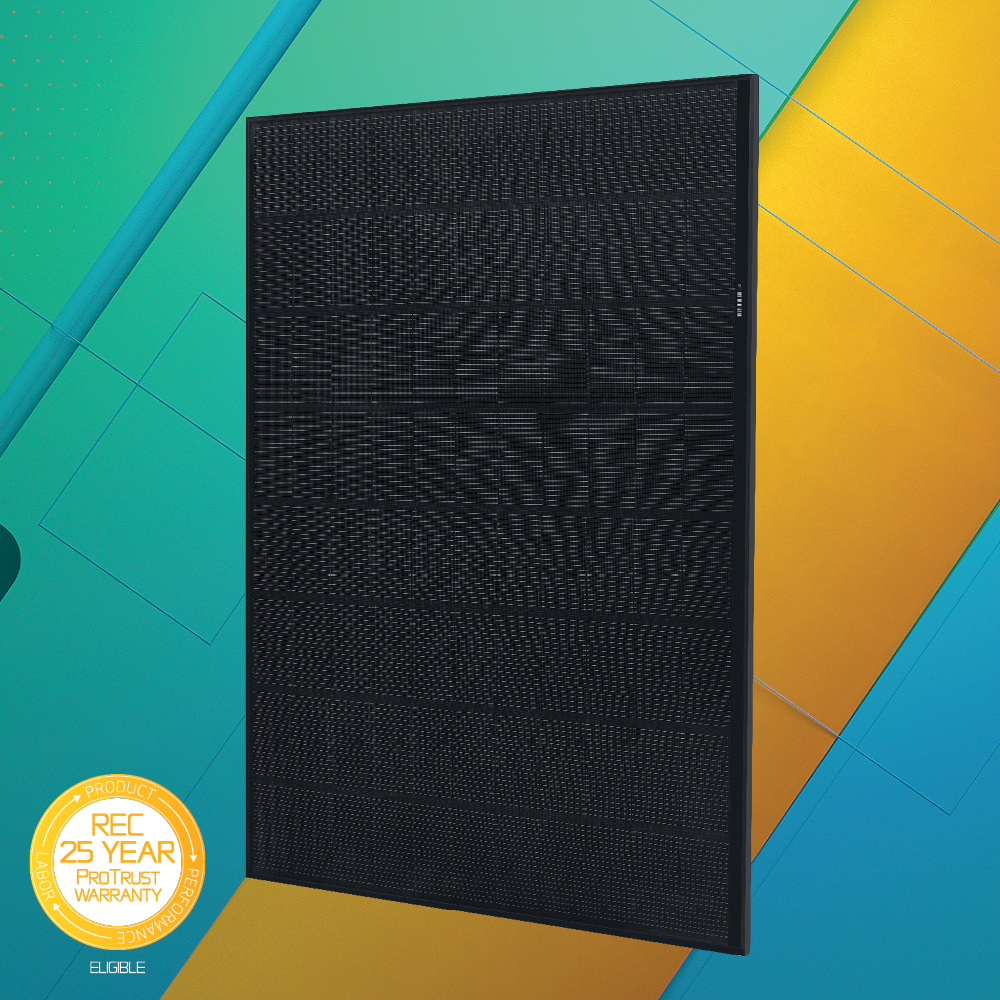
REC Alpha Pure panel
REC's all-black N-type half-cell panels: the Alpha Pure-R at 420 W and the Alpha Pure-RX at 470 W and 475 W.
From $156 including GST
Battery storage 16
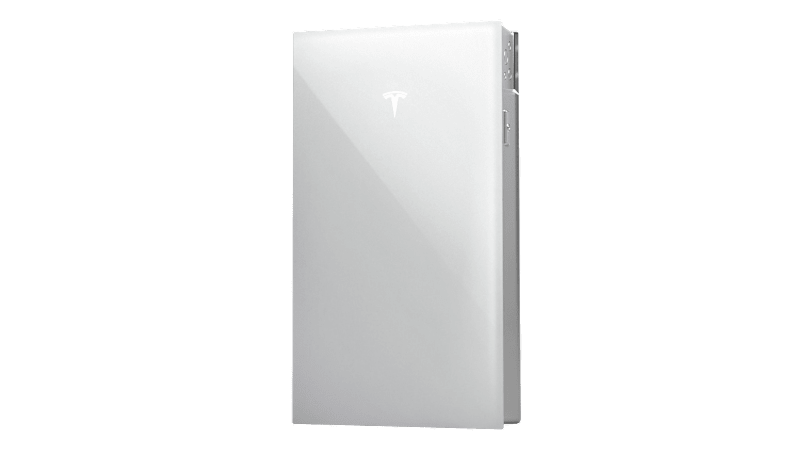
Tesla Powerwall 3
Powerwall 3 combines a solar inverter and a 13.5 kWh battery in one unit, supplied with Backup Gateway 2 for whole-home backup. The 5, 10 and 11.04 kVA versions are the same hardware set to different output ratings to match your network's rules.
From $10,436 including GST
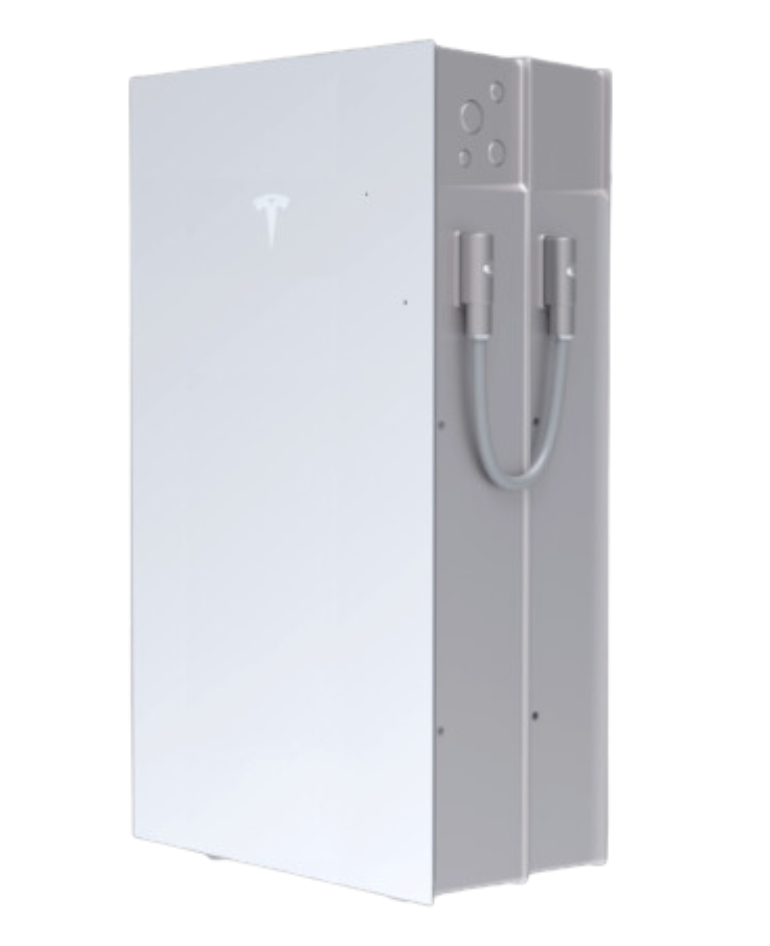
Powerwall 3 Expansion
An extra 13.5 kWh battery that connects to an existing Powerwall 3 through a harness, floor-stacked behind it or wall mounted. It only works with Powerwall 3, up to three per unit.
From $7,893 including GST
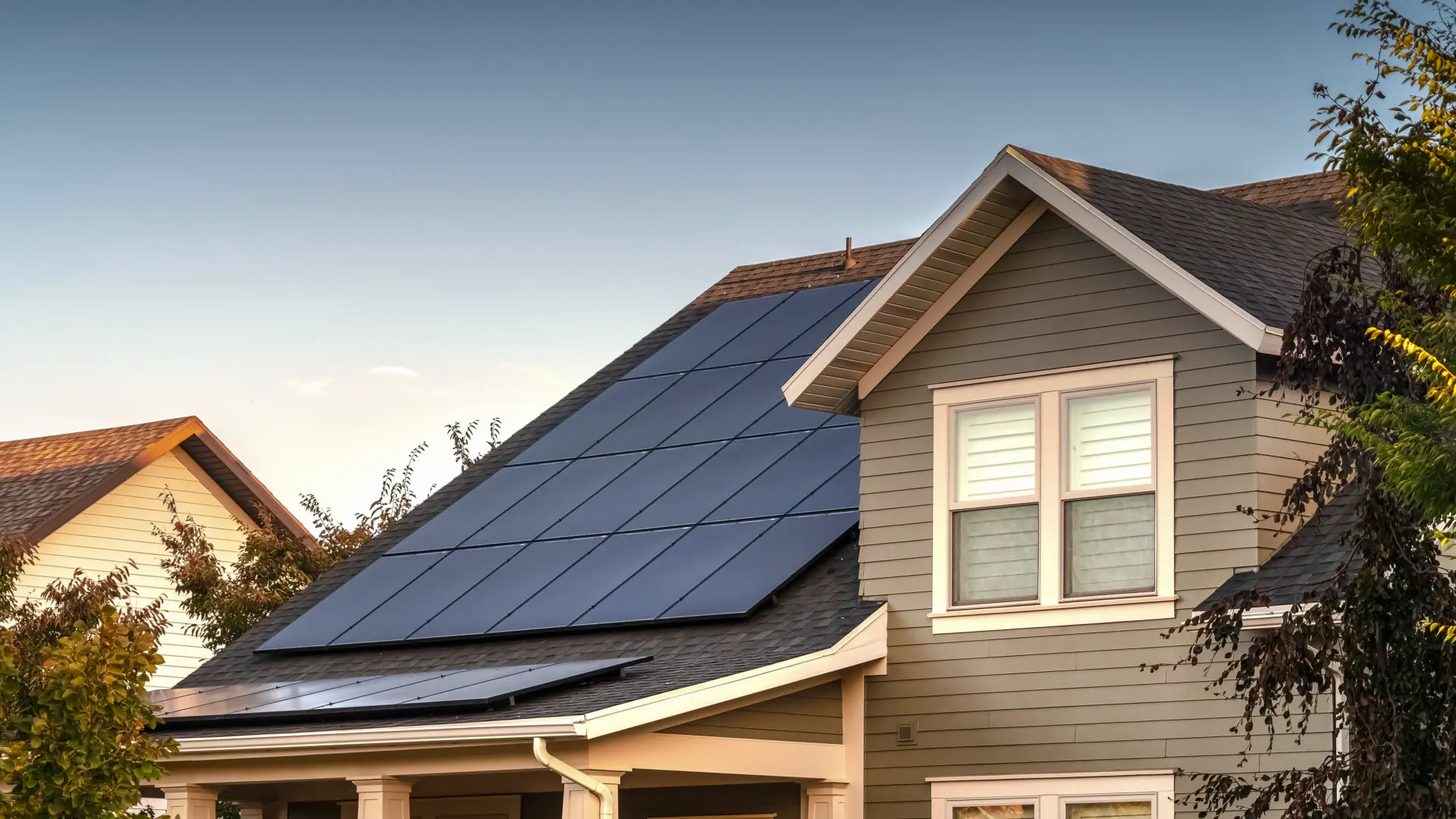
Sigenergy SigenStor
An integrated energy platform combining solar, storage and energy management, with EV DC charging as a configuration option.
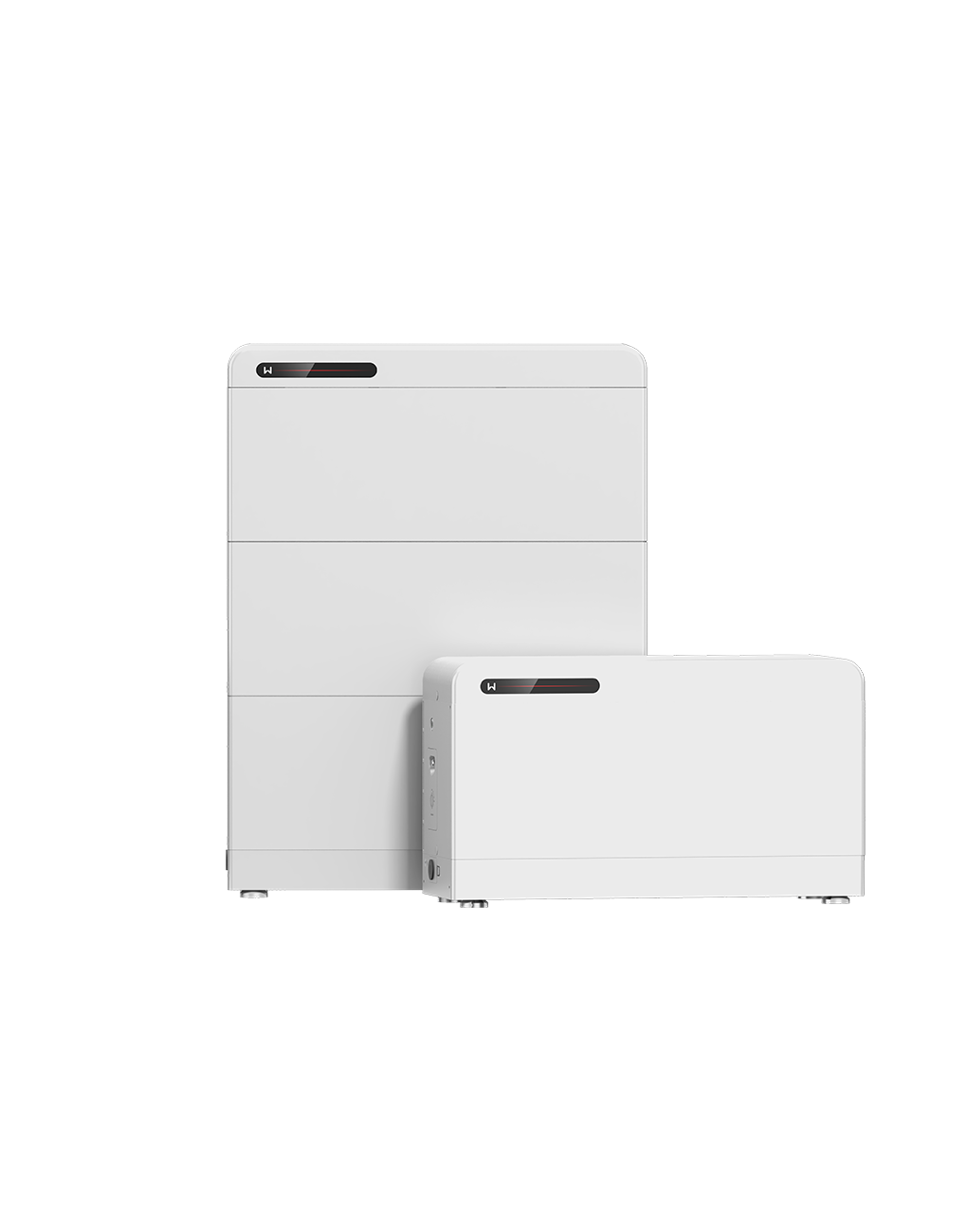
GoodWe Lynx D G2 battery
The Lynx D G2 is GoodWe's newest high-voltage LFP battery, sold as 8 kWh stackable packs that each have their own management unit. It pairs with GoodWe's ESA all-in-one and ET hybrid inverters, and grows by adding packs in parallel.
From $2,001 including GST
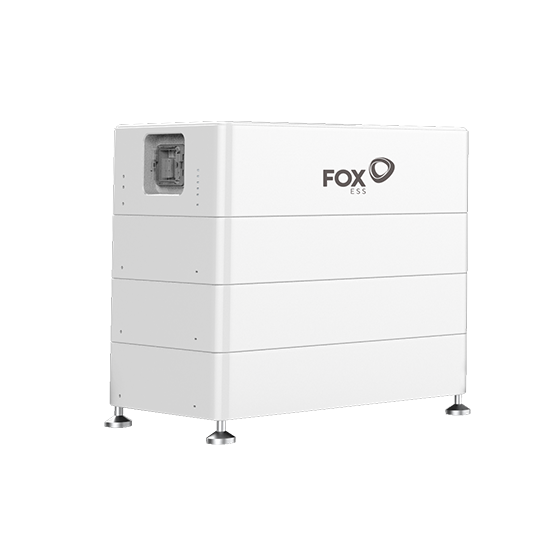
FoxESS CQ7 battery
The CQ7 is FoxESS's modular high-voltage LFP stack, built from 6.96 kWh modules. These configurations range from 27.84 to 48.72 kWh and include the warm-up function for cold mornings.
From $9,070 including GST
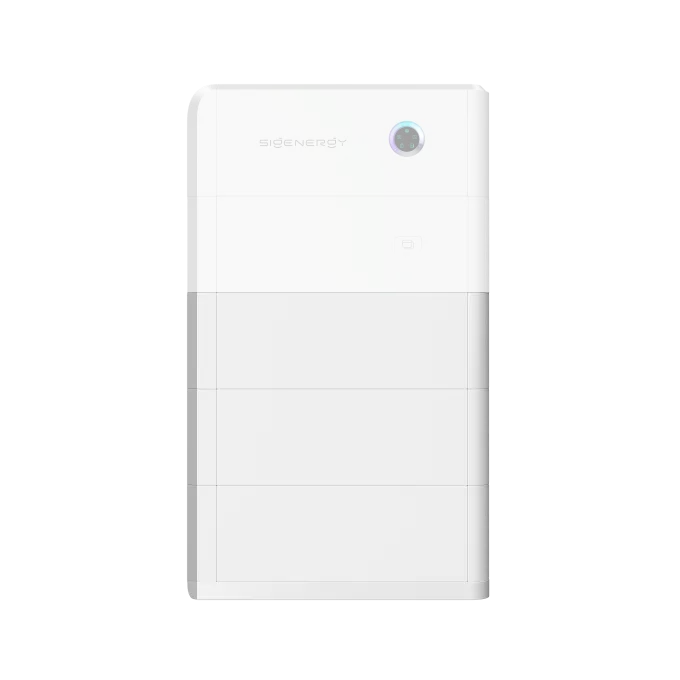
Sigenergy SigenStor battery module
A SigenStor battery module stacks on a SigenStor energy controller. Add modules to build the storage you need, now or later.
From $2,886 including GST
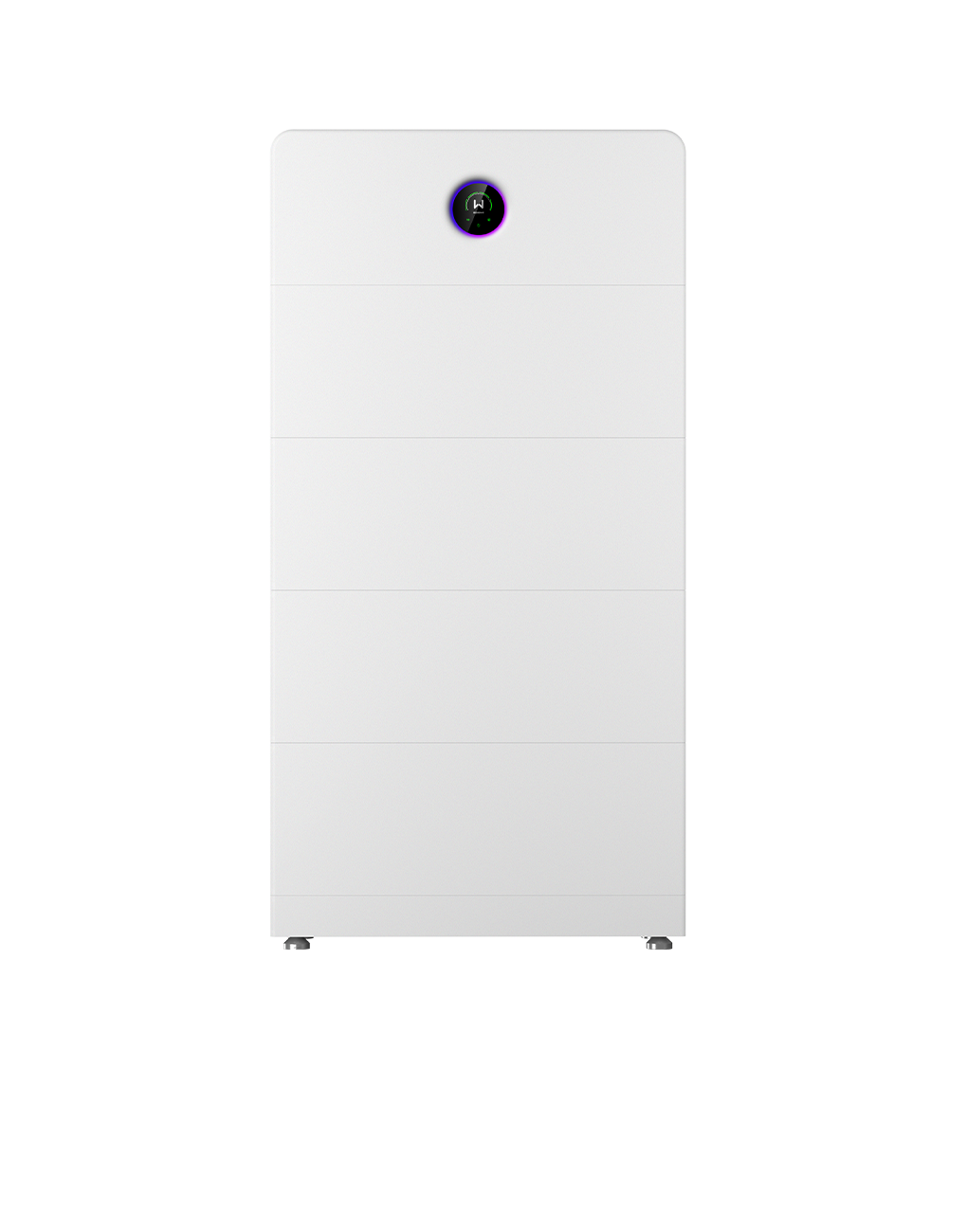
GoodWe ESA
GoodWe ESA is a stackable all-in-one battery system: a GoodWe inverter with battery modules pre-wired above it. It can back up the whole home without a separate gateway, in single-phase and three-phase sizes.
Tesla Powerwall 3P
Tesla's announced three-phase Powerwall option. Tesla says Australian availability and launch pricing are not yet available.
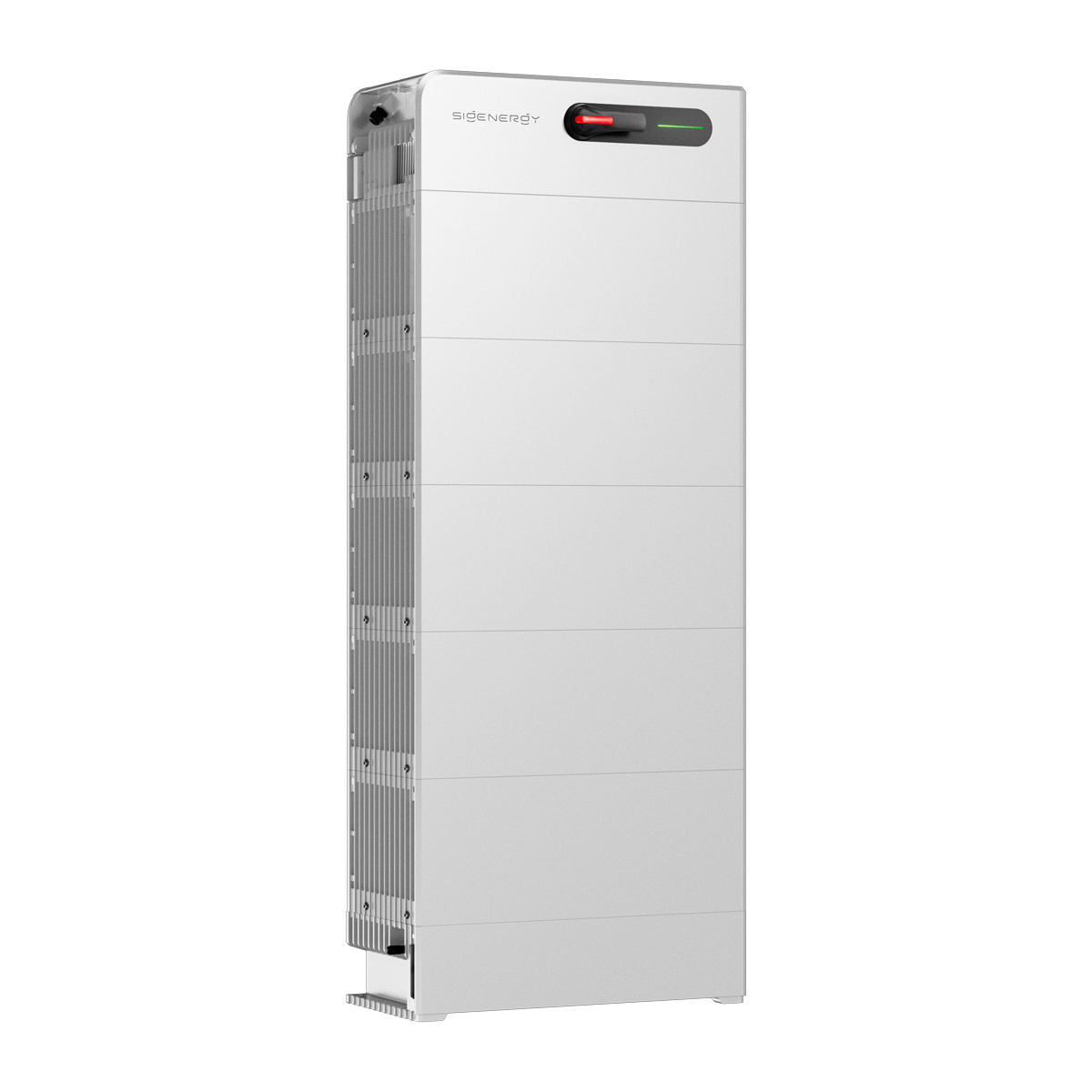
Sigenergy SigenStack commercial battery
Sigenergy's commercial battery, built as a stack: SigenStack BAT 12.0 modules (12.06 kWh each) on a split-mounted main and sub base, run by a SigenStack battery controller, with a cover and the controller cables. It pairs with a Sigen PV M1 hybrid inverter (the HYB series for backup). Two configurations are listed: eight modules on a 1C controller (96.48 kWh usable) and Sigenergy's nine-module 0.5C configuration (108.54 kWh usable, 0.46C with a 50 kW inverter). We design every site, and other configurations are quoted to suit.
From $56,117 including GST
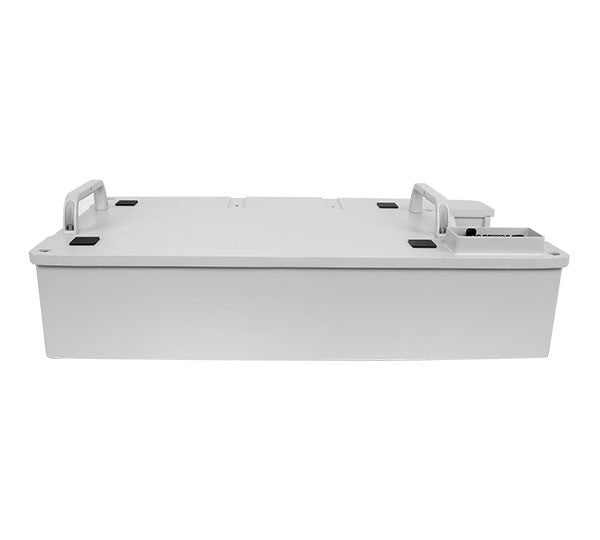
Sungrow SBR battery
Sungrow's high-voltage home battery built from 3.2 kWh modules: three to eight modules on one base, 9.6 kWh to 25.6 kWh usable. Each size includes the base, cover and switchgear.
From $4,876 including GST
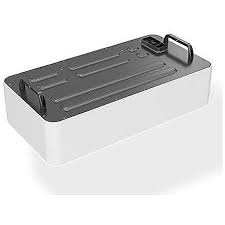
Sungrow SBH battery
Sungrow's larger-module home battery built from 5 kWh modules: two to eight modules on one base, 10 kWh to 40 kWh usable. Each size includes the base, cover and switchgear.
From $5,086 including GST
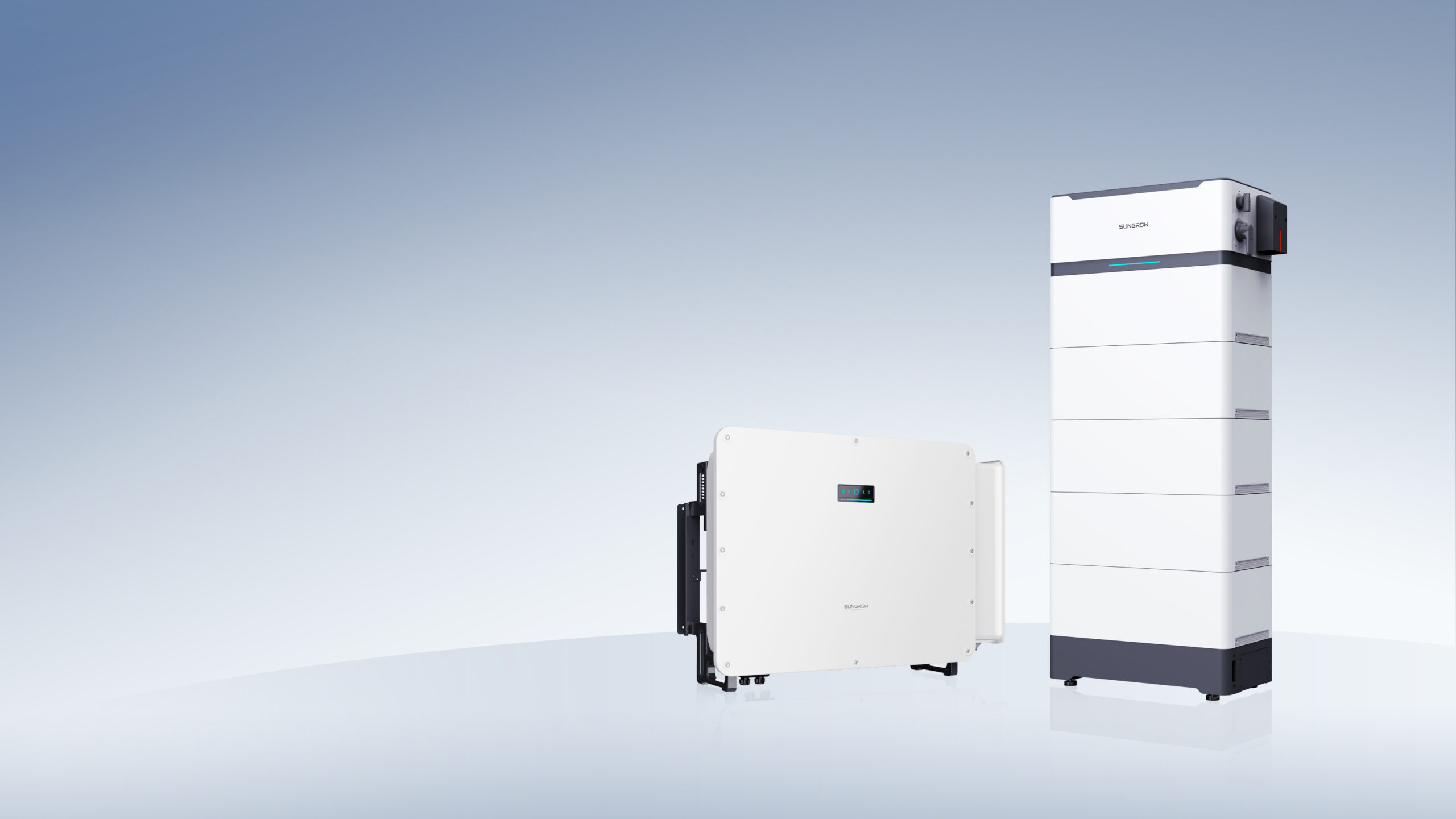
Sungrow PowerKeeper commercial battery
Sungrow's modular commercial and industrial battery from 49.9 kWh to 249.6 kWh, built from 12.48 kWh packs.
From $27,713 including GST
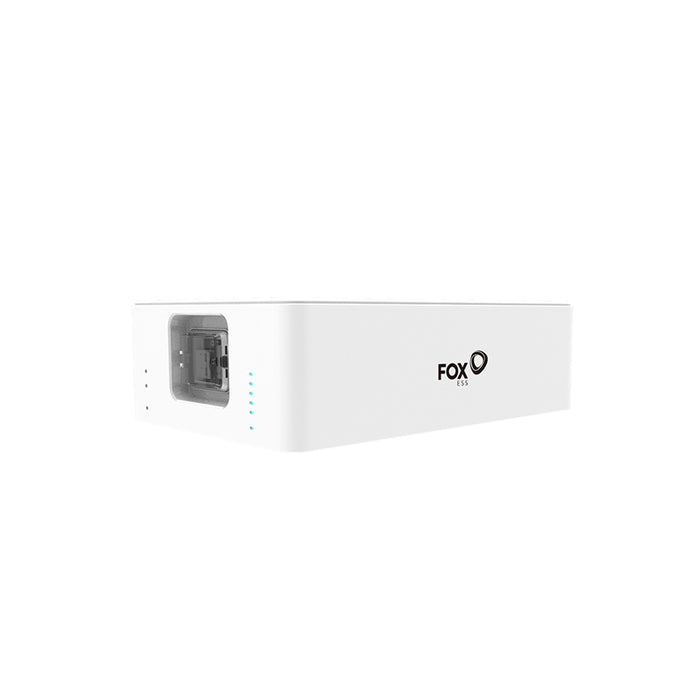
FoxESS EQ4800 battery
FoxESS's home battery built from 4.66 kWh modules: one master and one to eight slaves, 9.32 kWh to 41.93 kWh.
From $2,885 including GST
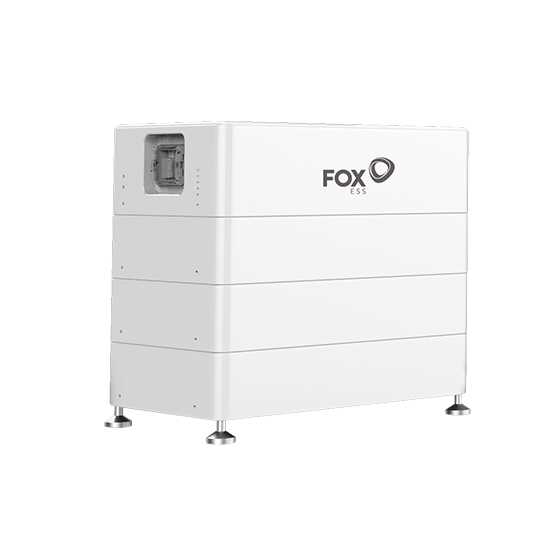
FoxESS CQ6 battery
FoxESS's home battery built from 5.99 kWh modules: one master and one to five slaves, 11.98 kWh to 35.94 kWh.
From $3,847 including GST
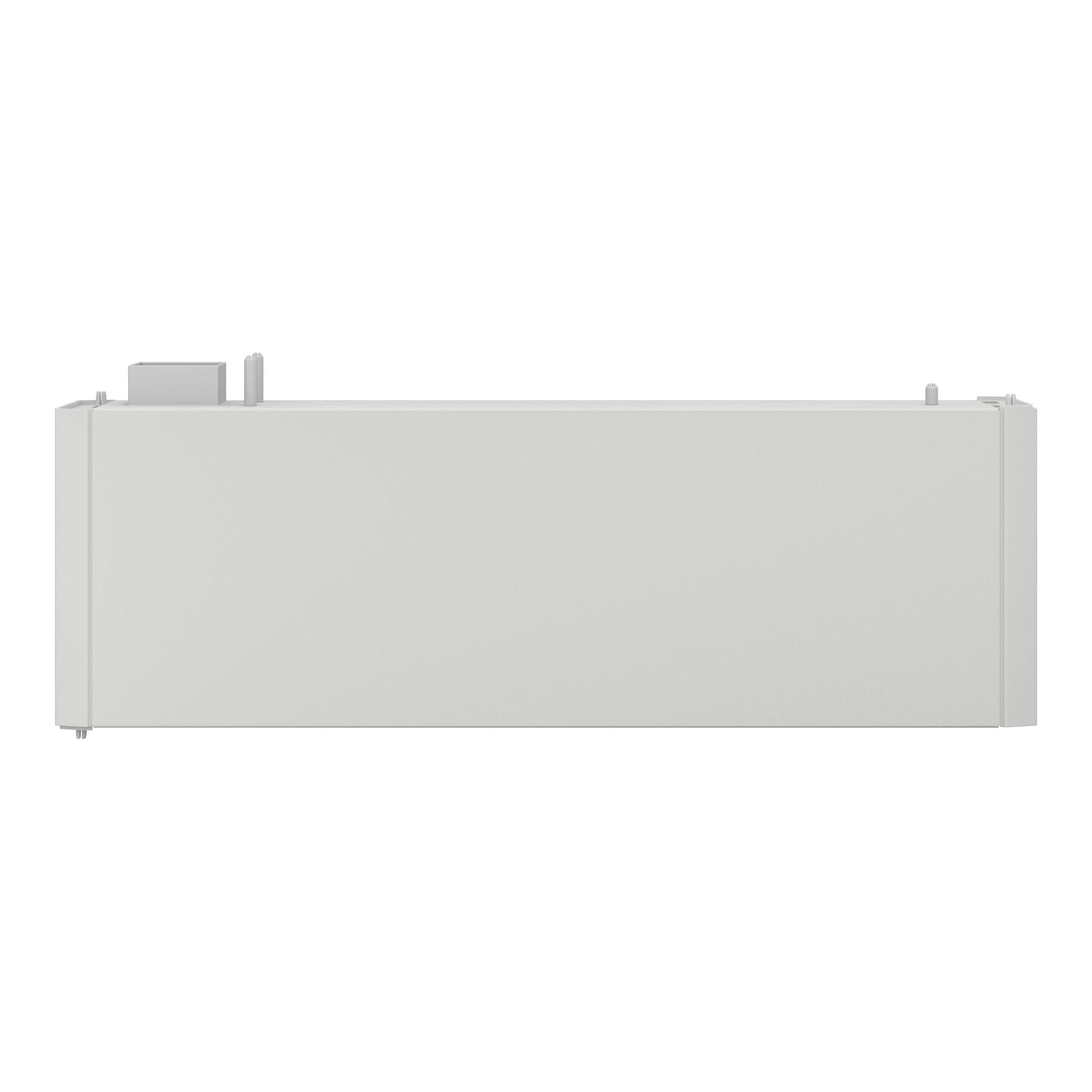
Fronius Reserva battery
Fronius's home battery for GEN24 Plus inverters, built from 3.15 kWh modules: two to five modules, 6.31 kWh to 15.79 kWh usable. Each size includes the battery management unit.
From $5,387 including GST
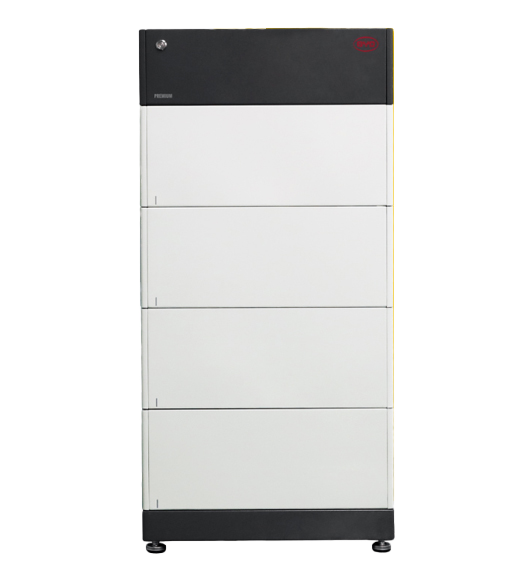
BYD Battery-Box Premium HVM
BYD's high-voltage home battery built from 2.76 kWh modules: three to eight modules, 8.28 kWh to 22.08 kWh usable. Each size includes the BCU and base.
From $5,840 including GST
Inverters 31
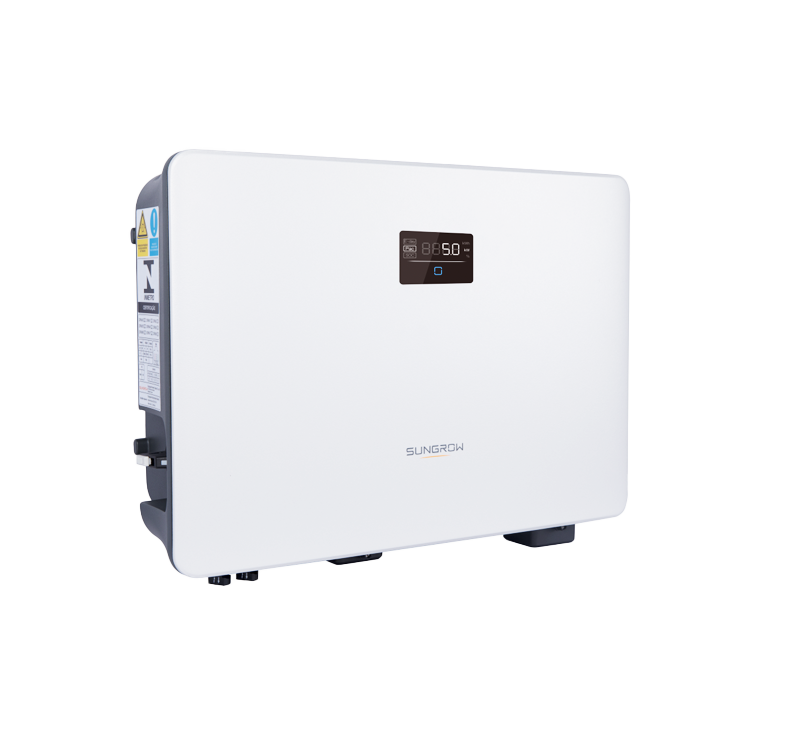
Sungrow SH-RS hybrid inverter
A single-phase inverter that runs your solar panels and a Sungrow high-voltage battery from one box, switching to backup in under 10 milliseconds when the grid drops. The 8 and 10 kW models add a 63 A bypass for whole-home backup.
From $2,399 including GST
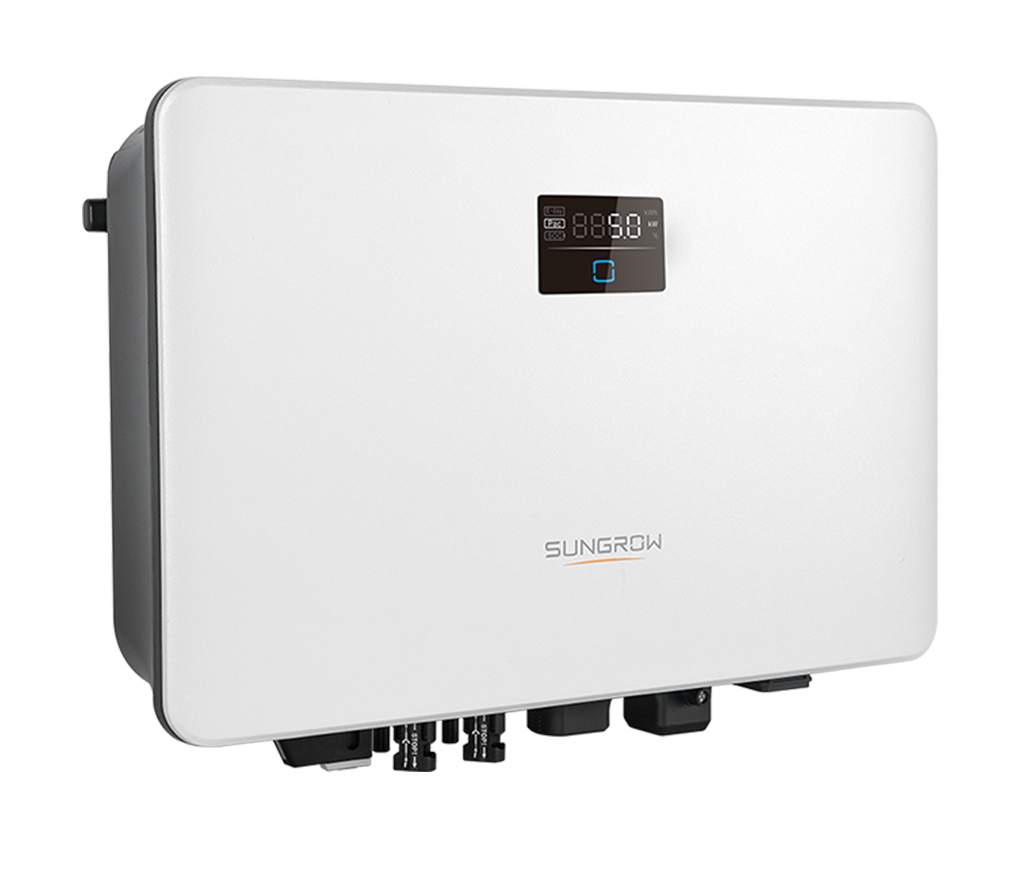
Sungrow SG-RS solar inverter
A single-phase solar-only inverter that turns your panels' power into household power. It has three separate panel inputs, so it handles roofs where panels face different directions, but it has no battery connection.
From $956 including GST
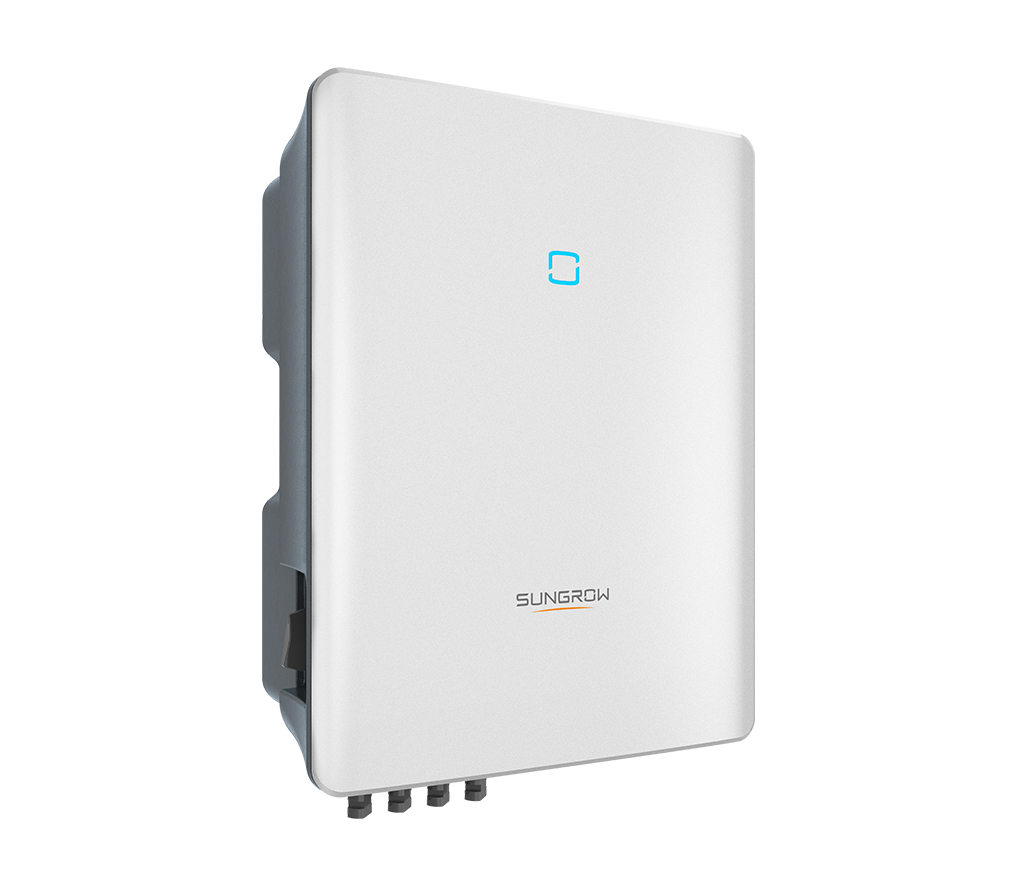
Sungrow SG-RT three-phase solar inverter
A compact three-phase solar-only inverter that spreads output evenly across all three phases. At 18 kg it is light, with two panel inputs and no battery connection.
From $1,781 including GST
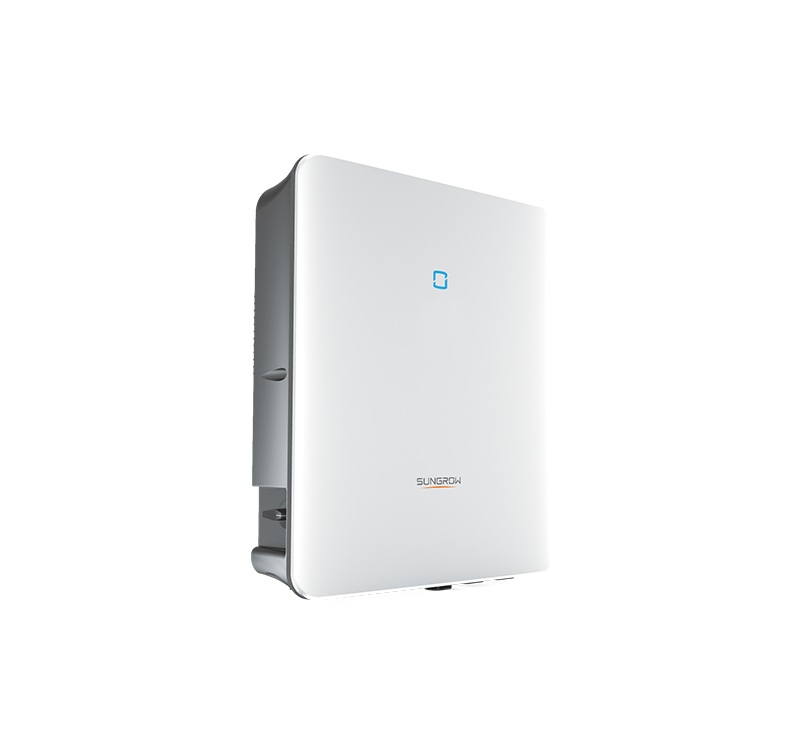
Sungrow SH10RT three-phase hybrid
A quiet three-phase hybrid that manages solar, a Sungrow battery and a backup circuit for essential loads. In an outage it keeps backed-up circuits running on all three phases, including unbalanced loads.
From $4,114 including GST
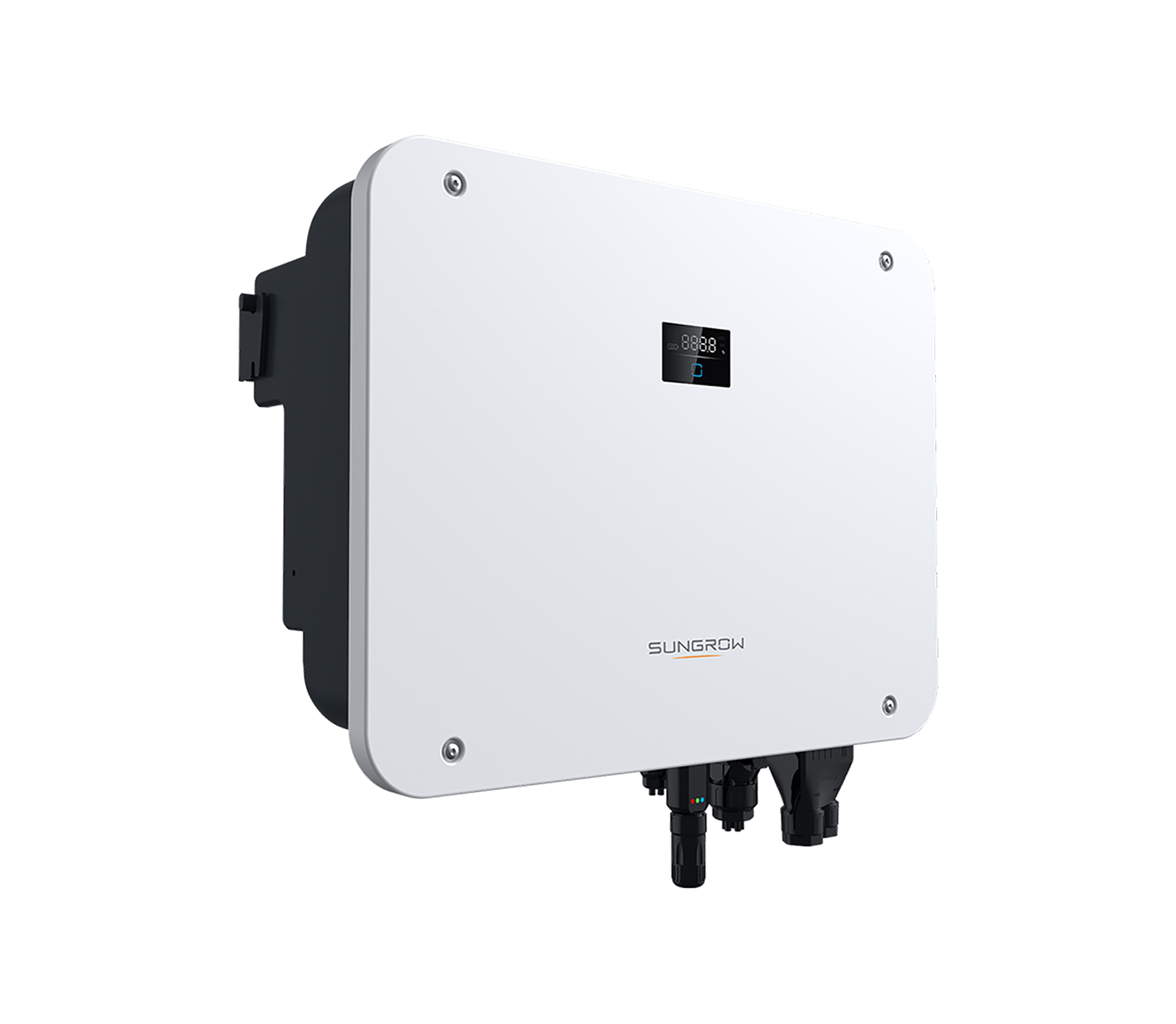
Sungrow SH-T three-phase hybrid
A large three-phase hybrid that can back up the whole home through a built-in 63 A bypass, switching over in under 10 ms. It accepts up to double its rated power in solar panels.
From $3,843 including GST
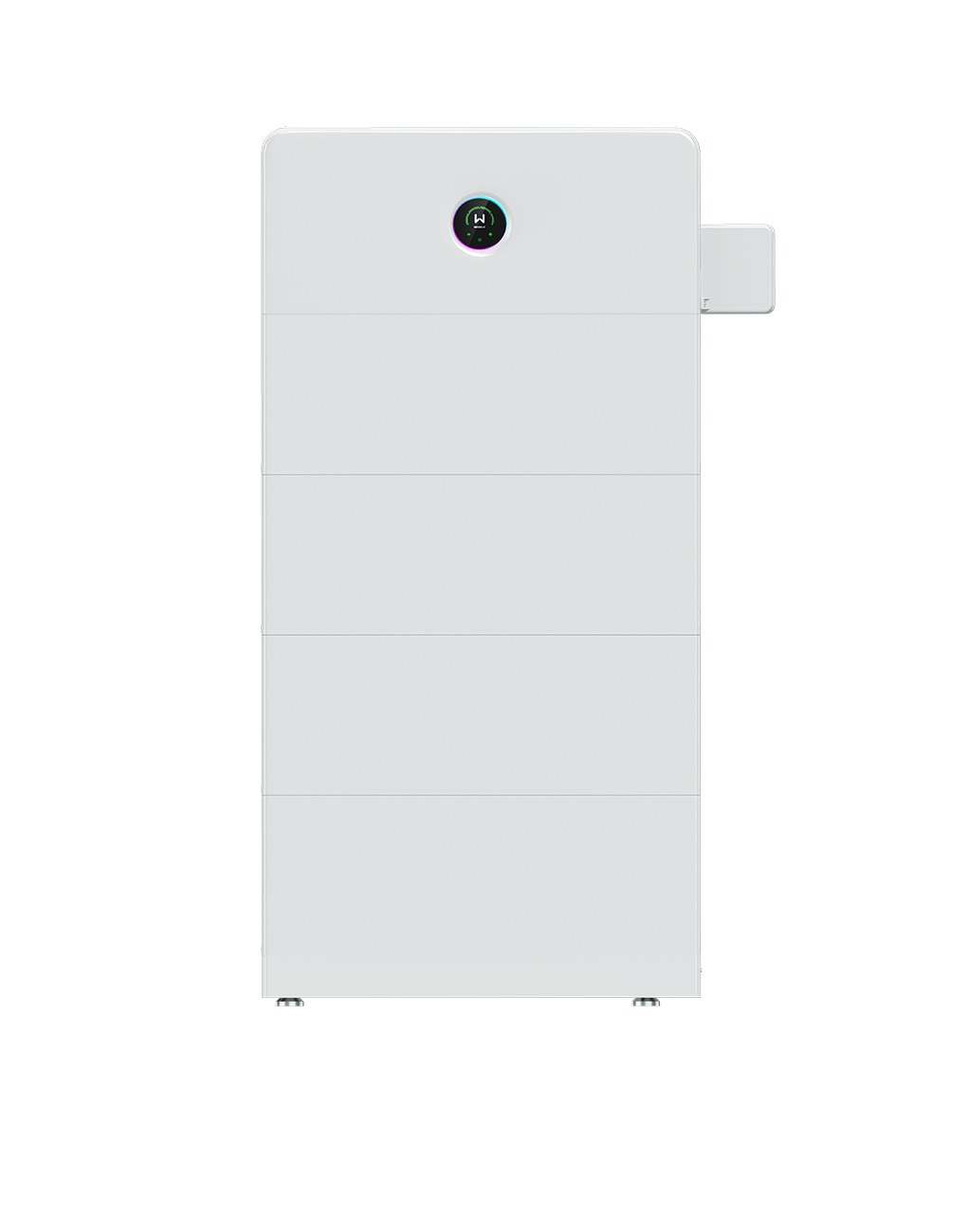
GoodWe ESA three-phase hybrid (ETA)
The inverter module of GoodWe's stackable ESA all-in-one system, which pre-wires the inverter and battery modules together. It backs up the whole home through an internal bypass and switches over in under 4 milliseconds.
From $2,377 including GST
GoodWe ESA single-phase hybrid (EHA)
A fanless single-phase all-in-one inverter that stacks with GoodWe battery modules in one pre-wired unit. It can back up the whole home, switching over in under 4 ms, without a separate gateway.
From $1,532 including GST
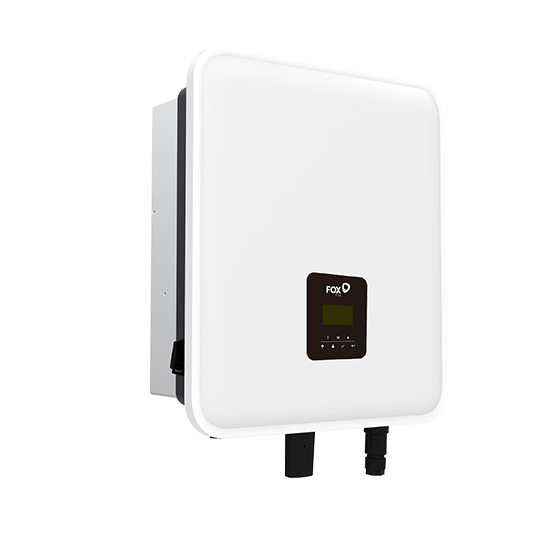
FoxESS KH hybrid inverter
A single-phase hybrid that runs solar and a FoxESS high-voltage battery, and powers backed-up circuits in an outage. It switches over in under 10 ms and is very quiet.
From $2,269 including GST
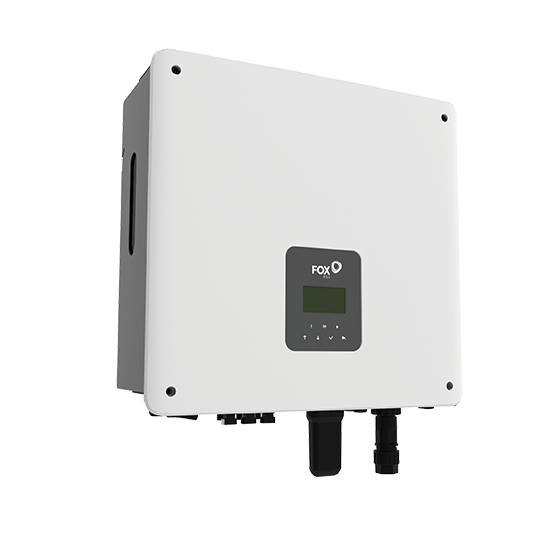
FoxESS H1 G2 hybrid inverter
A compact 5 kW single-phase hybrid for solar plus a FoxESS battery, with a backup outlet circuit. It is light at 22 kg and easy to wall-mount.
From $1,444 including GST
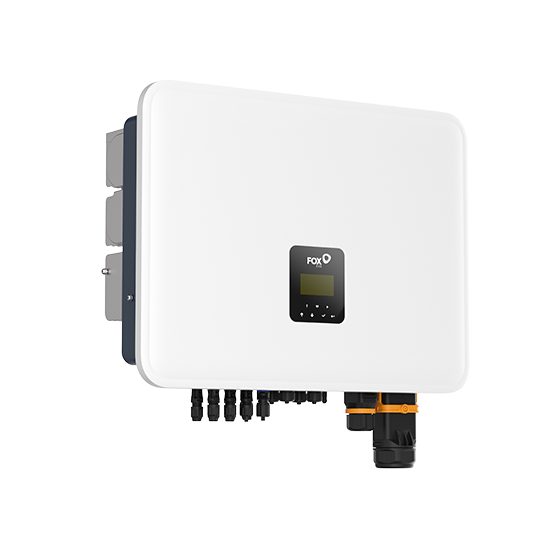
FoxESS H3 Smart three-phase hybrid
A three-phase hybrid that pairs solar with FoxESS high-voltage batteries and keeps backed-up circuits running in an outage. It handles solar arrays up to 200% of its rating.
From $2,338 including GST
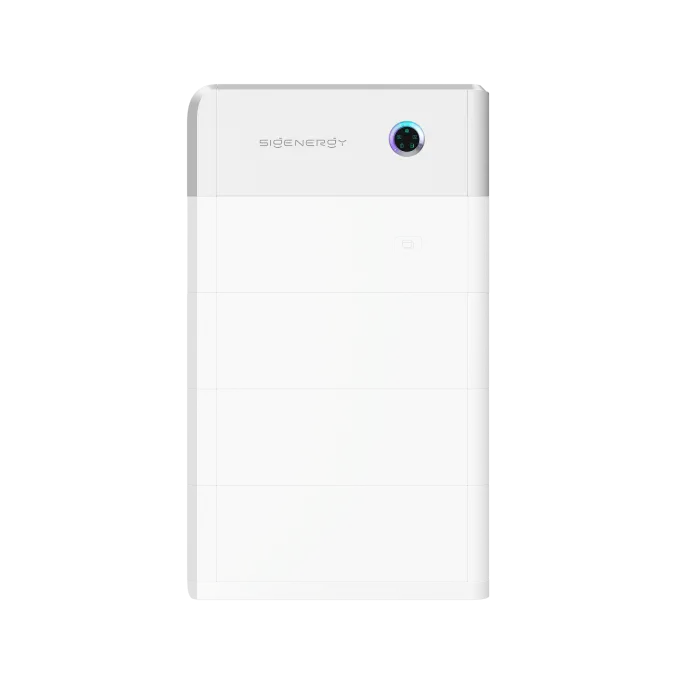
Sigenergy SigenStor energy controller, single phase
The energy controller is the hybrid inverter at the base of every SigenStor system. It runs your solar panels and the SigenStor battery modules stacked on it.
From $1,847 including GST
Sigenergy SigenStor energy controller, three phase
The energy controller is the hybrid inverter at the base of every SigenStor system. It runs your solar panels and the SigenStor battery modules stacked on it.
From $3,163 including GST
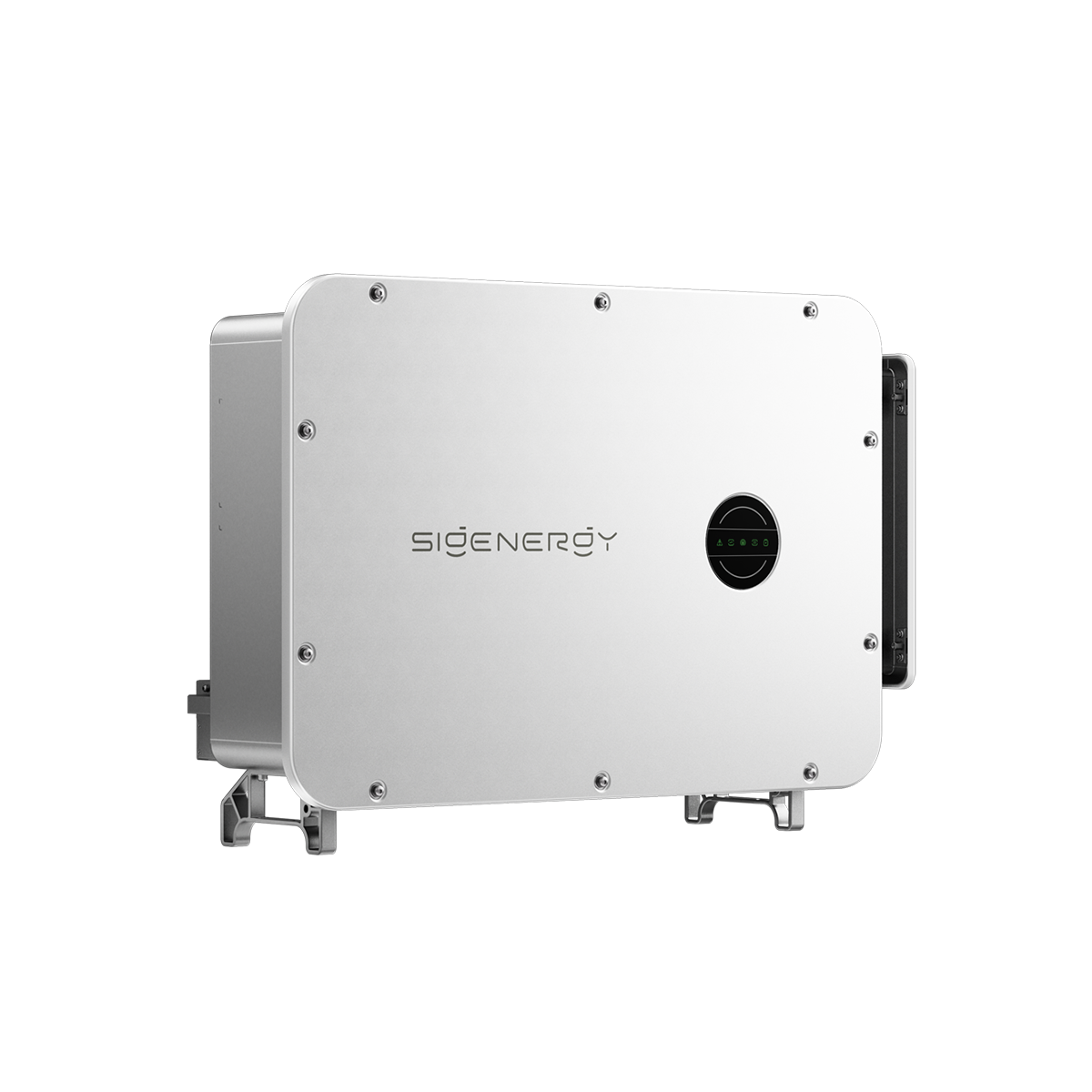
Sigen PV M1 hybrid inverter
A three-phase commercial hybrid inverter from 50 kW to 125 kW, ready for a SigenStack battery. Four MPPT on the 50 kW model and eight on the larger ones, IP66. This series has no backup port: for backup, see the PV M1 hybrid inverter with backup.
From $6,721 including GST
Sigen PV M1 hybrid inverter with backup
The HYB version of the commercial hybrid inverter: 50 kW to 110 kW, three phase, with a backup load port and seamless switchover so the site keeps running on and off grid, ready for a SigenStack battery. Up to eight MPPT, IP66.
From $10,990 including GST
Sigen PV M1 solar inverter
A three-phase commercial solar inverter from 50 kW to 125 kW, for solar without a battery. Four MPPT on the 50 kW model and eight on the larger ones, IP66.
From $5,534 including GST
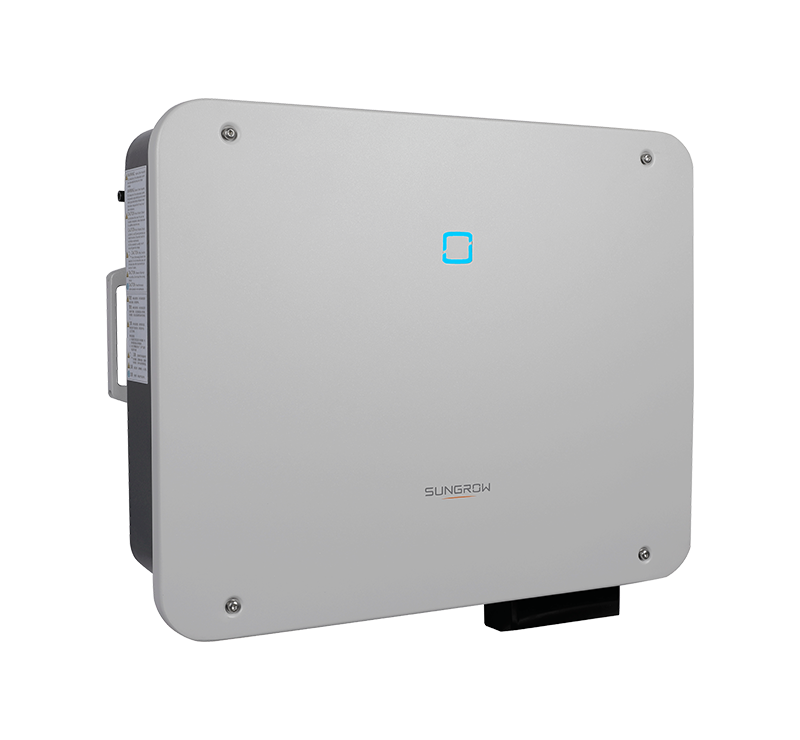
Sungrow SG CX commercial solar inverter
Sungrow's three-phase commercial string inverters from 30 kW to 110 kW, with Wi-Fi and a built-in DC switch. Four MPPT on the 30 and 50 kW models and twelve on the 110 kW.
From $4,469 including GST
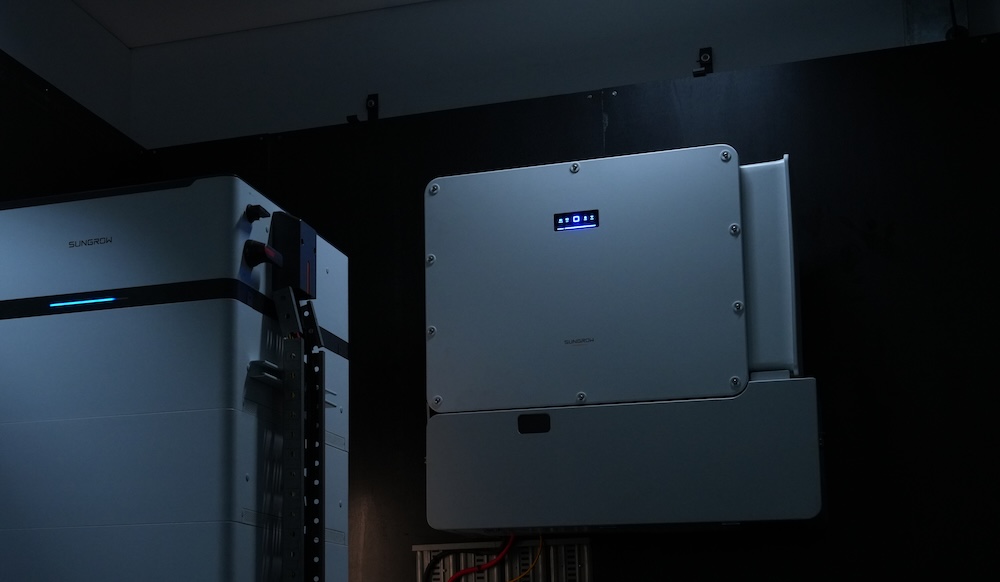
Sungrow SH110CX commercial hybrid inverter
A 110 kW three-phase commercial hybrid inverter from Sungrow with ten MPPT and a built-in DC switch, for business sites that pair solar with a battery.
From $12,643 including GST
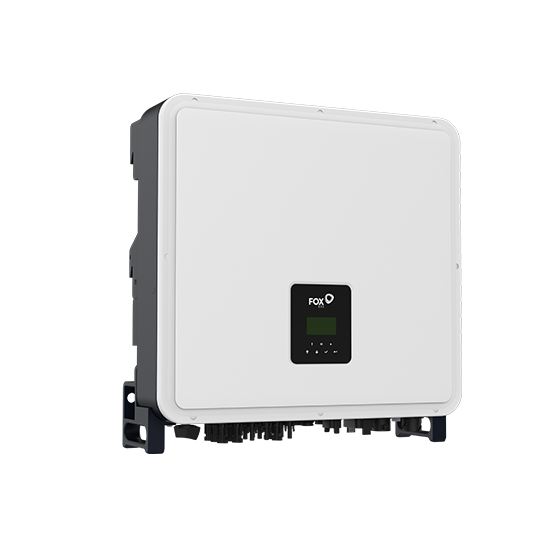
FoxESS H3-Pro three-phase hybrid
FoxESS's larger three-phase hybrid inverter, 15 to 29.9 kW, with three MPPT, Wi-Fi and a smart meter with six CTs in the box.
From $3,161 including GST
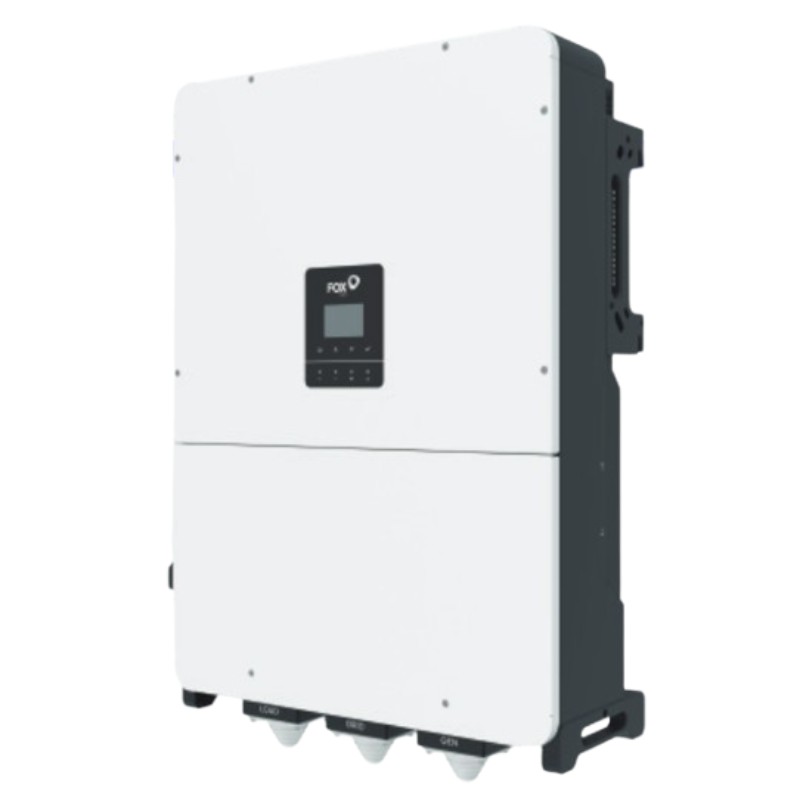
FoxESS H3-Plus commercial hybrid
FoxESS's commercial three-phase hybrid inverter from 50 kW to 100 kW, supplied with Wi-Fi, a meter and three 600 A Rogowski-coil CTs.
From $7,473 including GST
GoodWe GT 110 kW commercial solar inverter
A 110 kW three-phase commercial string inverter from GoodWe with ten MPPT.
From $7,047 including GST
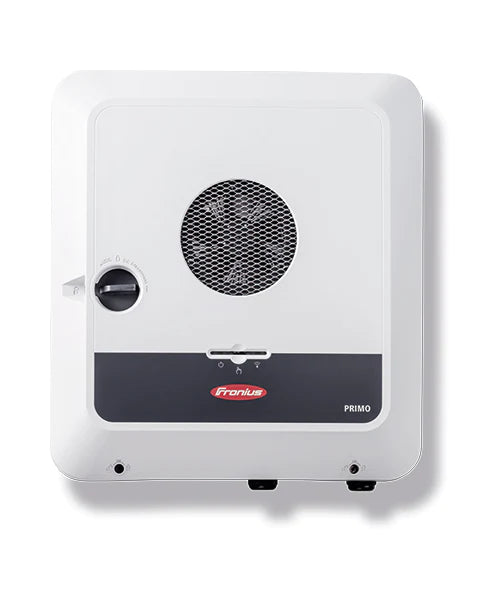
Fronius Primo GEN24 inverter
Fronius's single-phase GEN24 inverter from 3 kW to 10 kW with two MPPT. The SC versions are listed beside the standard ones.
From $1,869 including GST
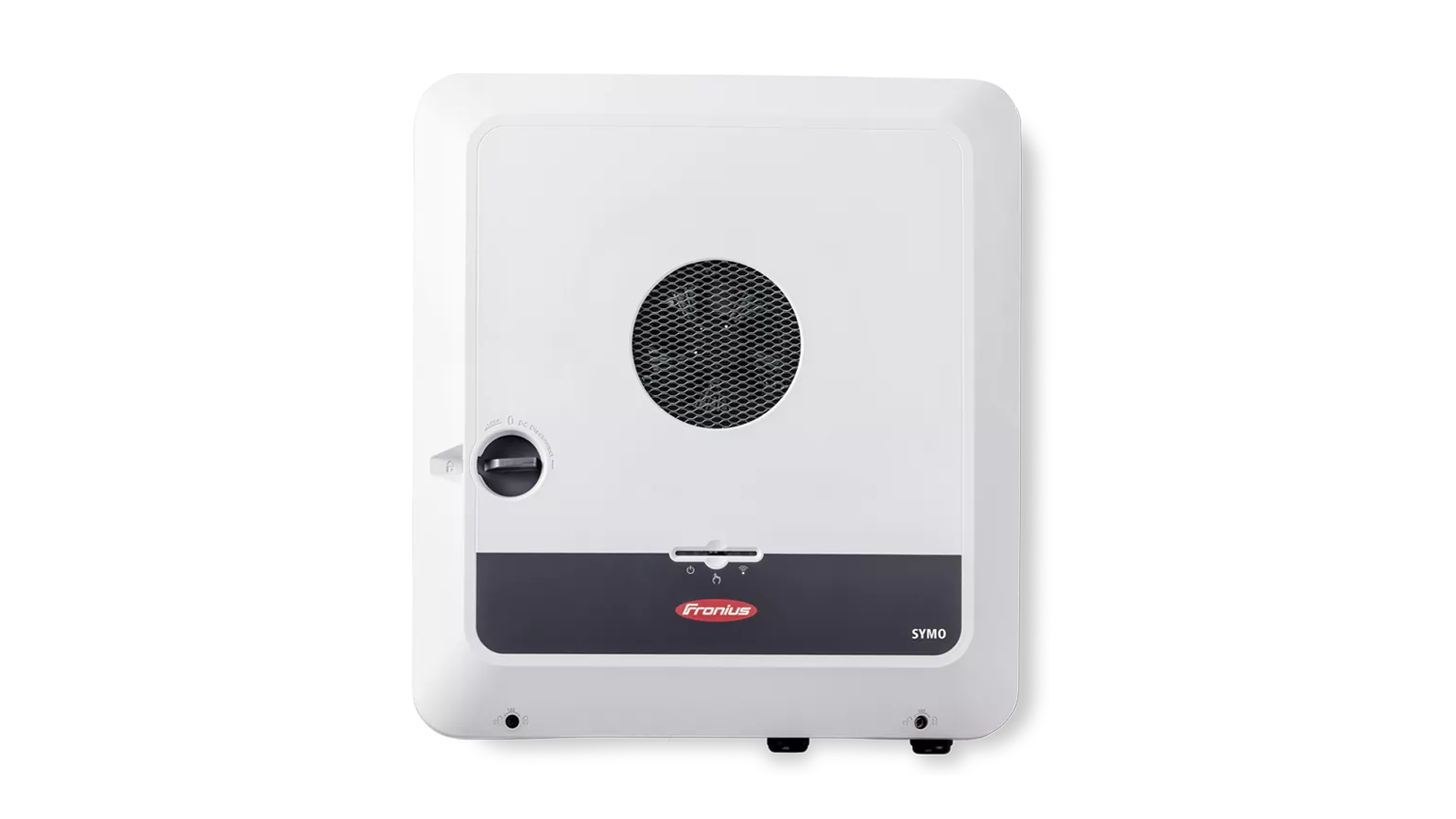
Fronius Symo GEN24 inverter
Fronius's three-phase GEN24 inverter from 5 kW to 12 kW with two MPPT. The SC versions are listed beside the standard ones.
From $2,487 including GST
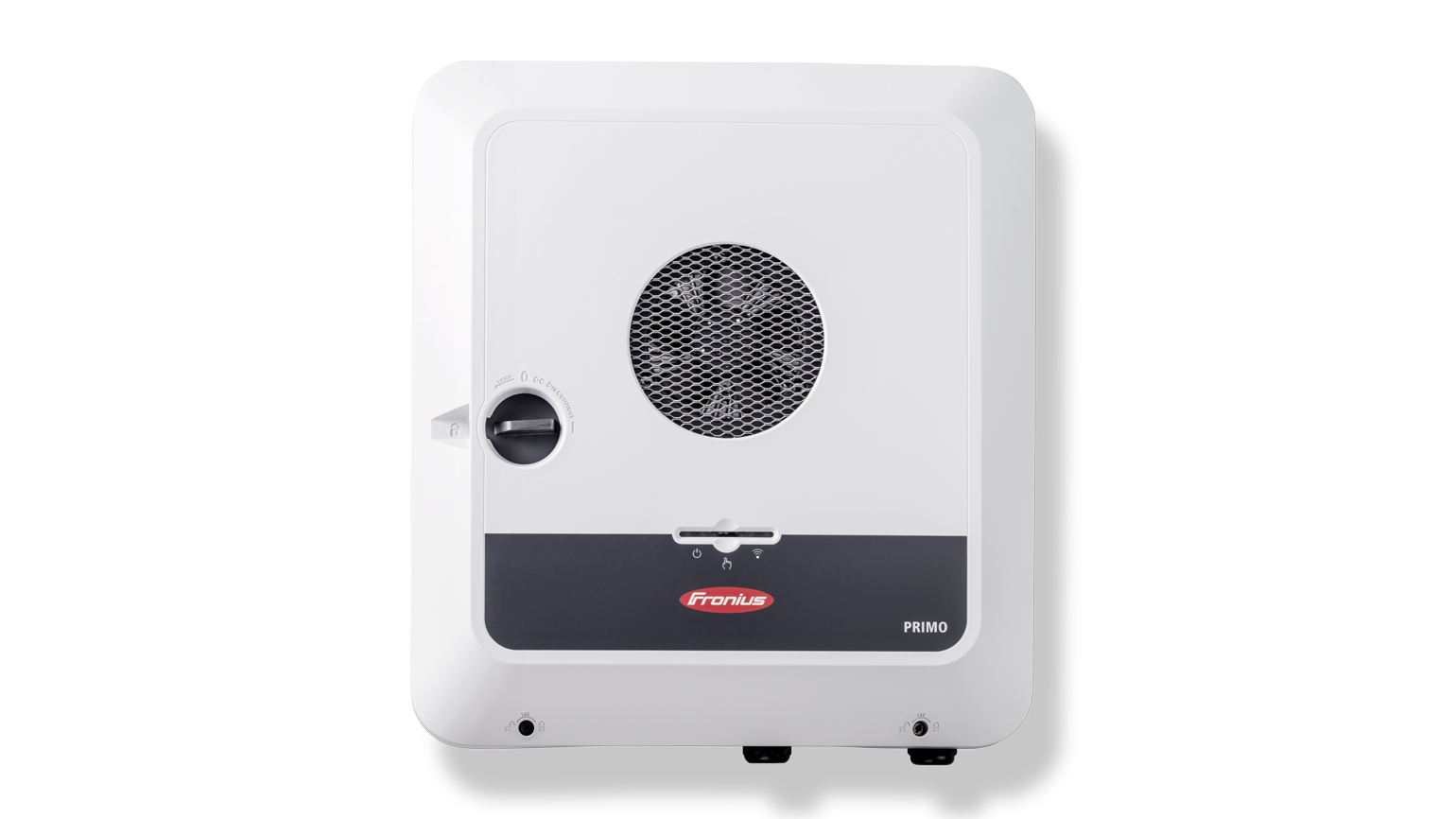
Fronius Primo GEN24 Plus hybrid inverter
The Plus version of Fronius's single-phase GEN24 inverter, 5 kW to 10 kW with two MPPT, for homes adding a battery.
From $3,147 including GST
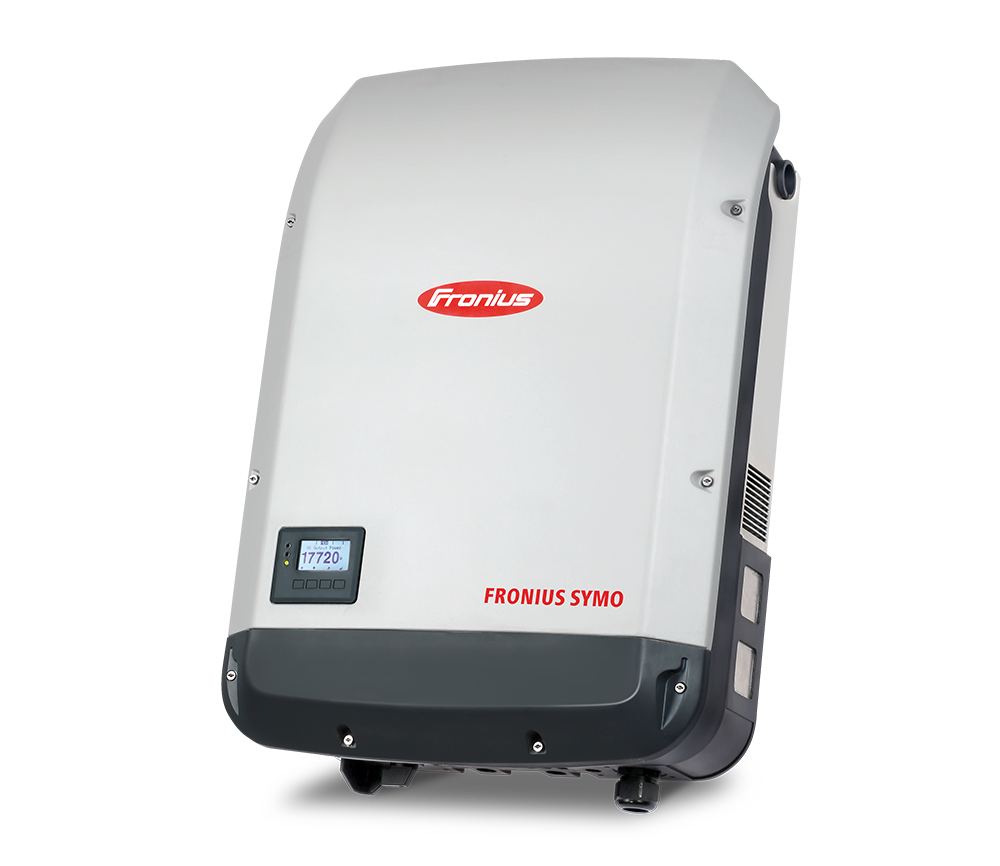
Fronius Symo GEN24 Plus hybrid inverter
The Plus version of Fronius's three-phase GEN24 inverter, 5 kW to 12 kW with two MPPT, for homes adding a battery.
From $3,505 including GST
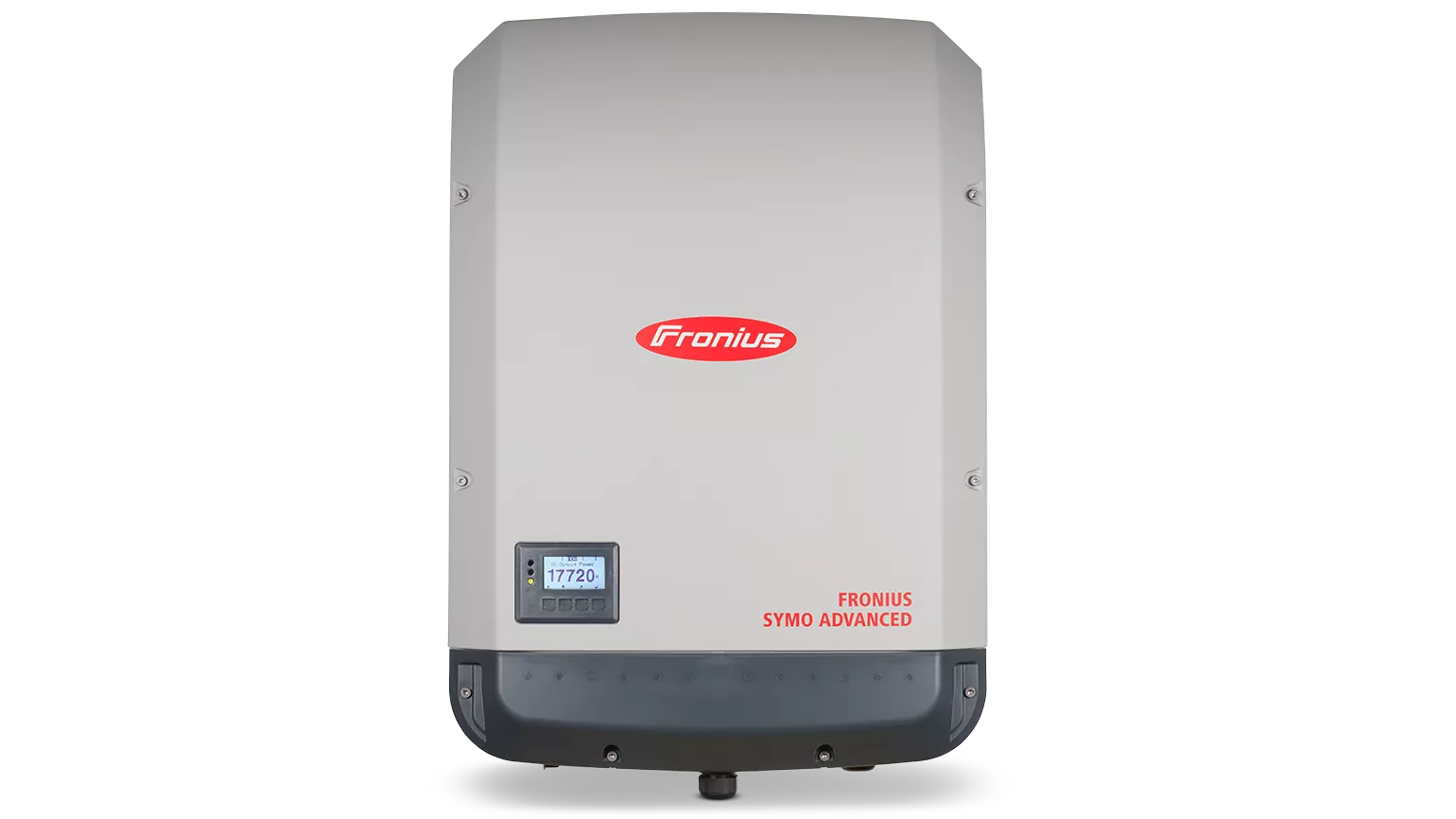
Fronius Symo three-phase solar inverter
Fronius's three-phase solar inverter: the Symo at 5 and 8.2 kW and the Symo Advanced from 10 kW to 20 kW, each with two MPPT.
From $1,265 including GST
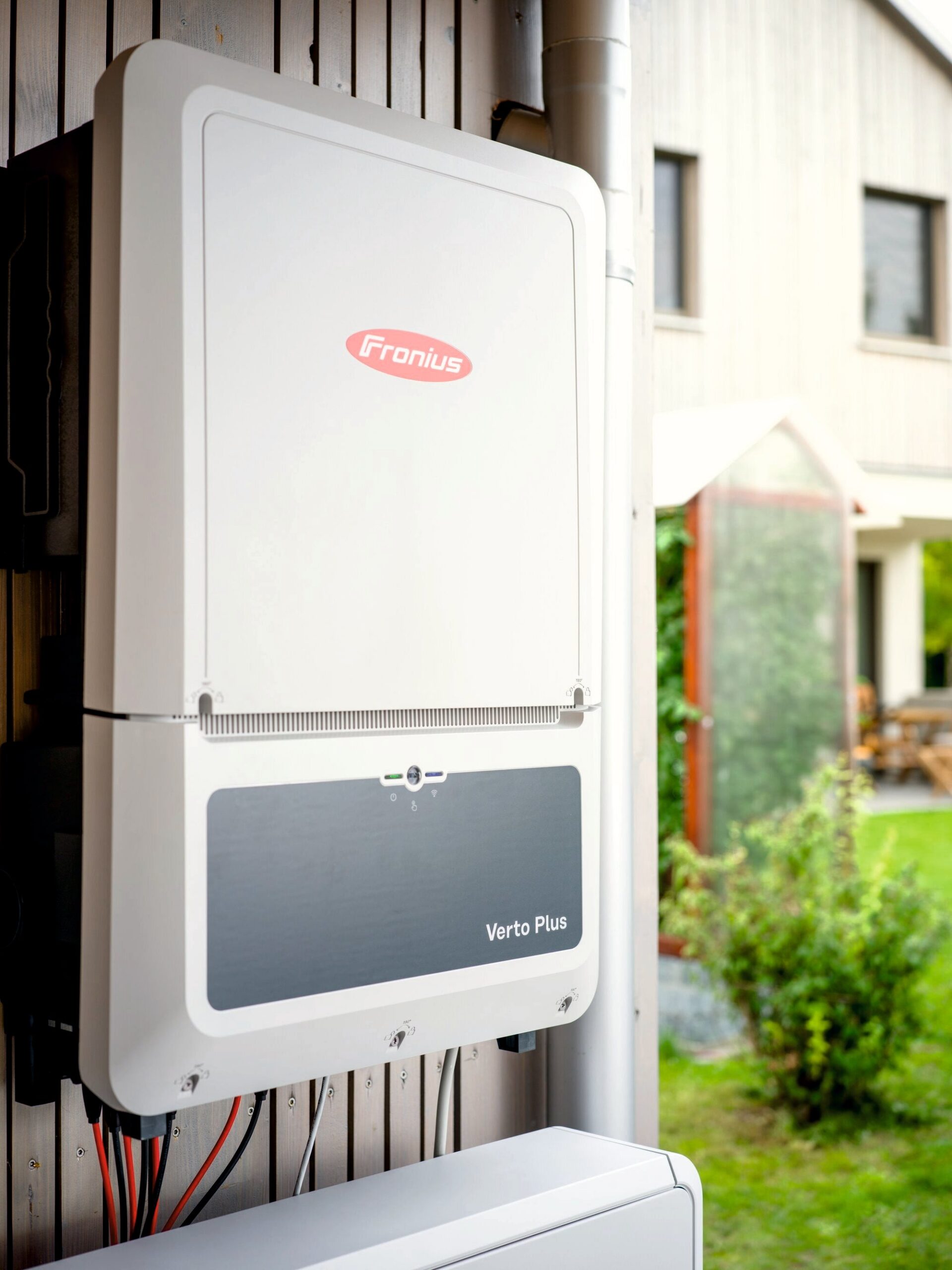
Fronius Verto three-phase solar inverter
Fronius's three-phase Verto inverter from 15 kW to 33.3 kW, with three MPPT up to 25 kW and four from 27 kW, for large homes and businesses.
From $4,943 including GST
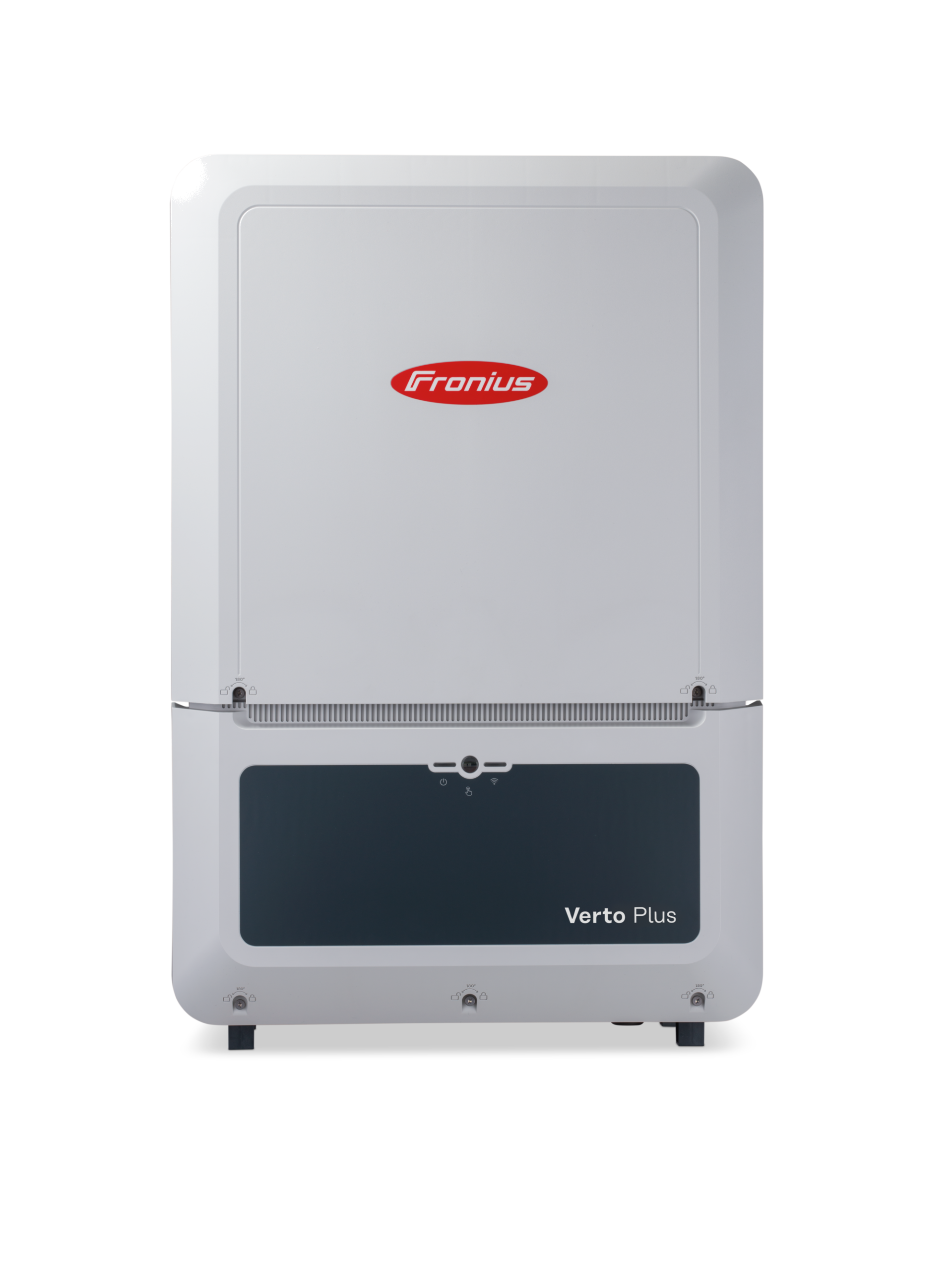
Fronius Verto Plus hybrid inverter
The Plus version of Fronius's three-phase Verto inverter, 15 kW to 33.3 kW with three MPPT, for large homes and businesses adding a battery.
From $6,599 including GST
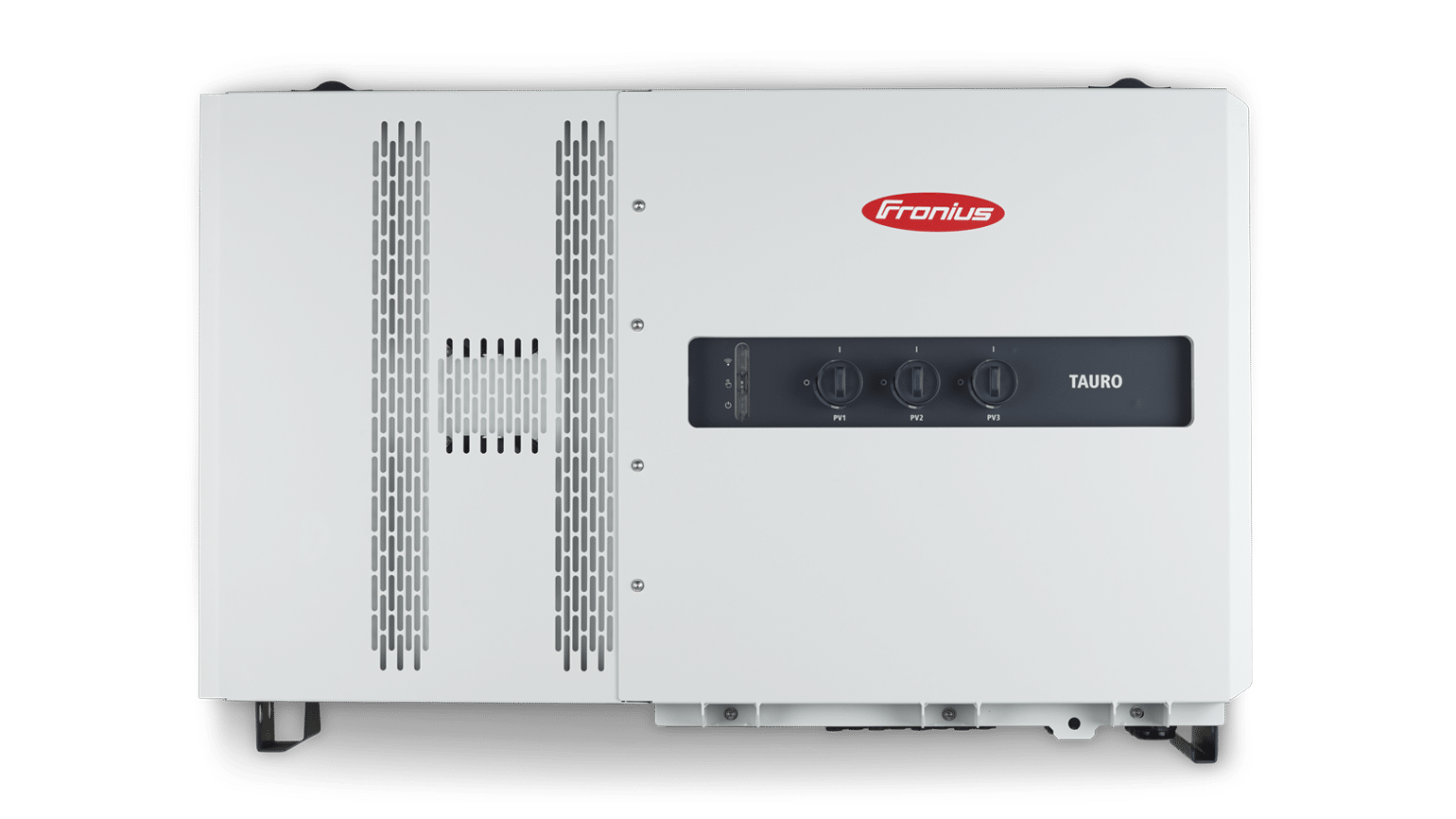
Fronius Tauro ECO commercial solar inverter
Fronius's commercial Tauro ECO Direct inverter at 50 kW and 100 kW, three phase with one MPPT and 30 A fuses.
From $8,386 including GST
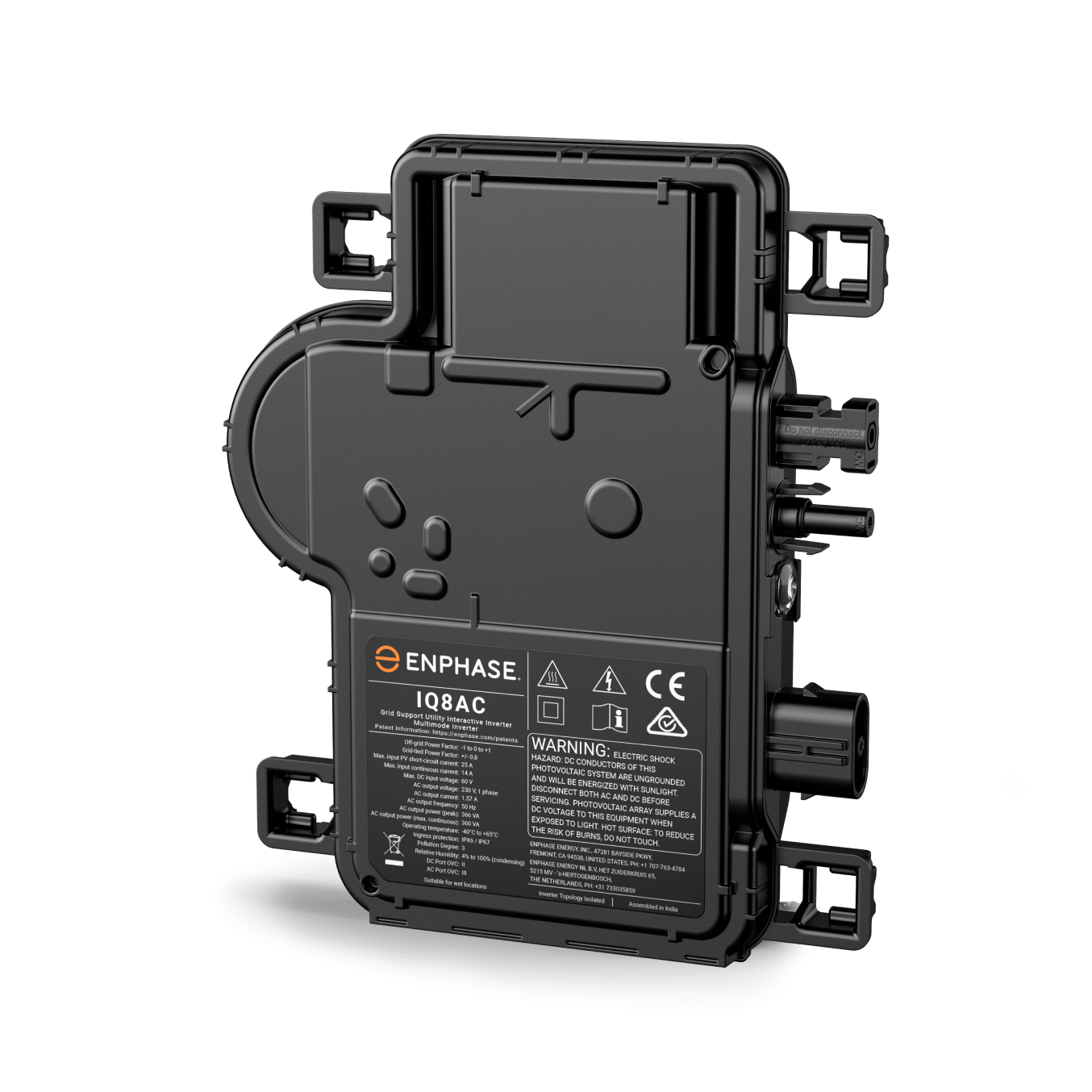
Enphase IQ8AC microinverter
Enphase's IQ8AC microinverter, one under each panel, rated at 360 W with an integrated MC4 DC connector. Priced each.
From $213 including GST
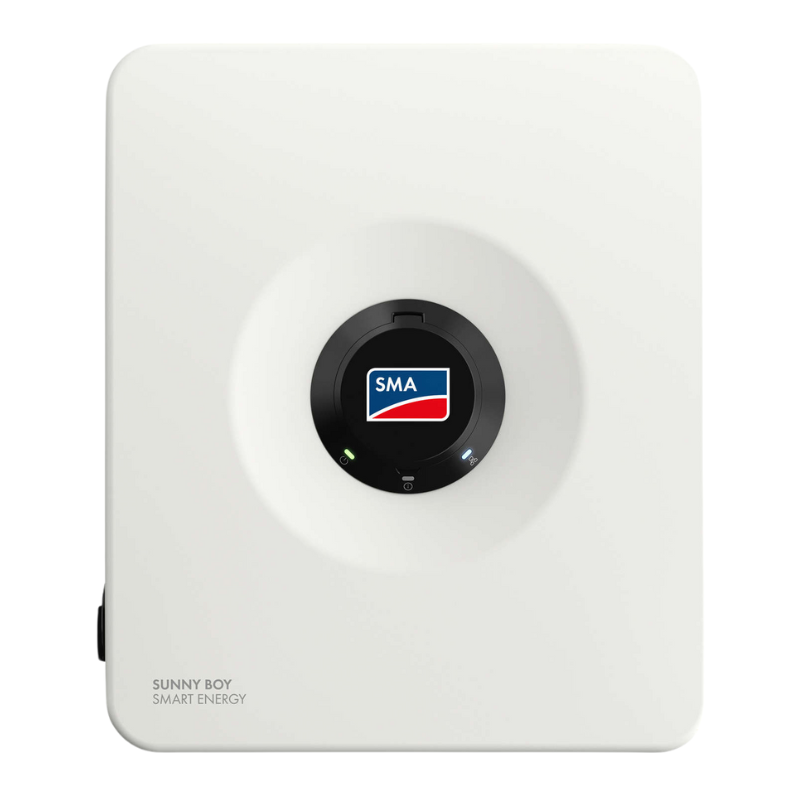
SMA Sunny Boy Smart Energy hybrid inverter
SMA's single-phase hybrid inverter at 5 kW and 6 kW with three MPPT.
From $3,092 including GST
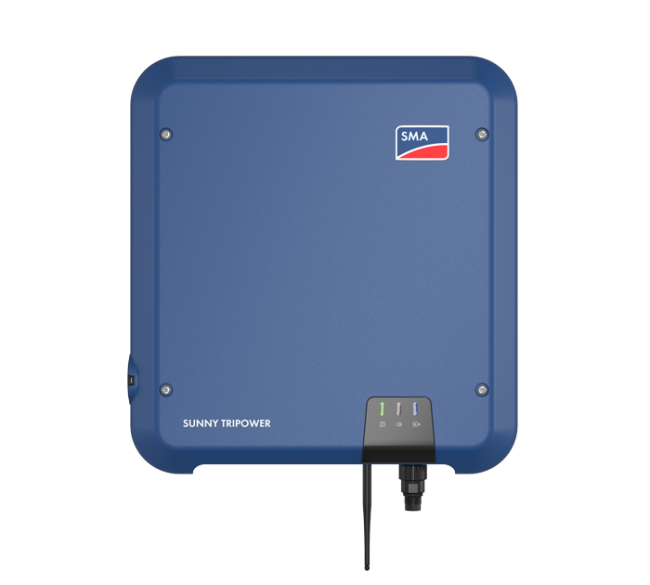
SMA Sunny Tripower solar inverter
SMA's three-phase solar inverter at 6 kW and 8 kW with two MPPT.
From $2,131 including GST
WHAT YOU ARE ACTUALLY BUYING
What is included, and what is not.
Included as standard
- A documented load assessment built from your own list, not from a rule of thumb
- Array, mounting, battery, inverter charger, protection and all the DC and AC electrical work
- Generator integration and automatic start where a generator is part of the design
- System monitoring, remote where there is reception
- Commissioning, compliance documentation and a handover covering what to do when things go wrong
- A written statement of what the system is designed to carry, and what it is not
What can add to it
We look for every one of these before quoting. Anything that applies is priced in writing before you commit.
- Civil works, trenching, ground mount footings and access tracks
- The generator itself, where you are supplying your own
- Structural work to sheds or outbuildings so they can carry an array
- Load shifting work on the property, such as replacing a resistive hot water system
- Satellite or radio links for monitoring where there is no mobile reception
What counts as a standard job
There is no standard off grid job, which is the point. Every system is quoted against a documented load list and a stated autonomy, so you can see exactly what you are buying and what it was designed to do. We would rather spend a day on the load assessment than sell you a system that disappoints in its first winter.
WHAT YOU CAN ACTUALLY CLAIM
Rebates, and who they are for.
Rebates change often and most of them have conditions that decide whether you qualify. These are the ones that apply here, with the catch stated rather than buried.
ACT
Small-scale certificates for the solar
The panels in a standalone system still earn small-scale certificates, deducted from the price up front.
ACT
Cheaper Home Batteries for the storage
The federal battery discount can apply off grid, and the requirement to be capable of joining a virtual power plant does not apply to sites more than a kilometre from the grid. The usual conditions still do: between 5 and 100 kilowatt hours, one per premises, and the banded rate that drops above 14 kilowatt hours of usable capacity.
NSW
The same two federal programs
Small-scale certificates for the solar and the federal battery discount for the storage apply on the NSW side of the border on the same terms.
NSW
Home Energy Saver
Zero interest loans of up to 15,000 dollars cover solar, batteries and switchboard work for households with a combined income up to 210,000 dollars, which can help fund a standalone build.
Rebate information last checked 20 September 2026. We confirm what you qualify for, in writing, before anything is ordered.
HOW IT ACTUALLY GOES
From first call to switched on.
- 1
The load list
We go through the property appliance by appliance, including the things that only run in summer or only when the shed is in use.
- 2
The design case
Winter generation for your location, the autonomy you want, and the generator's role if there is one.
- 3
A documented design and price
Array, storage, inverter charger, protection and generator integration, with the design assumptions written down so you can hold us to them.
- 4
Site works and delivery
Ground mount or roof, cable routes, battery enclosure and access.
- 5
Install and commissioning
Built and commissioned to AS/NZS 4509 and AS/NZS 5139, with the generator start logic tested rather than assumed.
- 6
Handover and monitoring
You finish knowing what the system carries, what it does not, and what to do at two in the morning when something beeps.
THE QUESTIONS WE GET ASKED
Straight answers.
Is off grid cheaper than connecting?
Sometimes, and the way to find out is to get the connection quote first. A long rural extension can run well past the cost of a complete standalone system, and the standalone system has no daily supply charge behind it.
Do I still need a generator?
Most systems keep one. Sizing storage to cover the very worst week of the year is far more expensive than letting a generator cover the last couple of days. Properly integrated, it will run rarely.
Can I run everything I run now?
Usually, but some things are worth changing. Resistive electric hot water and resistive heating are brutal on an off grid system, and moving them to a heat pump or another fuel is often cheaper than sizing the system around them.
What happens if it breaks?
Remote monitoring usually means we know before you call. The design conversation covers what is on the shelf, what can be bypassed, and how long a part takes to reach you, because those answers matter more off grid than anywhere else.
Can I go off grid in the suburbs?
You can, but it is rarely the right call. If the grid is already at the boundary, the connection is the cheapest backup you will ever own. A battery with backup gets you most of what people want from off grid, without the cost of designing for the worst week of winter.
Have a block with no power at the boundary?
Send us the connection quote and a rough idea of what the property has to run. We will tell you honestly which way the numbers point before we design anything.
Where people usually go next
 4.8132
 4.7157
Prices on this website are for the ACT and within 35 km of Canberra. Further out, the same system usually costs 15–30% more for travel, time away and the extended warranty responsibility that comes with distance. We confirm the final price before you commit to anything.