
COMMERCIAL SOLAR AND STORAGE IN THE ACT AND NSW
A system sized on your load profile and your tariff, not on your roof area.
Commercial solar lives or dies on the match between generation and consumption, and on what your tariff charges you for demand. We work from interval data and your actual network tariff, so the business case in front of you is one you can take to a board rather than a brochure.
- Small-scale cap rising
- 100 kW to 1 MW
- What sizes the system
- Your interval data
- NSW business batteries
- From 1 September 2026
- Before the design
- Lease and metering
the small-scale certificate cap expands from 1 October 2026, with applications opening later in the year
daytime load and demand charges, not the size of the roof
new incentives covering systems from 20 kilowatt hours upwards
who owns the roof, who pays the bill, and who keeps the asset
WHO WE WORK WITH
Built for the way your business uses power.
Warehouses and logistics
Big, flat roofs and daytime loads: forklifts, refrigeration, lighting. The classic commercial solar fit.
Manufacturing and workshops
Machinery runs when the sun is up. Three-phase supply, demand charges, and roofs that need a structural check before anything goes on them.
Offices and medical
Air conditioning, computers and lighting from nine to five. Strata and lease questions come first: who owns the roof and who pays the bill.
Retail, hospitality and clubs
Refrigeration and cooling seven days a week, often with evening trade where a battery earns its place.
Schools, childcare and community
Weekday daytime use, quiet holidays, and export limits that shape the design. Grant and procurement paperwork handled.
Farms and rural business
Sheds, pumps, cool rooms and dairies, often on single-phase or SWER lines. Ground-mount arrays and batteries where the roof or the network says no.
Body corporate and strata
Shared roofs, common-area meters and embedded networks. We map who benefits before we design.
WHAT WE DO FOR BUSINESS
From the roof to the fleet, one team.
Rooftop solar
Tilt or flush arrays on metal deck, concrete and membrane roofs, engineered for wind and weight, with the network application done for you.
Ground-mount and carpark canopies
When the roof is small, shaded or the wrong shape: ground arrays on farm and industrial land, and solar canopies that shade a carpark while they generate.
Commercial batteries
Storage sized to your tariff: shave demand charges, shift cheap solar into the evening, and keep critical loads running through an outage.
More ↗EV charging for fleets and staff
AC chargers for the car park and DC chargers for fleets, with load management so the site never trips its supply.
More ↗Hot water and electrification
Heat pump hot water and the switch away from gas, timed to run on your own solar.
More ↗Monitoring, maintenance and cleaning
Live generation monitoring, fault alerts, periodic inspections and panel cleaning, so the system keeps earning for twenty-five years.
WHAT ACTUALLY DECIDES IT
The things that shape your design.
Your interval data
Commercial sizing is an arithmetic problem and the data already exists. Half hourly consumption for twelve months tells us how much generation you will actually consume, which is what decides the return.
Your network tariff and demand charges
Many commercial tariffs charge for your peak demand as well as your energy. Solar shaves energy reliably and demand only sometimes. A battery can do both. Which one earns its keep depends entirely on your tariff.
The roof, the structure and the fixings
Purlin spacing, sheet type, membrane roofs, and whether the structure can carry the array under local wind loading. On commercial buildings this is an engineering question with a report attached.
Certificates, and which scheme you are in
Systems up to the small-scale cap create certificates up front. Larger systems create large-scale certificates over time instead. From 1 October 2026 the small-scale cap rises from 100 kilowatts to 1 megawatt, which changes the arithmetic on mid sized systems considerably.
Who owns the roof and who pays the bill
Leased premises, strata, and landlord versus tenant metering all change the structure before they change the design. It is worth sorting the commercial question before the technical one.
Downtime and access
Most commercial installs happen around your operating hours. Switchboard work means an outage, and that gets scheduled rather than sprung on you.
Worth knowing before you compare quotes
Ask for the business case to be built from your own interval data and your own tariff, and ask what self consumption rate it assumes. A payback calculated on the assumption that you use every kilowatt hour you generate is a payback that will not happen. Ask too who owns the system at the end, what the operations and maintenance arrangement is over ten years, and what happens to the roof warranty.
RATED FOR COMMERCIAL WORK
The equipment we install on business roofs.
Only the products we rate for commercial jobs: three-phase inverters, large-format panels, storage that scales and chargers built for fleets. Every one has its own page with real specifications. Commercial pricing is quoted for the site, not listed.
Solar panels 9

AIKO Neostar 3P54
The AIKO Neostar 3P54 490 W uses back-contact cells, so there are no metal lines on the front and the panel looks clean with a black frame. At 24.5% efficiency it fits 490 W into a standard 1762 x 1134 mm size.
$219 From $209 including GST Save 5%
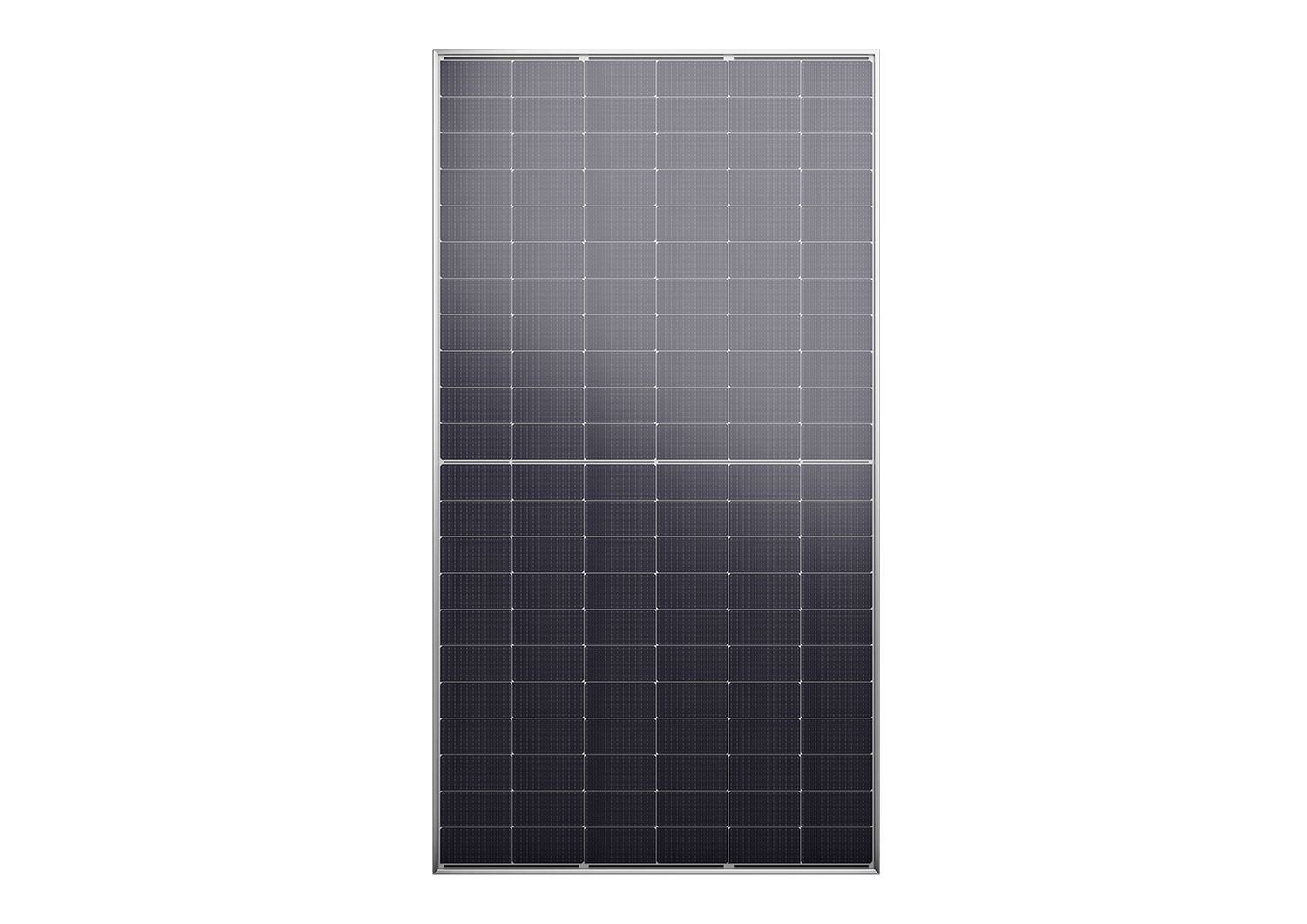
Jinko Tiger Neo 595 W bifacial
A large-format 595 W N-type TOPCon panel with glass on both sides, so it can add output from light reflected onto its back. It is bigger and heavier than a typical home panel, with a 12-year product warranty and a 30-year performance warranty.
From $152 including GST
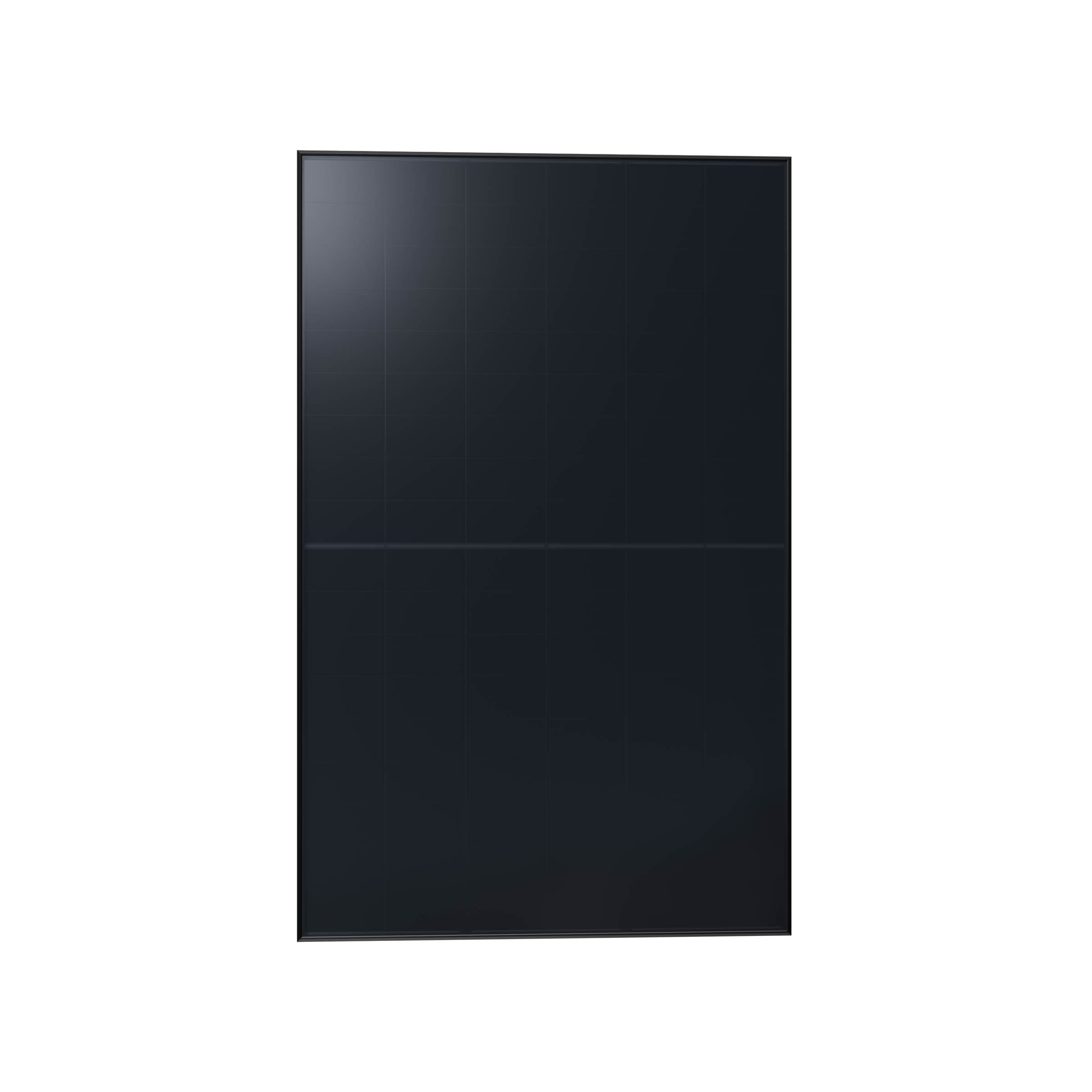
WINAICO WBC Ultra Black
A 485 W all-black panel with glass on both sides, using N-type back-contact cells, so there are no metal lines on the front. It carries a 30-year product warranty and a 30-year performance warranty from WINAICO's Sydney-based Australian company.
$275 From $213 including GST Save 23%
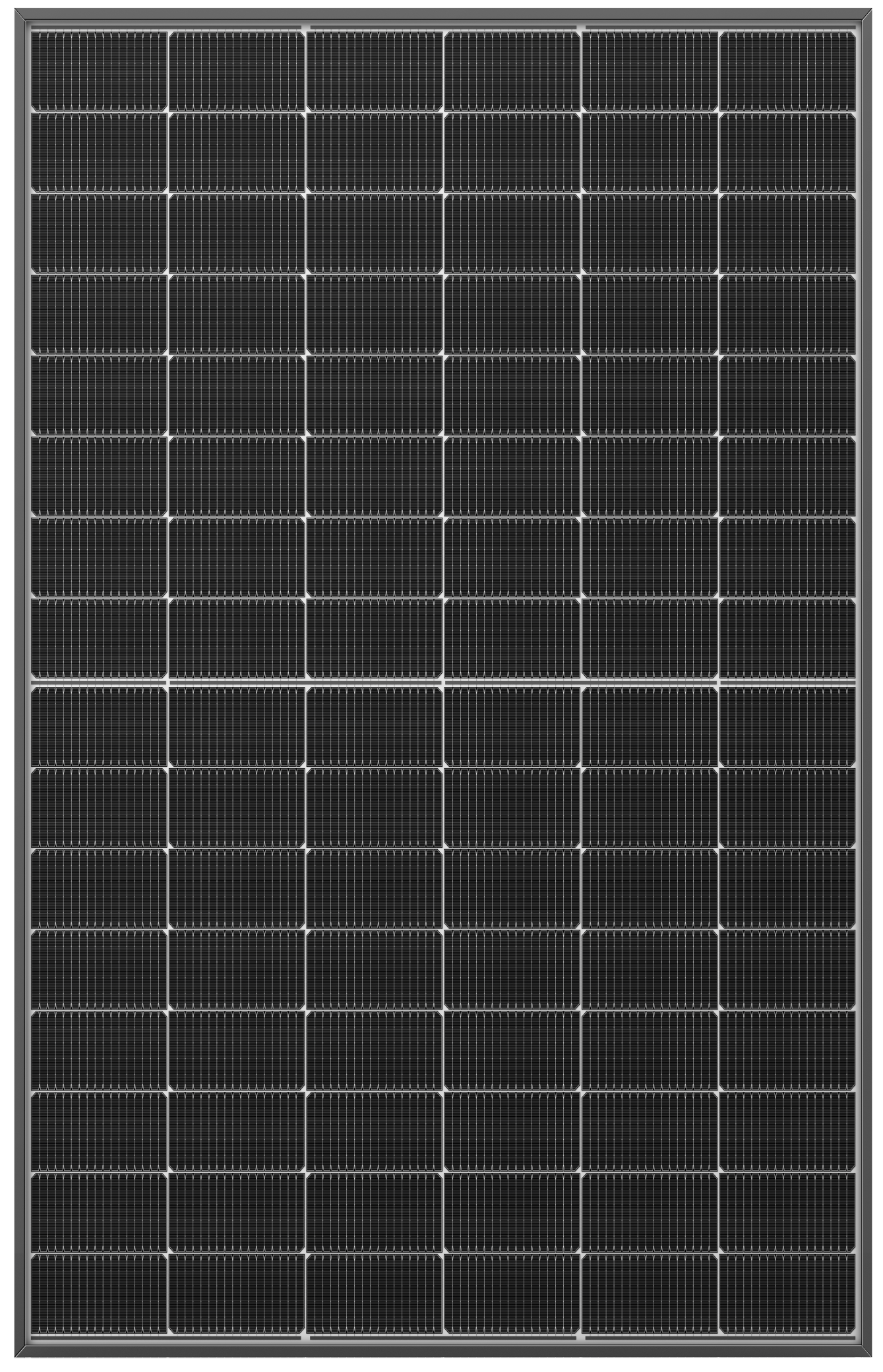
Risen N-type TOPCon 475 W
A 475 W N-type TOPCon panel with glass on both sides and a black frame, in a standard 1762 x 1134 mm home size. It can gain some output from its rear side, with a 25-year product warranty for rooftop installs and a 30-year performance warranty from Risen's Australian company.
$147 From $118 including GST Save 20%
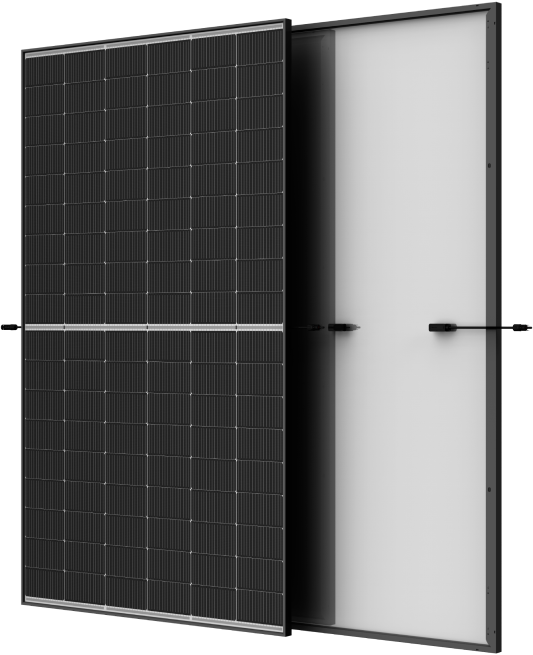
Trina Vertex S+ dual-glass panel
Trina's Vertex S+ N-type dual-glass home panel from 450 W to 515 W, 30 mm frame, with a 25-year warranty. All-black, black-frame and silver-frame versions.
From $155 including GST
Trina Vertex S+ G3 dual-glass panel
The third-generation Trina Vertex S+ N-type dual-glass panel at 505 W and 510 W, black frame, with a 15-year warranty.
From $191 including GST
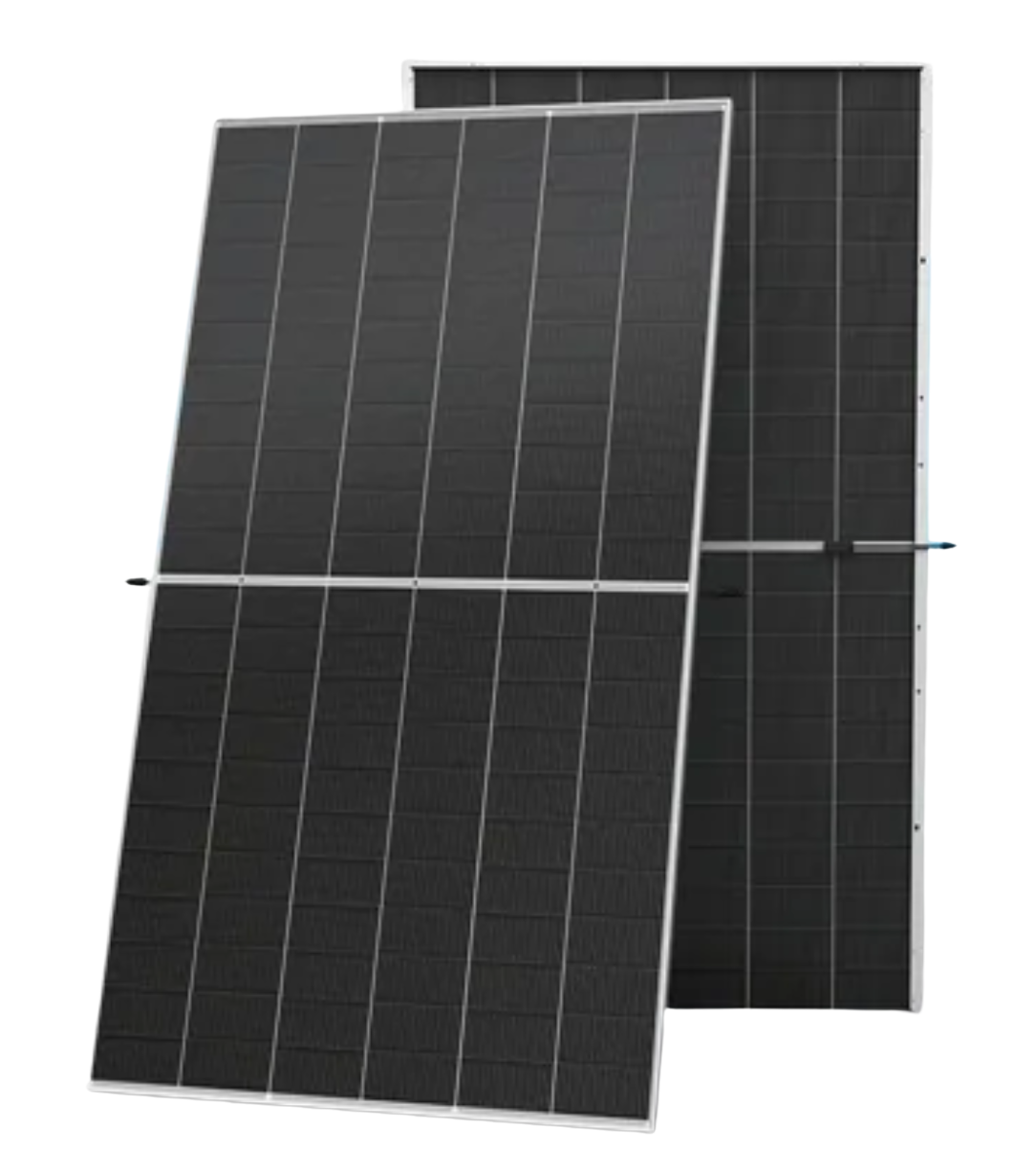
Trina Vertex N commercial panel
Trina's large-format Vertex N i-TOPCon panel at 620 W to 630 W, silver frame, with a 12-year warranty, for commercial roofs and ground mounts.
From $195 including GST
Trina Vertex 575 W commercial panel
Trina's 575 W Vertex PERC panel with a silver 30 mm frame, for commercial roofs and ground mounts.
From $150 including GST
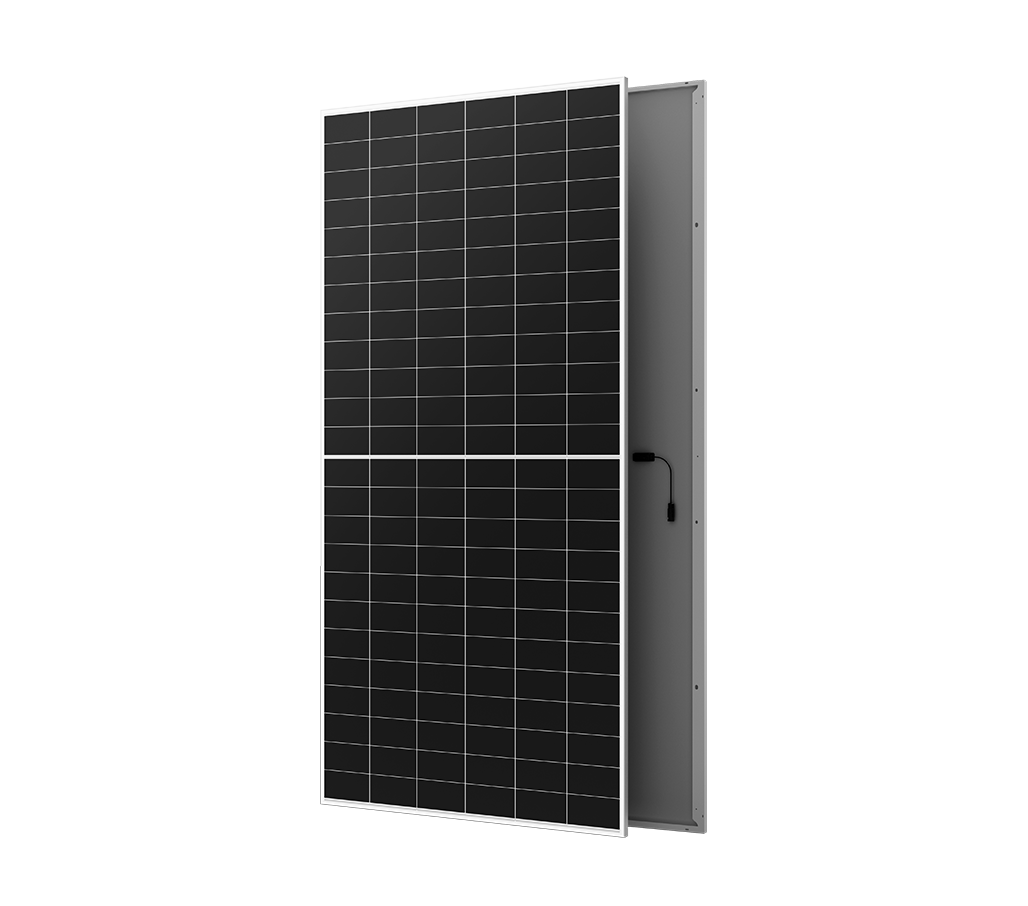
AIKO Comet commercial panel
AIKO's large-format back-contact (ABC) Comet panel from 650 W to 675 W, silver frame, with a 15-year warranty, for commercial roofs and ground mounts.
From $206 including GST
Battery storage 11
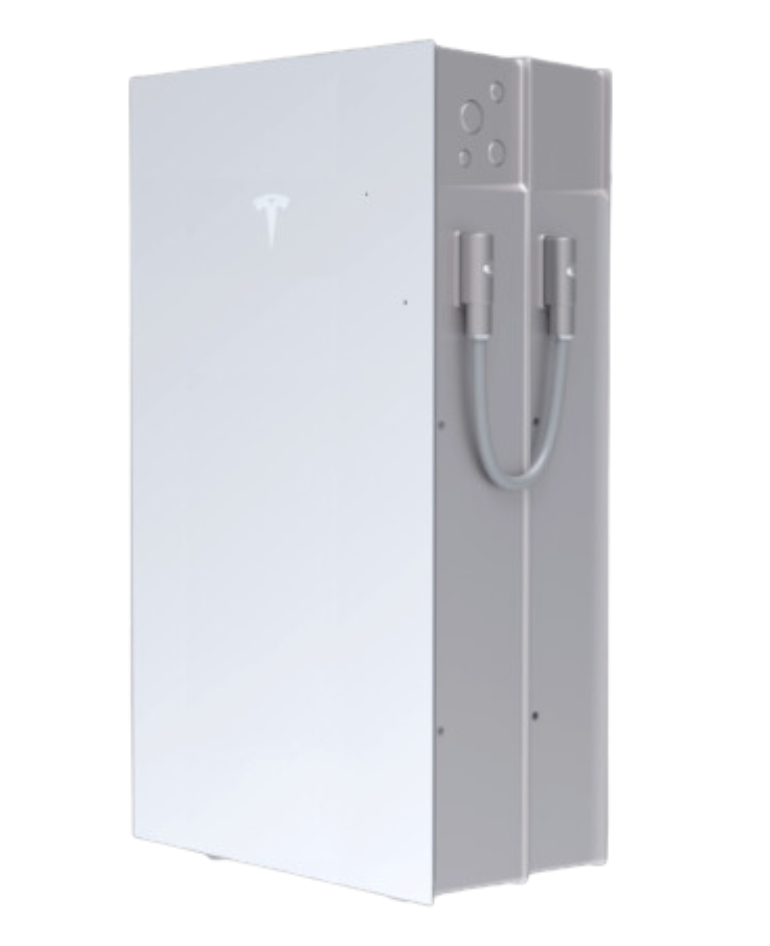
Powerwall 3 Expansion
An extra 13.5 kWh battery that connects to an existing Powerwall 3 through a harness, floor-stacked behind it or wall mounted. It only works with Powerwall 3, up to three per unit.
From $7,893 including GST
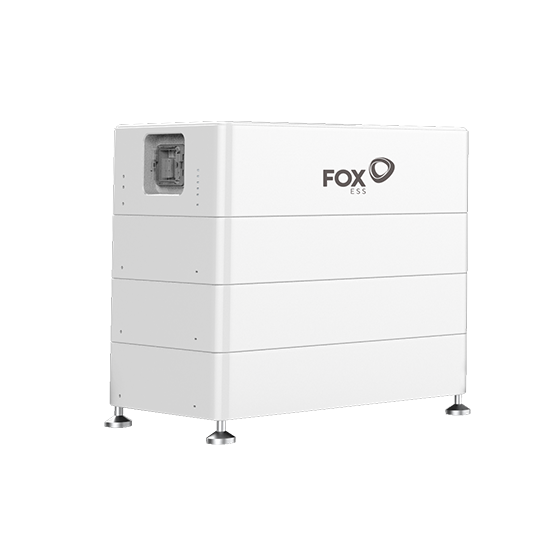
FoxESS CQ7 battery
The CQ7 is FoxESS's modular high-voltage LFP stack, built from 6.96 kWh modules. These configurations range from 27.84 to 48.72 kWh and include the warm-up function for cold mornings.
From $9,070 including GST
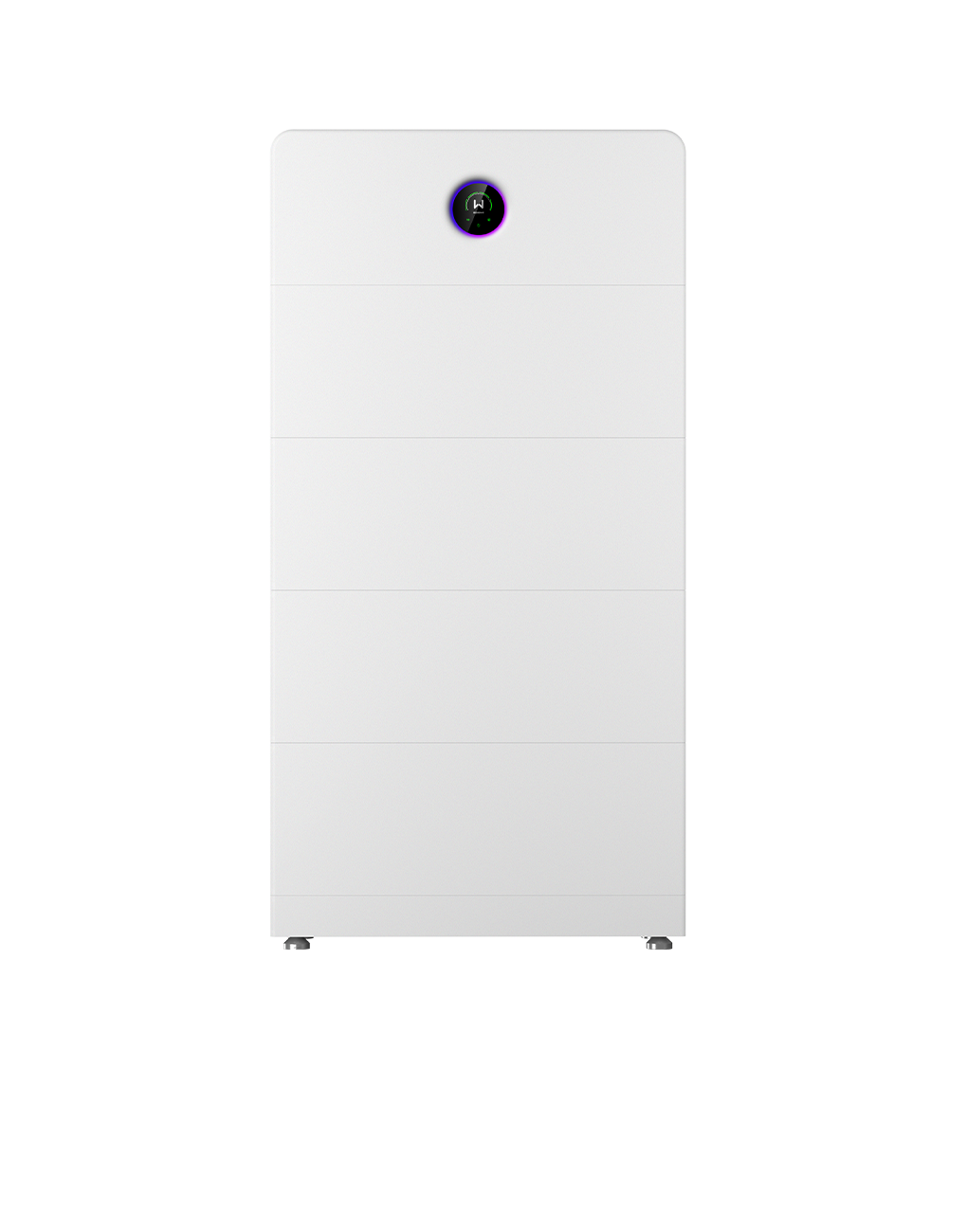
GoodWe ESA
GoodWe ESA is a stackable all-in-one battery system: a GoodWe inverter with battery modules pre-wired above it. It can back up the whole home without a separate gateway, in single-phase and three-phase sizes.
Tesla Powerwall 3P
Tesla's announced three-phase Powerwall option. Tesla says Australian availability and launch pricing are not yet available.
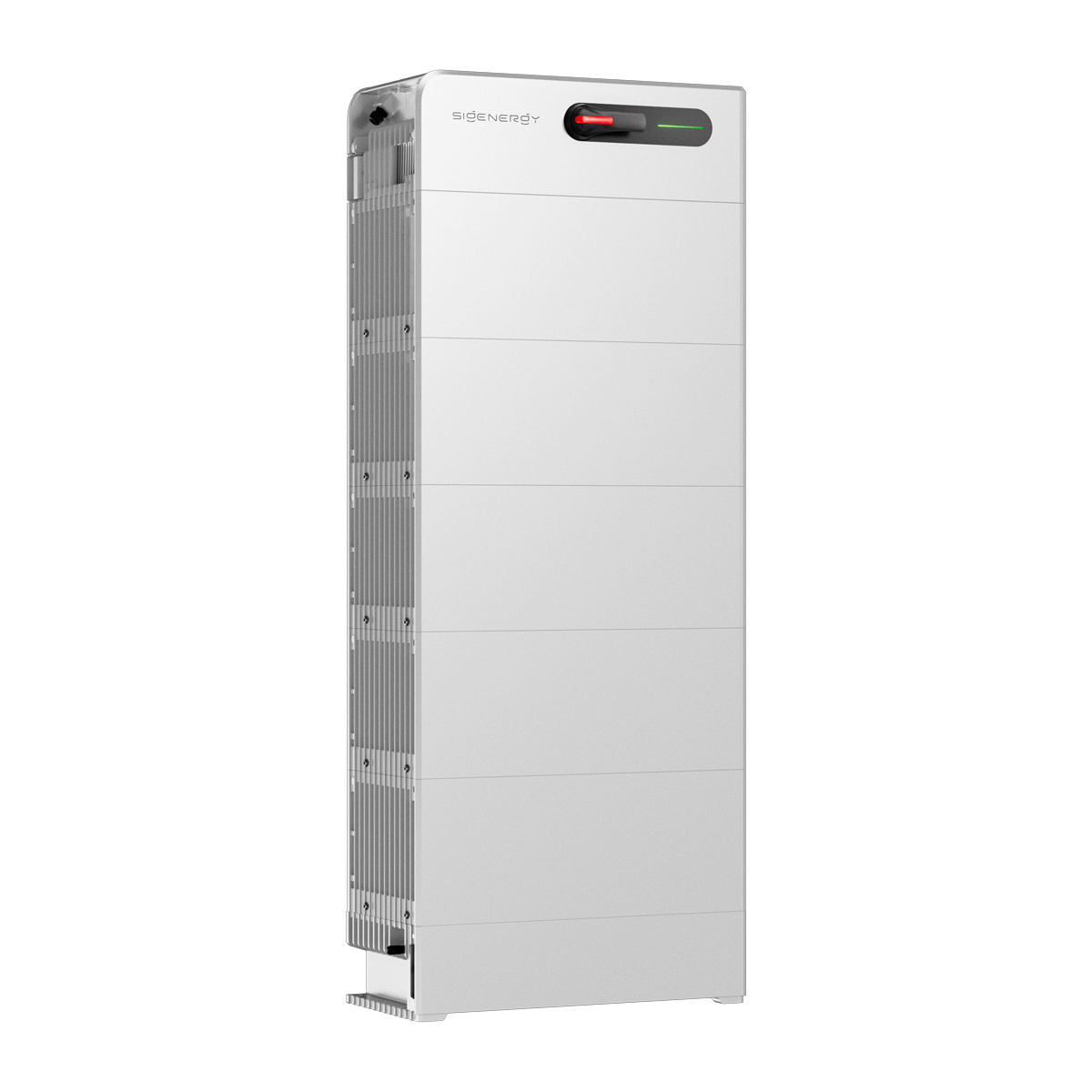
Sigenergy SigenStack commercial battery
Sigenergy's commercial battery, built as a stack: SigenStack BAT 12.0 modules (12.06 kWh each) on a split-mounted main and sub base, run by a SigenStack battery controller, with a cover and the controller cables. It pairs with a Sigen PV M1 hybrid inverter (the HYB series for backup). Two configurations are listed: eight modules on a 1C controller (96.48 kWh usable) and Sigenergy's nine-module 0.5C configuration (108.54 kWh usable, 0.46C with a 50 kW inverter). We design every site, and other configurations are quoted to suit.
From $56,117 including GST
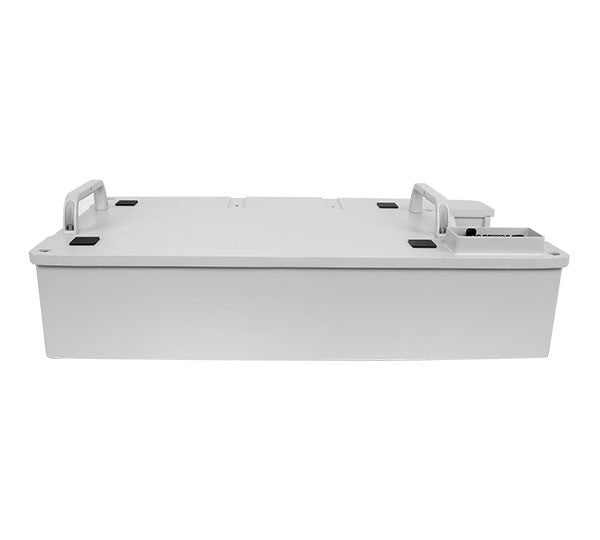
Sungrow SBR battery
Sungrow's high-voltage home battery built from 3.2 kWh modules: three to eight modules on one base, 9.6 kWh to 25.6 kWh usable. Each size includes the base, cover and switchgear.
From $4,876 including GST
Sungrow SBH battery
Sungrow's larger-module home battery built from 5 kWh modules: two to eight modules on one base, 10 kWh to 40 kWh usable. Each size includes the base, cover and switchgear.
From $5,086 including GST
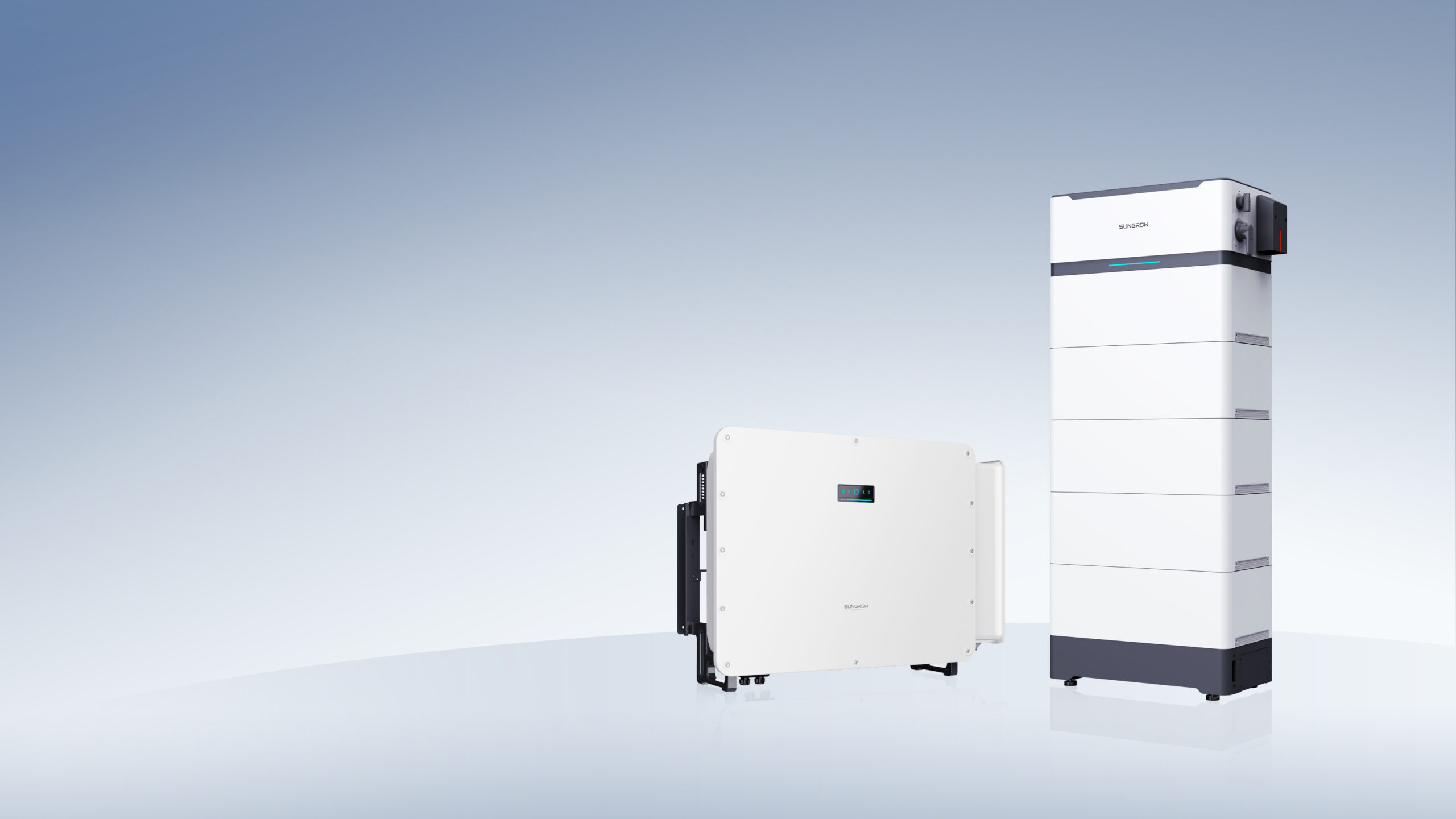
Sungrow PowerKeeper commercial battery
Sungrow's modular commercial and industrial battery from 49.9 kWh to 249.6 kWh, built from 12.48 kWh packs.
From $27,713 including GST
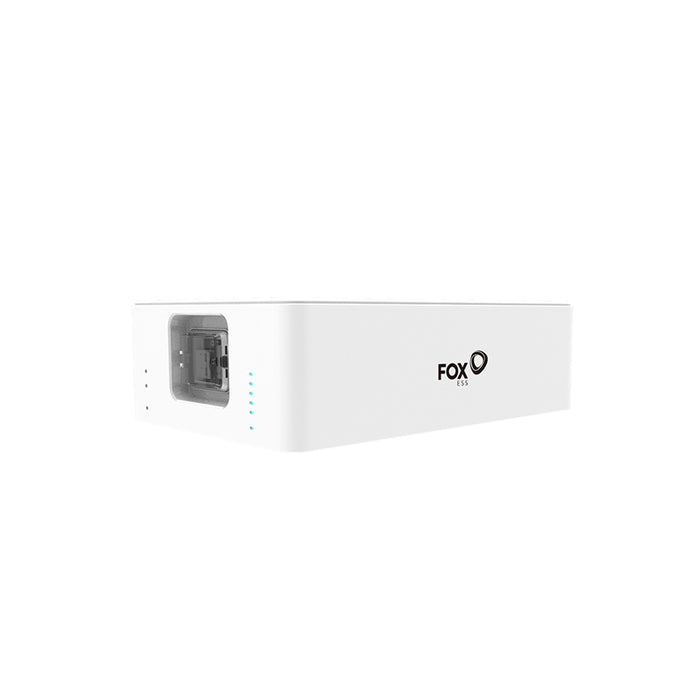
FoxESS EQ4800 battery
FoxESS's home battery built from 4.66 kWh modules: one master and one to eight slaves, 9.32 kWh to 41.93 kWh.
From $2,885 including GST
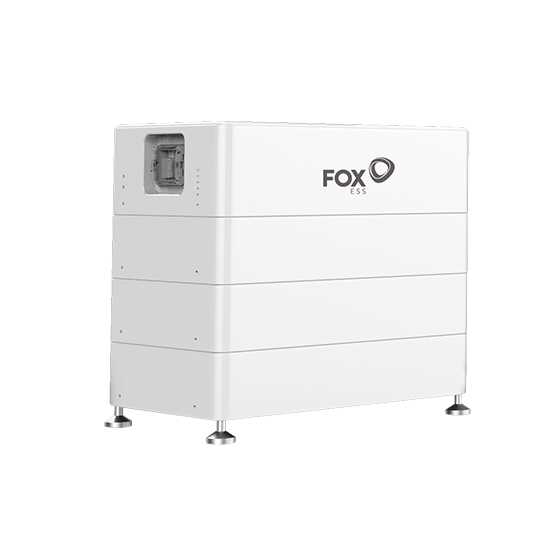
FoxESS CQ6 battery
FoxESS's home battery built from 5.99 kWh modules: one master and one to five slaves, 11.98 kWh to 35.94 kWh.
From $3,847 including GST
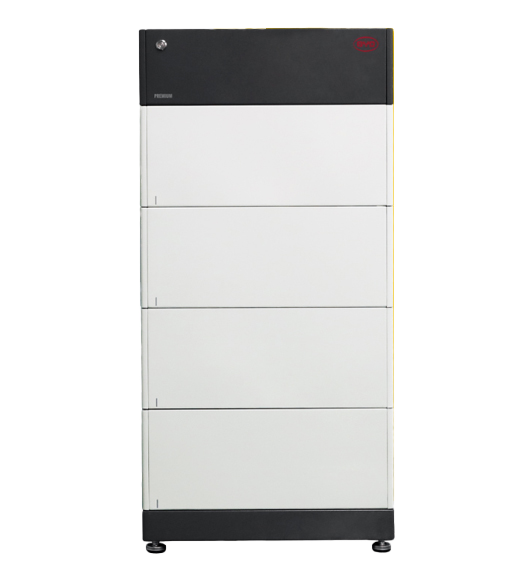
BYD Battery-Box Premium HVM
BYD's high-voltage home battery built from 2.76 kWh modules: three to eight modules, 8.28 kWh to 22.08 kWh usable. Each size includes the BCU and base.
From $5,840 including GST
Inverters 29
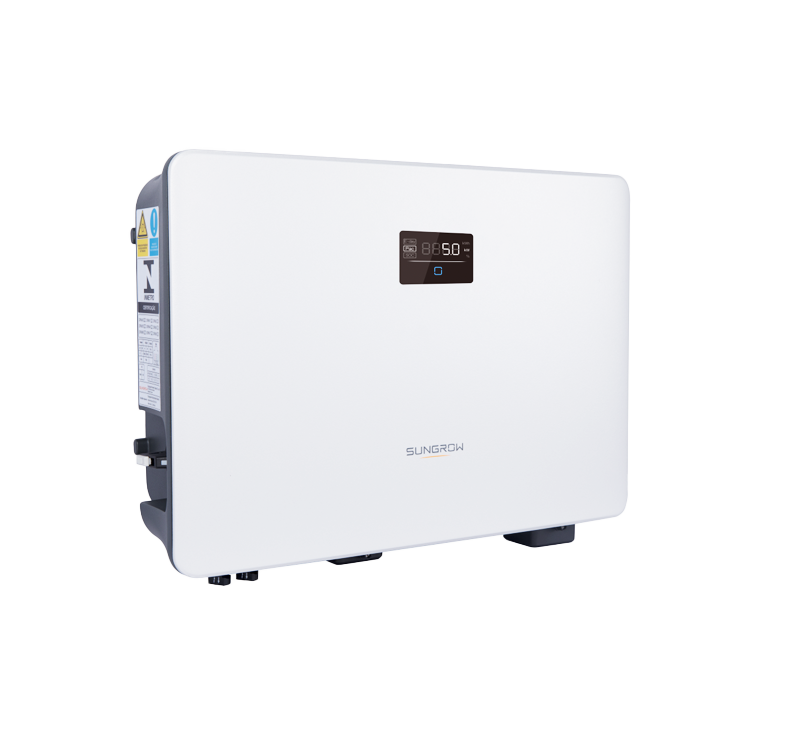
Sungrow SH-RS hybrid inverter
A single-phase inverter that runs your solar panels and a Sungrow high-voltage battery from one box, switching to backup in under 10 milliseconds when the grid drops. The 8 and 10 kW models add a 63 A bypass for whole-home backup.
From $2,399 including GST
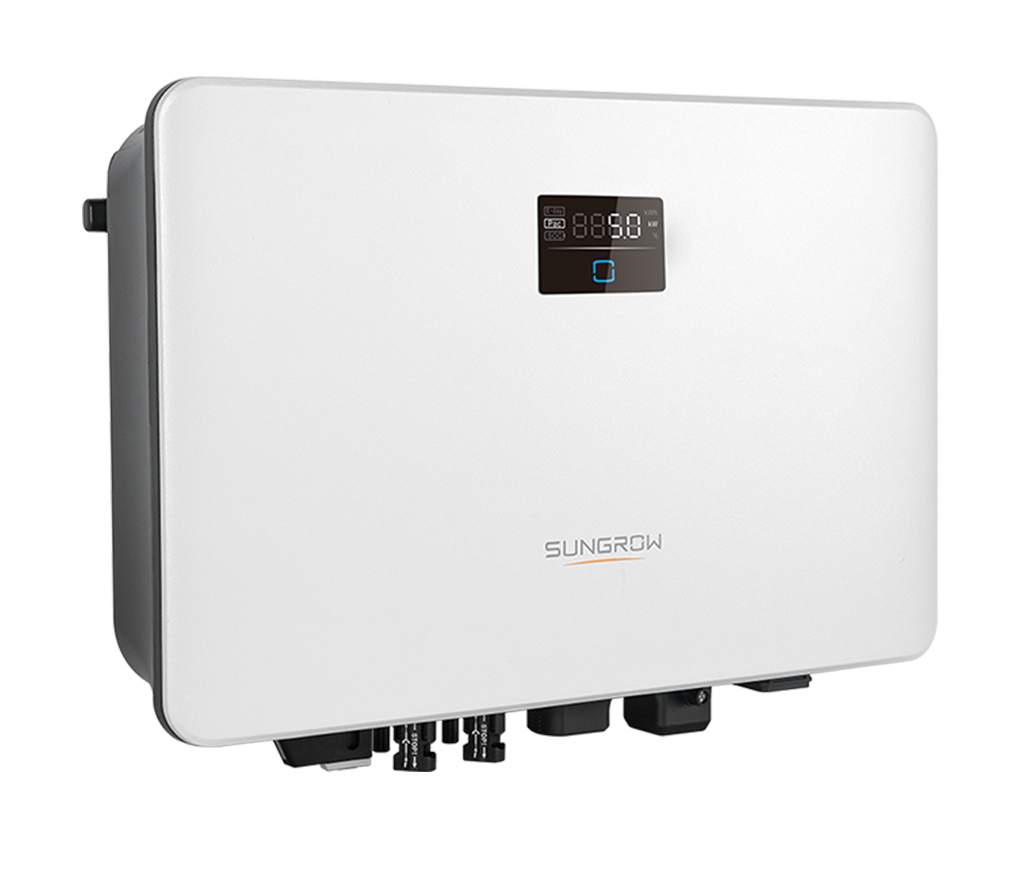
Sungrow SG-RS solar inverter
A single-phase solar-only inverter that turns your panels' power into household power. It has three separate panel inputs, so it handles roofs where panels face different directions, but it has no battery connection.
From $956 including GST
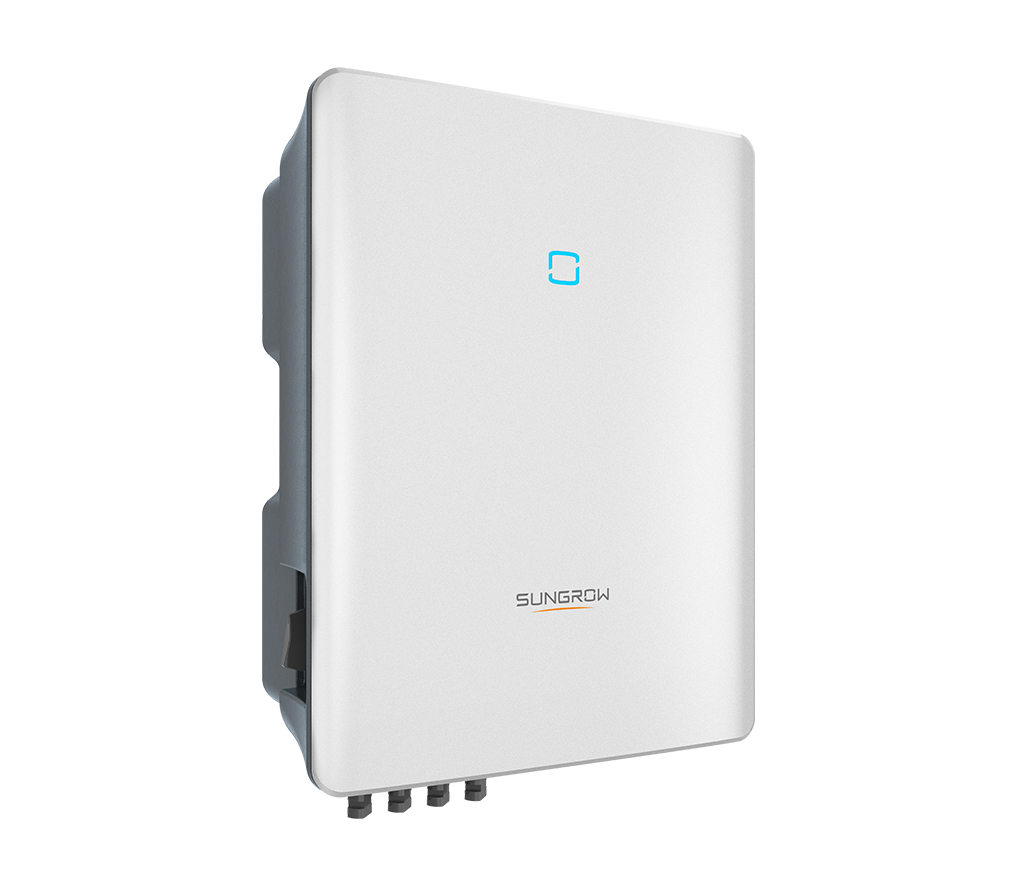
Sungrow SG-RT three-phase solar inverter
A compact three-phase solar-only inverter that spreads output evenly across all three phases. At 18 kg it is light, with two panel inputs and no battery connection.
From $1,781 including GST
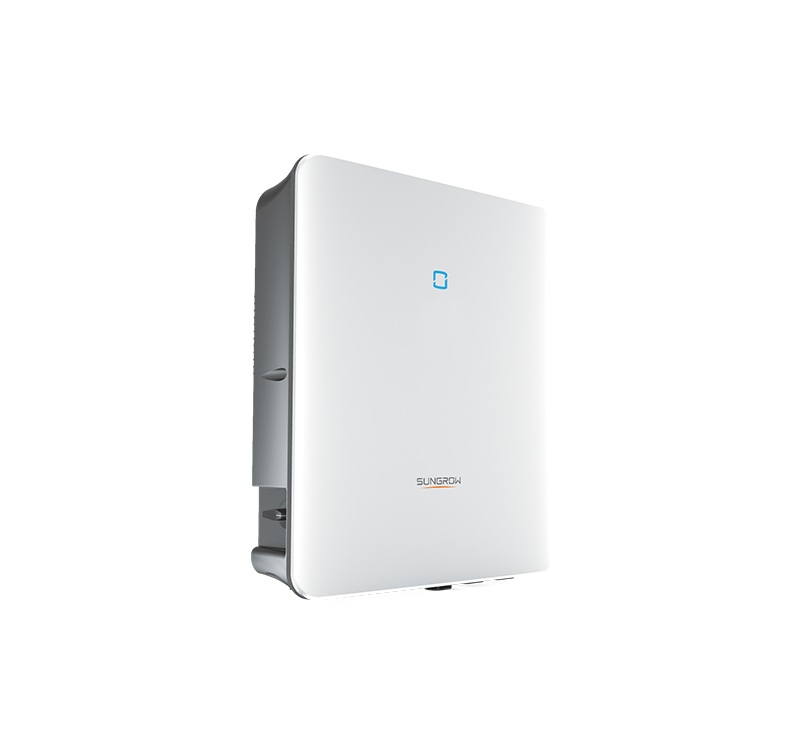
Sungrow SH10RT three-phase hybrid
A quiet three-phase hybrid that manages solar, a Sungrow battery and a backup circuit for essential loads. In an outage it keeps backed-up circuits running on all three phases, including unbalanced loads.
From $4,114 including GST
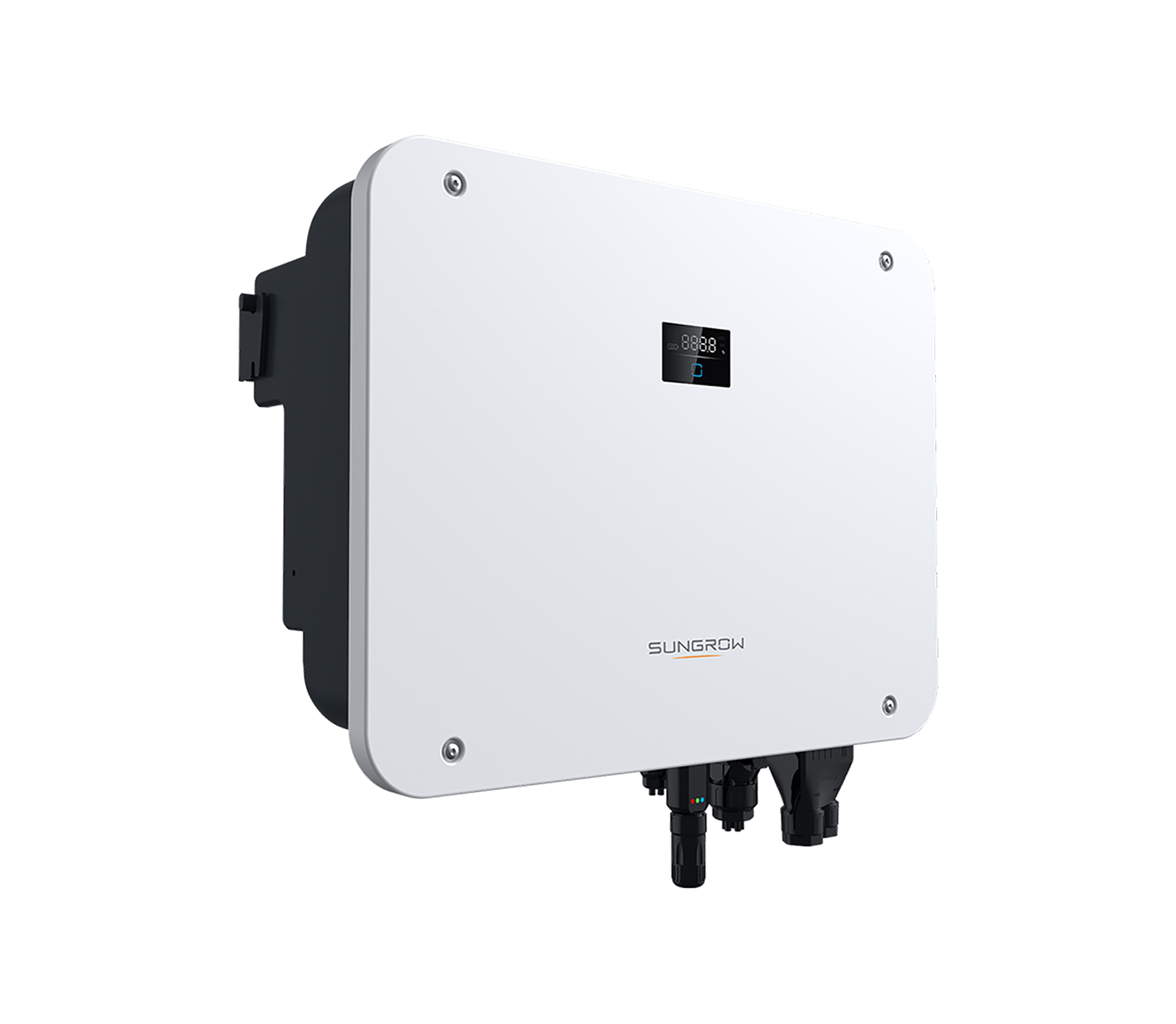
Sungrow SH-T three-phase hybrid
A large three-phase hybrid that can back up the whole home through a built-in 63 A bypass, switching over in under 10 ms. It accepts up to double its rated power in solar panels.
From $3,843 including GST
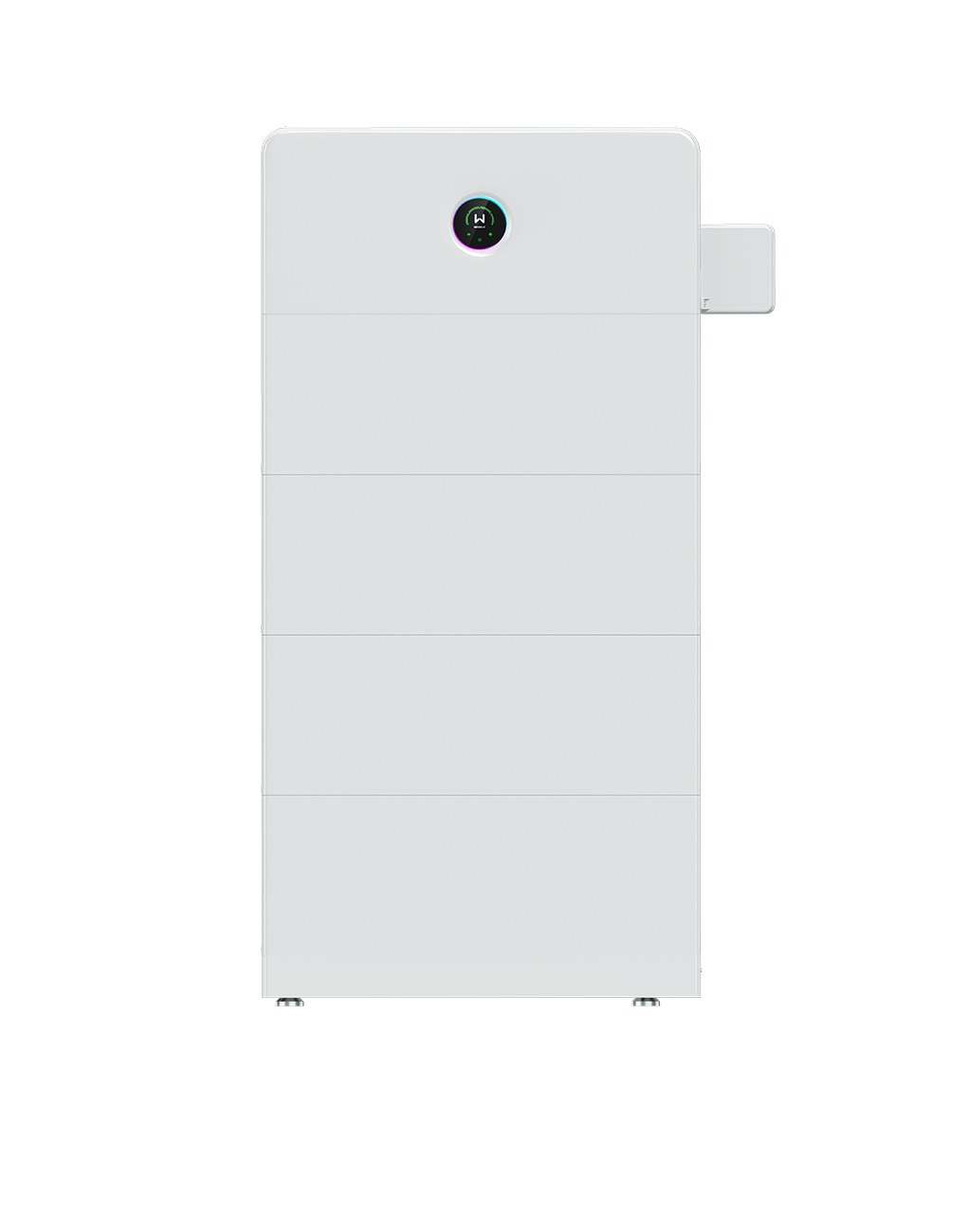
GoodWe ESA three-phase hybrid (ETA)
The inverter module of GoodWe's stackable ESA all-in-one system, which pre-wires the inverter and battery modules together. It backs up the whole home through an internal bypass and switches over in under 4 milliseconds.
From $2,377 including GST
GoodWe ESA single-phase hybrid (EHA)
A fanless single-phase all-in-one inverter that stacks with GoodWe battery modules in one pre-wired unit. It can back up the whole home, switching over in under 4 ms, without a separate gateway.
From $1,532 including GST
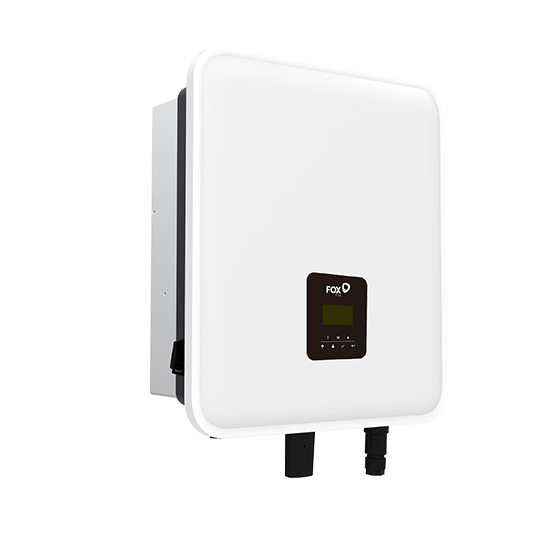
FoxESS KH hybrid inverter
A single-phase hybrid that runs solar and a FoxESS high-voltage battery, and powers backed-up circuits in an outage. It switches over in under 10 ms and is very quiet.
From $2,269 including GST
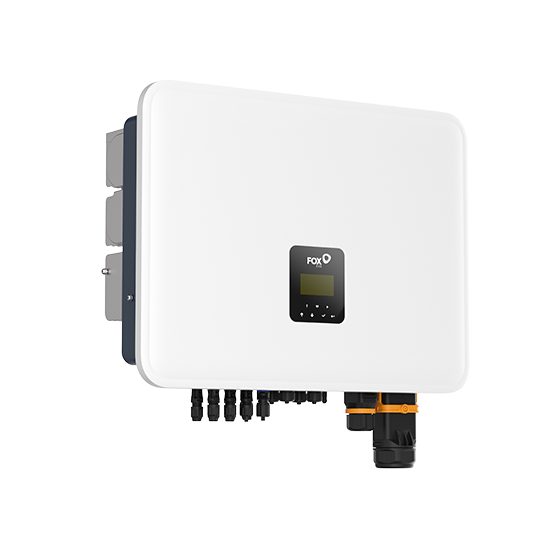
FoxESS H3 Smart three-phase hybrid
A three-phase hybrid that pairs solar with FoxESS high-voltage batteries and keeps backed-up circuits running in an outage. It handles solar arrays up to 200% of its rating.
From $2,338 including GST
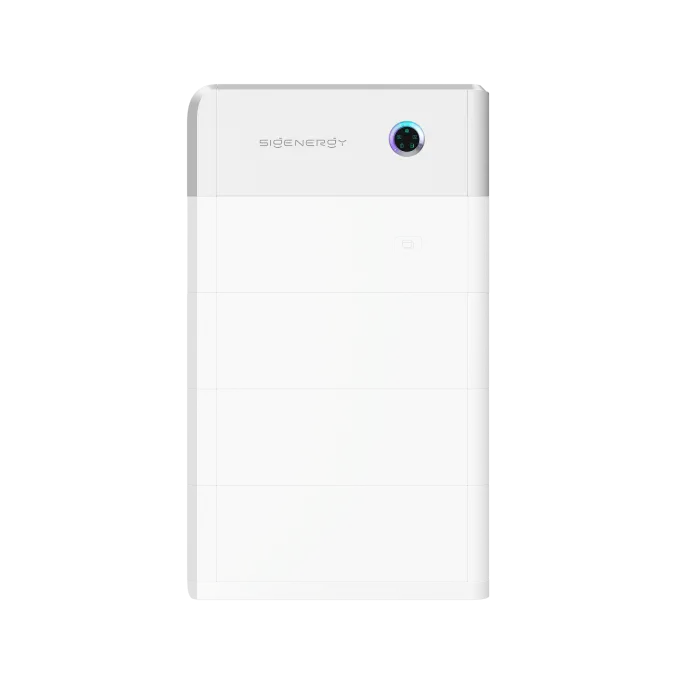
Sigenergy SigenStor energy controller, single phase
The energy controller is the hybrid inverter at the base of every SigenStor system. It runs your solar panels and the SigenStor battery modules stacked on it.
From $1,847 including GST
Sigenergy SigenStor energy controller, three phase
The energy controller is the hybrid inverter at the base of every SigenStor system. It runs your solar panels and the SigenStor battery modules stacked on it.
From $3,163 including GST
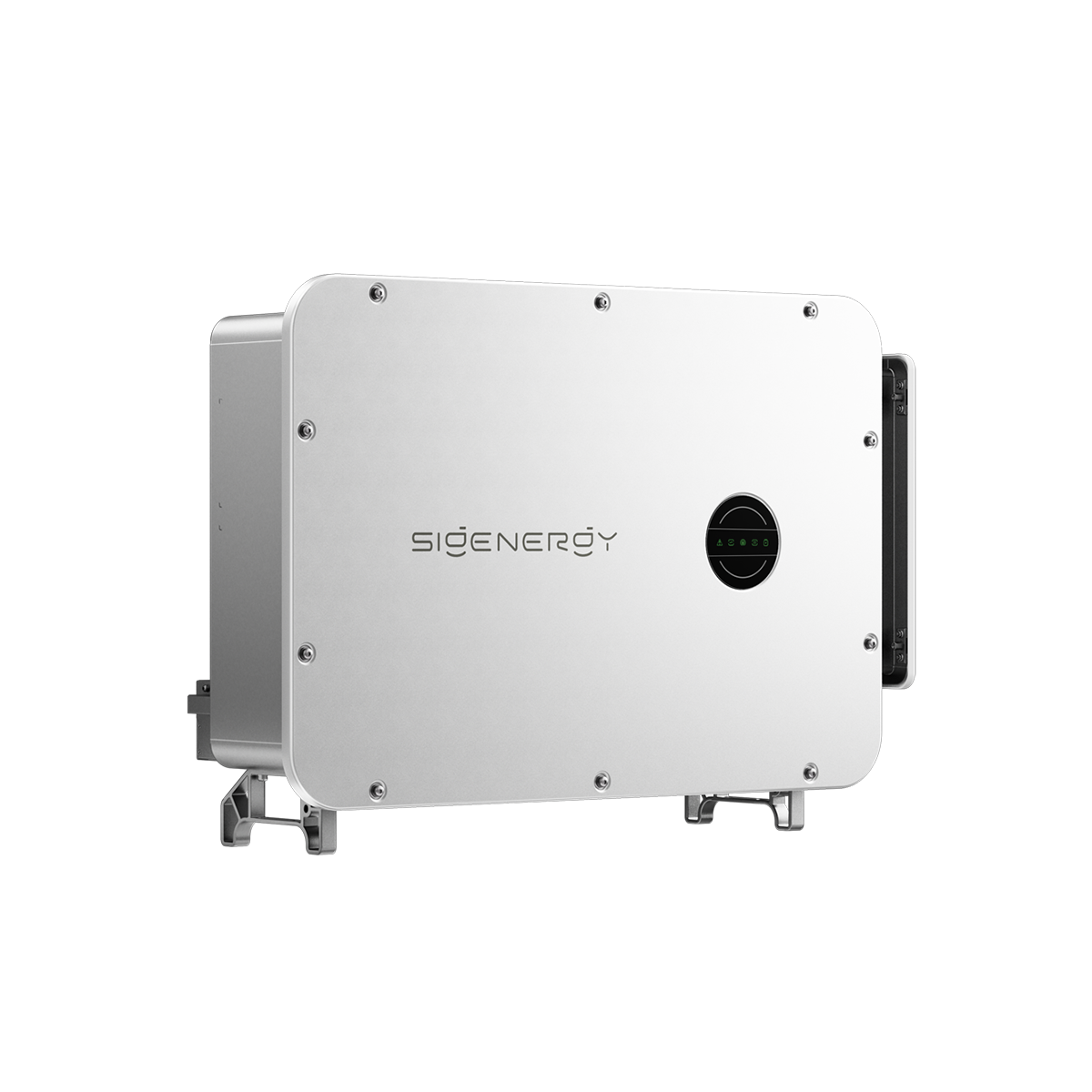
Sigen PV M1 hybrid inverter
A three-phase commercial hybrid inverter from 50 kW to 125 kW, ready for a SigenStack battery. Four MPPT on the 50 kW model and eight on the larger ones, IP66. This series has no backup port: for backup, see the PV M1 hybrid inverter with backup.
From $6,721 including GST
Sigen PV M1 hybrid inverter with backup
The HYB version of the commercial hybrid inverter: 50 kW to 110 kW, three phase, with a backup load port and seamless switchover so the site keeps running on and off grid, ready for a SigenStack battery. Up to eight MPPT, IP66.
From $10,990 including GST
Sigen PV M1 solar inverter
A three-phase commercial solar inverter from 50 kW to 125 kW, for solar without a battery. Four MPPT on the 50 kW model and eight on the larger ones, IP66.
From $5,534 including GST
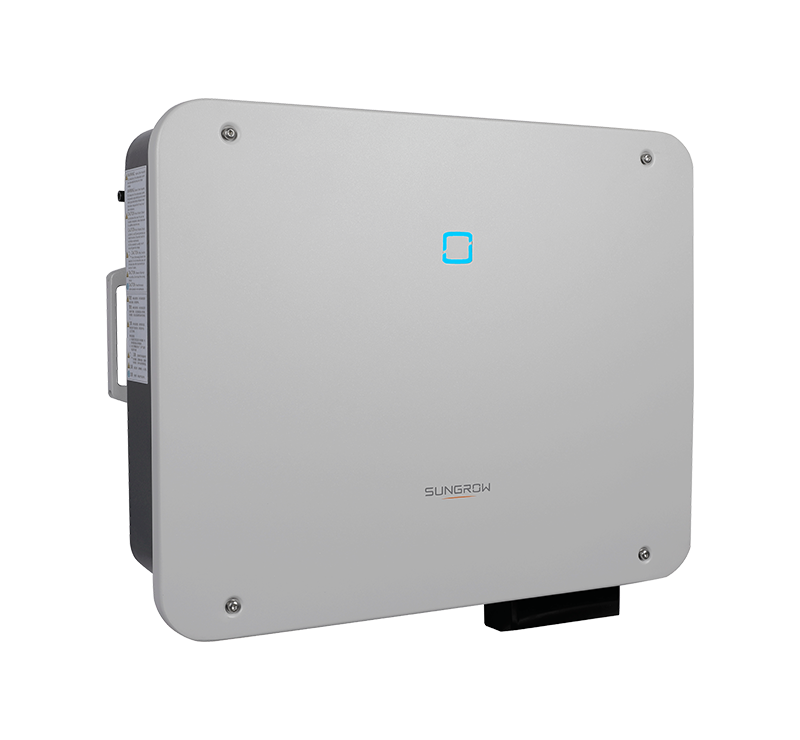
Sungrow SG CX commercial solar inverter
Sungrow's three-phase commercial string inverters from 30 kW to 110 kW, with Wi-Fi and a built-in DC switch. Four MPPT on the 30 and 50 kW models and twelve on the 110 kW.
From $4,469 including GST
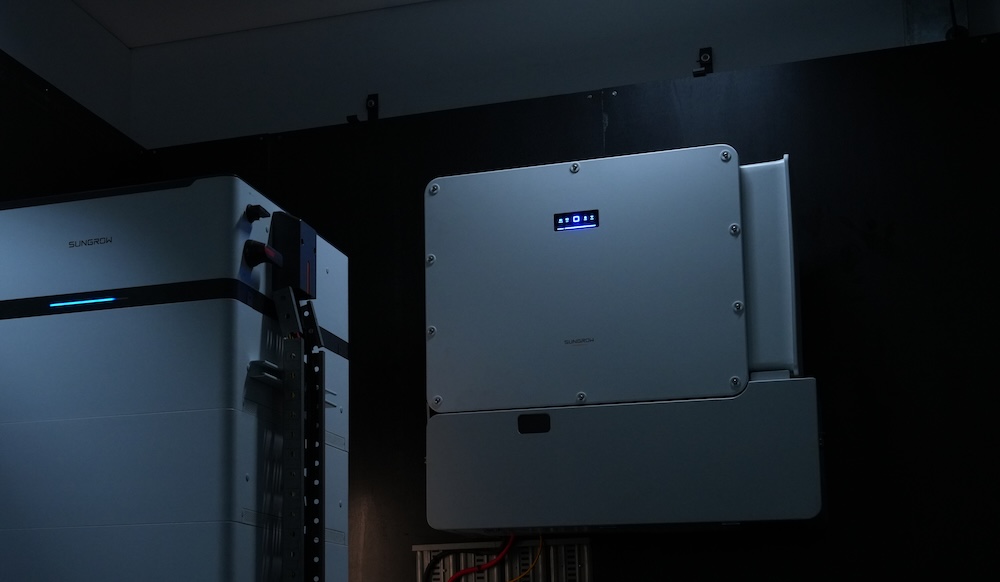
Sungrow SH110CX commercial hybrid inverter
A 110 kW three-phase commercial hybrid inverter from Sungrow with ten MPPT and a built-in DC switch, for business sites that pair solar with a battery.
From $12,643 including GST
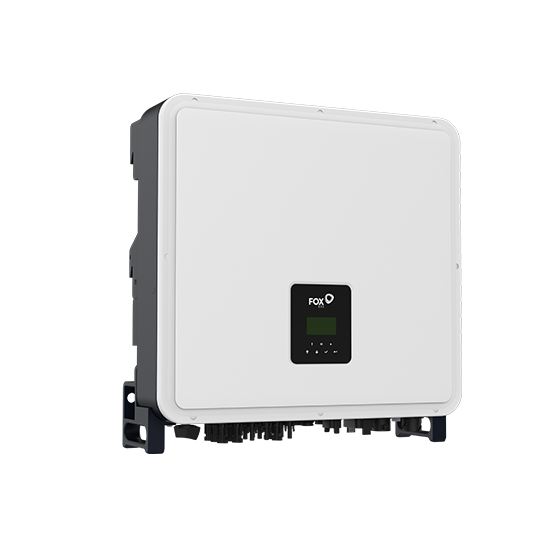
FoxESS H3-Pro three-phase hybrid
FoxESS's larger three-phase hybrid inverter, 15 to 29.9 kW, with three MPPT, Wi-Fi and a smart meter with six CTs in the box.
From $3,161 including GST
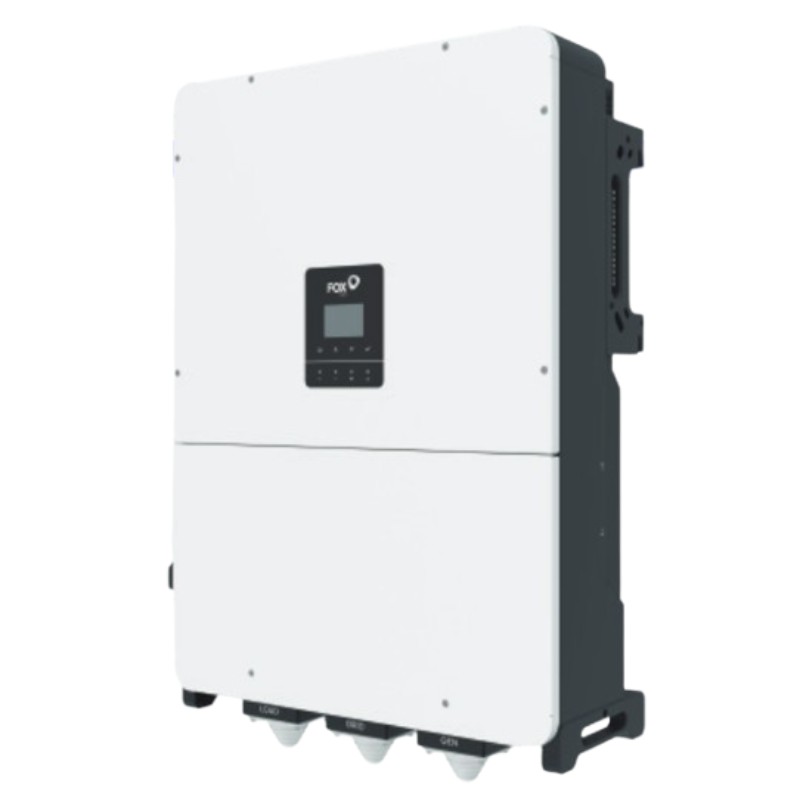
FoxESS H3-Plus commercial hybrid
FoxESS's commercial three-phase hybrid inverter from 50 kW to 100 kW, supplied with Wi-Fi, a meter and three 600 A Rogowski-coil CTs.
From $7,473 including GST
GoodWe GT 110 kW commercial solar inverter
A 110 kW three-phase commercial string inverter from GoodWe with ten MPPT.
From $7,047 including GST
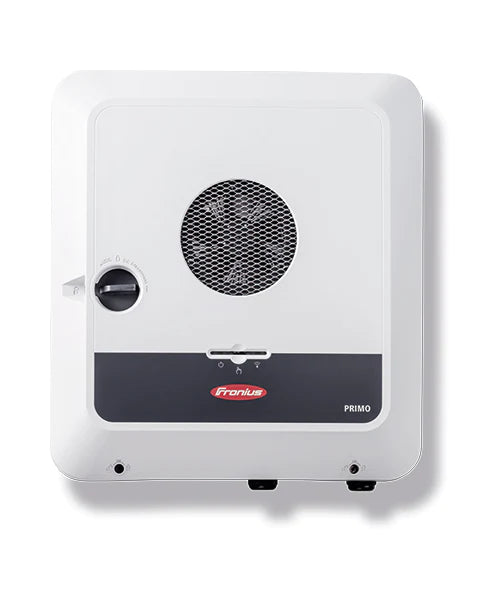
Fronius Primo GEN24 inverter
Fronius's single-phase GEN24 inverter from 3 kW to 10 kW with two MPPT. The SC versions are listed beside the standard ones.
From $1,869 including GST
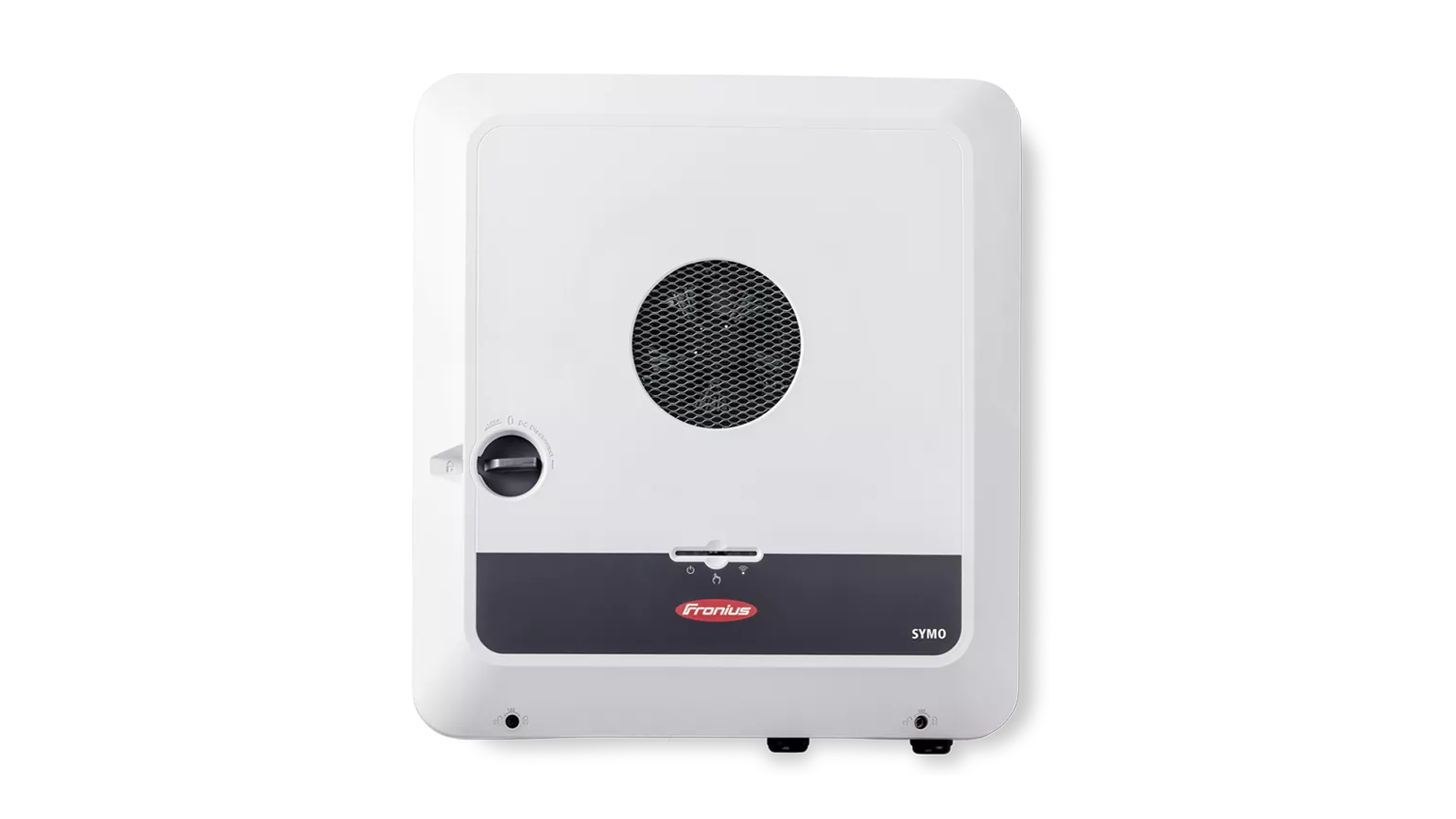
Fronius Symo GEN24 inverter
Fronius's three-phase GEN24 inverter from 5 kW to 12 kW with two MPPT. The SC versions are listed beside the standard ones.
From $2,487 including GST
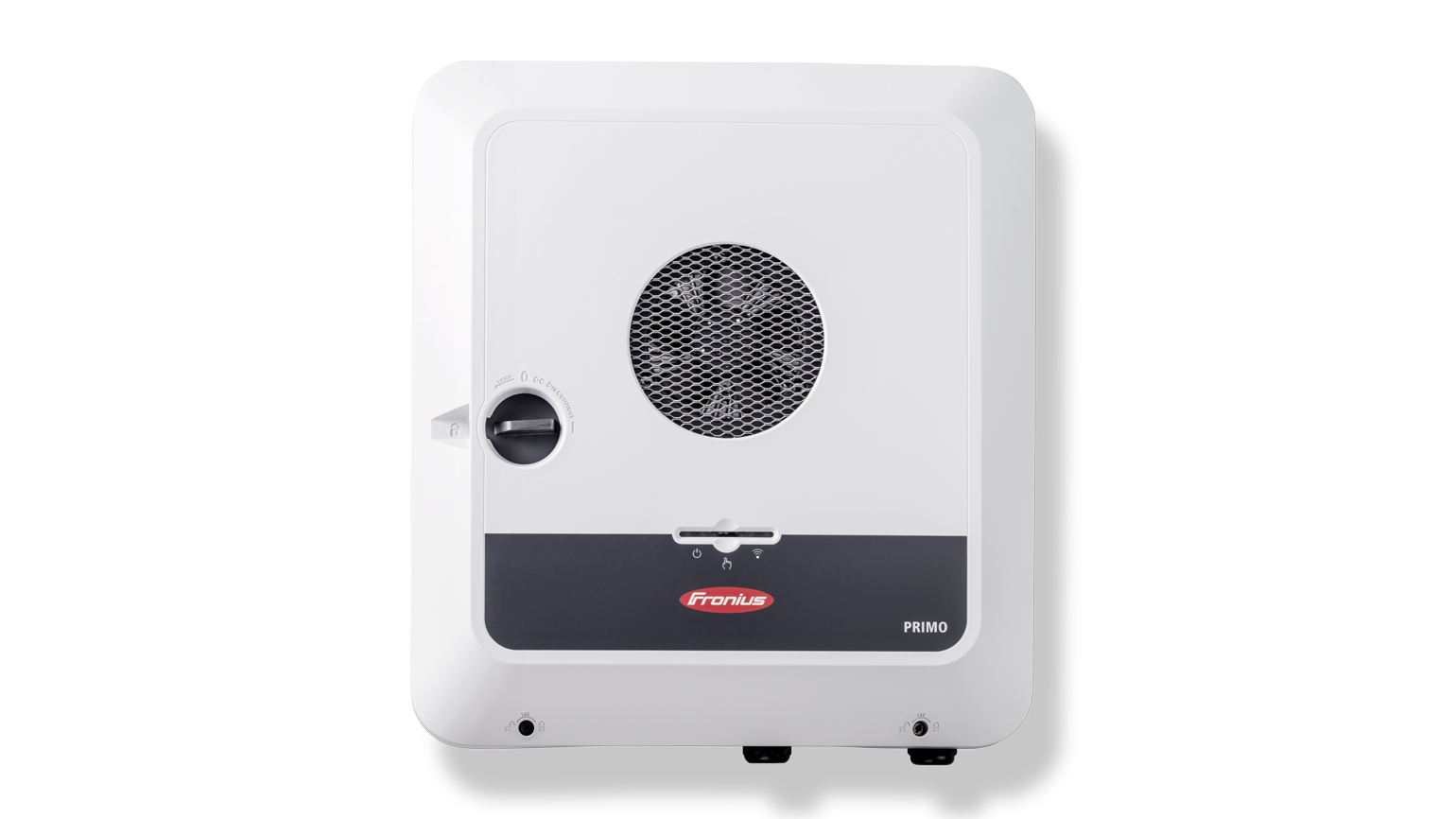
Fronius Primo GEN24 Plus hybrid inverter
The Plus version of Fronius's single-phase GEN24 inverter, 5 kW to 10 kW with two MPPT, for homes adding a battery.
From $3,147 including GST
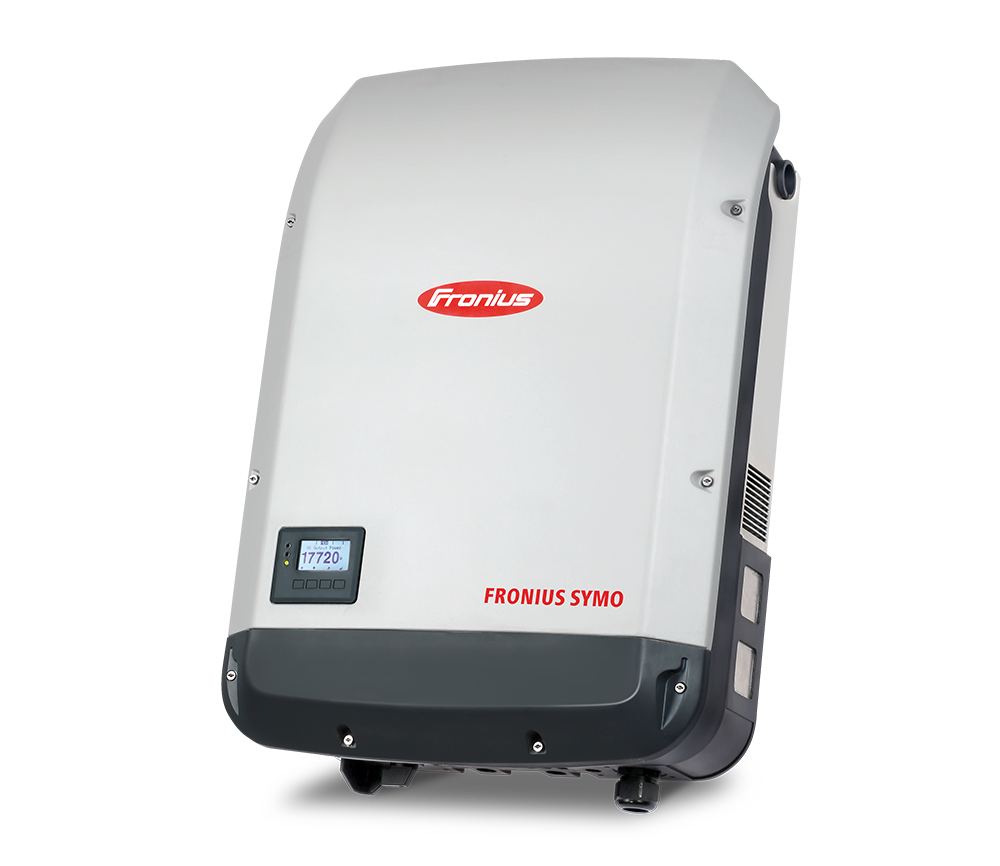
Fronius Symo GEN24 Plus hybrid inverter
The Plus version of Fronius's three-phase GEN24 inverter, 5 kW to 12 kW with two MPPT, for homes adding a battery.
From $3,505 including GST
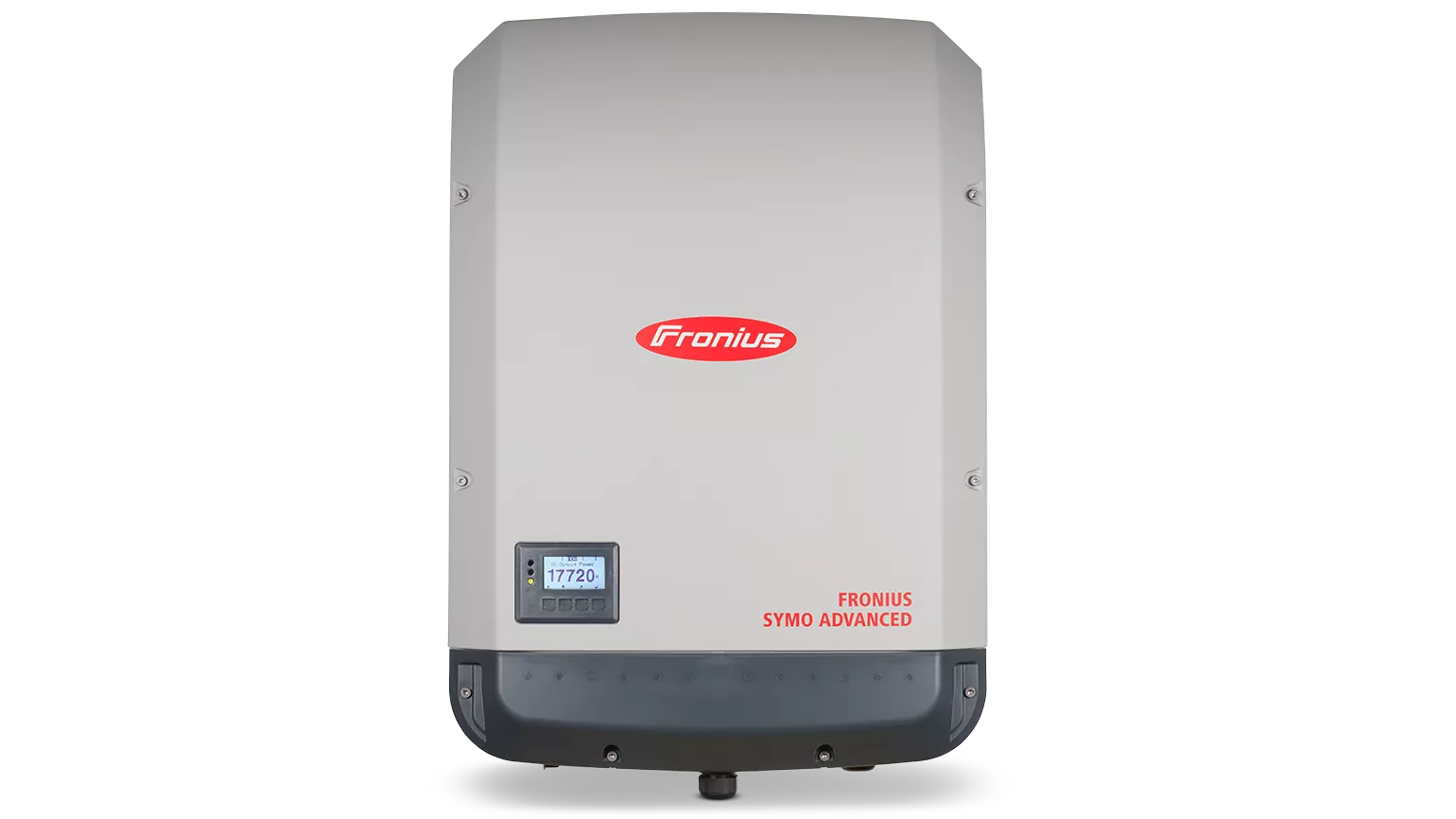
Fronius Symo three-phase solar inverter
Fronius's three-phase solar inverter: the Symo at 5 and 8.2 kW and the Symo Advanced from 10 kW to 20 kW, each with two MPPT.
From $1,265 including GST
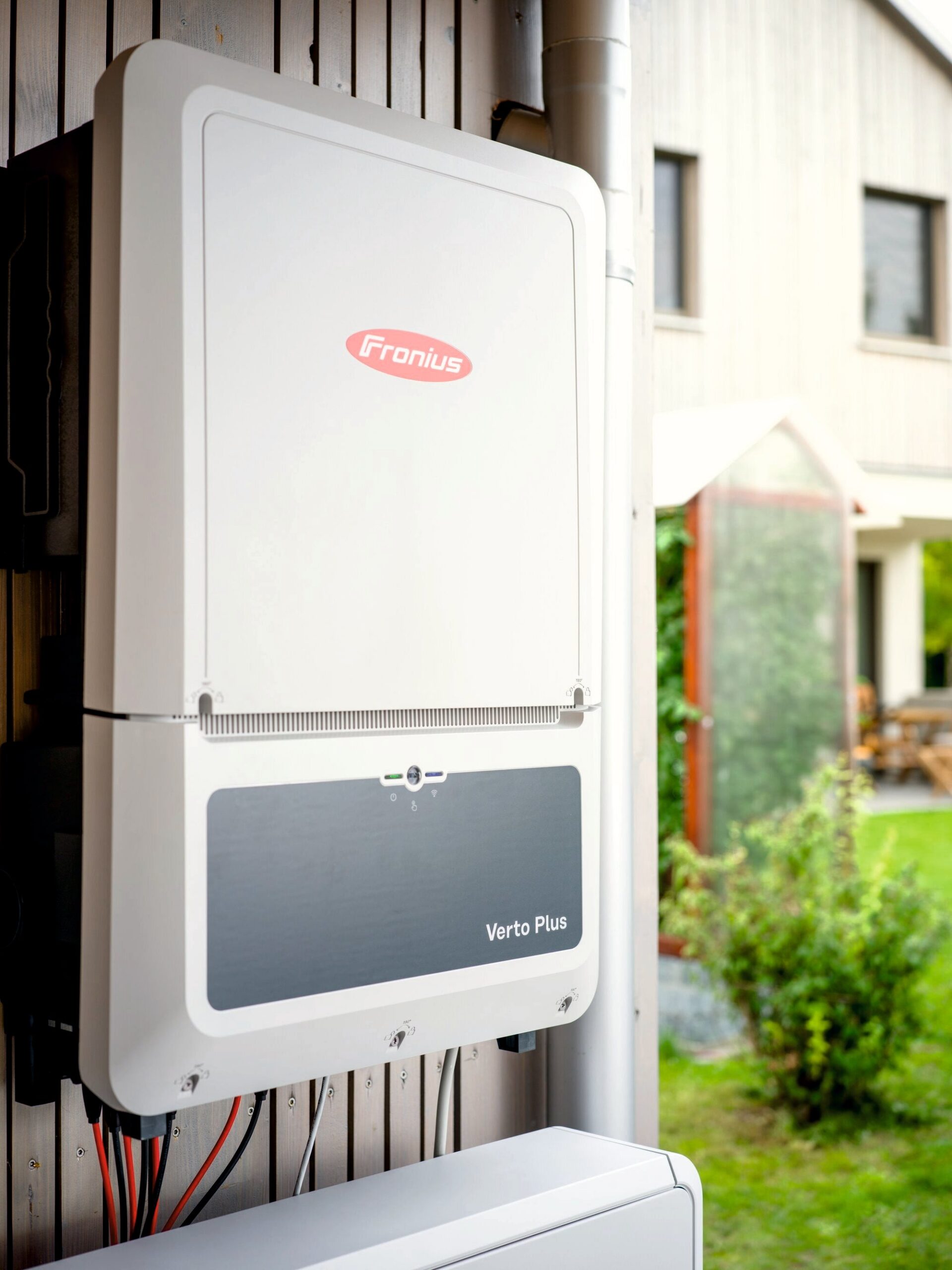
Fronius Verto three-phase solar inverter
Fronius's three-phase Verto inverter from 15 kW to 33.3 kW, with three MPPT up to 25 kW and four from 27 kW, for large homes and businesses.
From $4,943 including GST
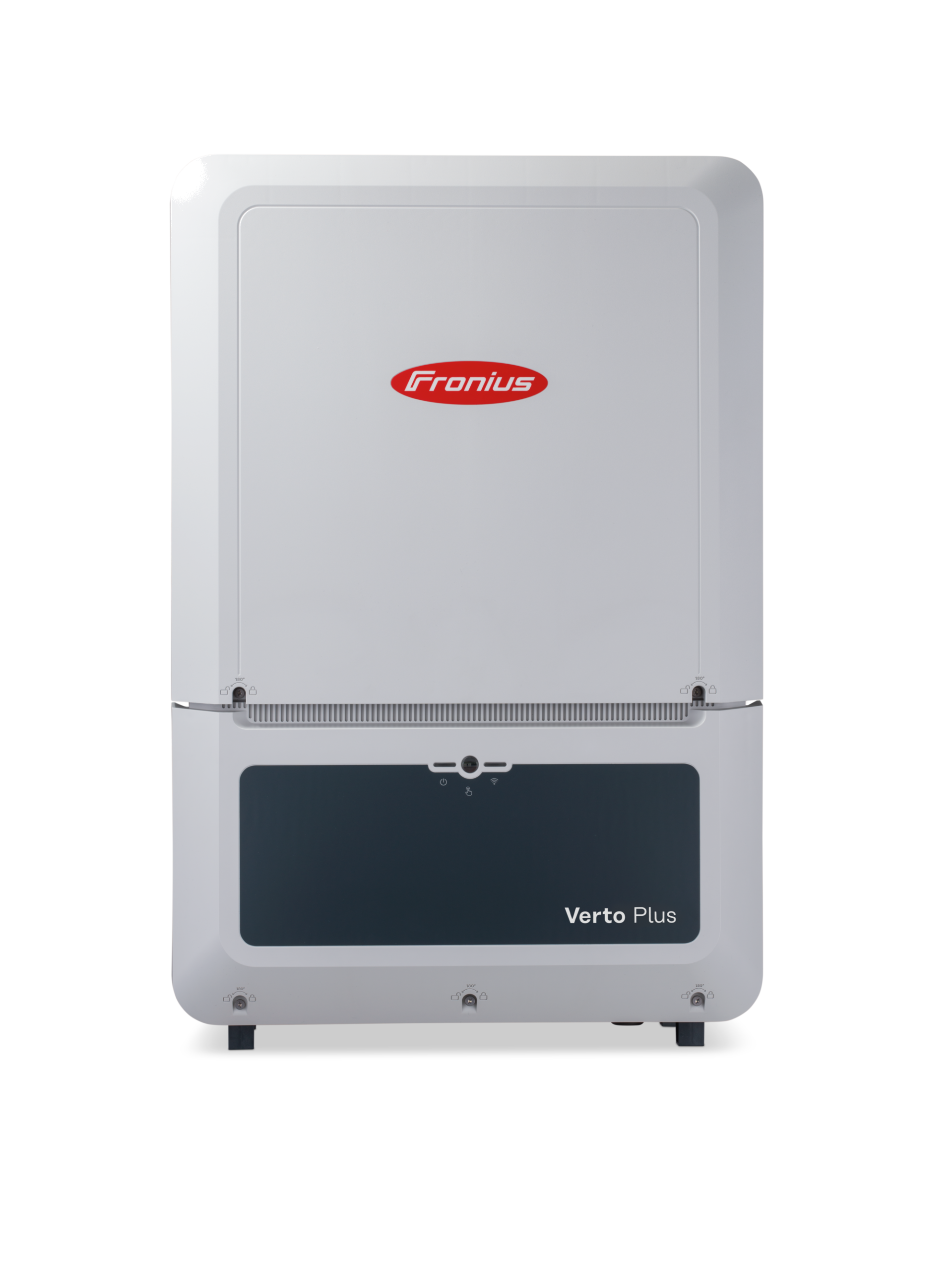
Fronius Verto Plus hybrid inverter
The Plus version of Fronius's three-phase Verto inverter, 15 kW to 33.3 kW with three MPPT, for large homes and businesses adding a battery.
From $6,599 including GST
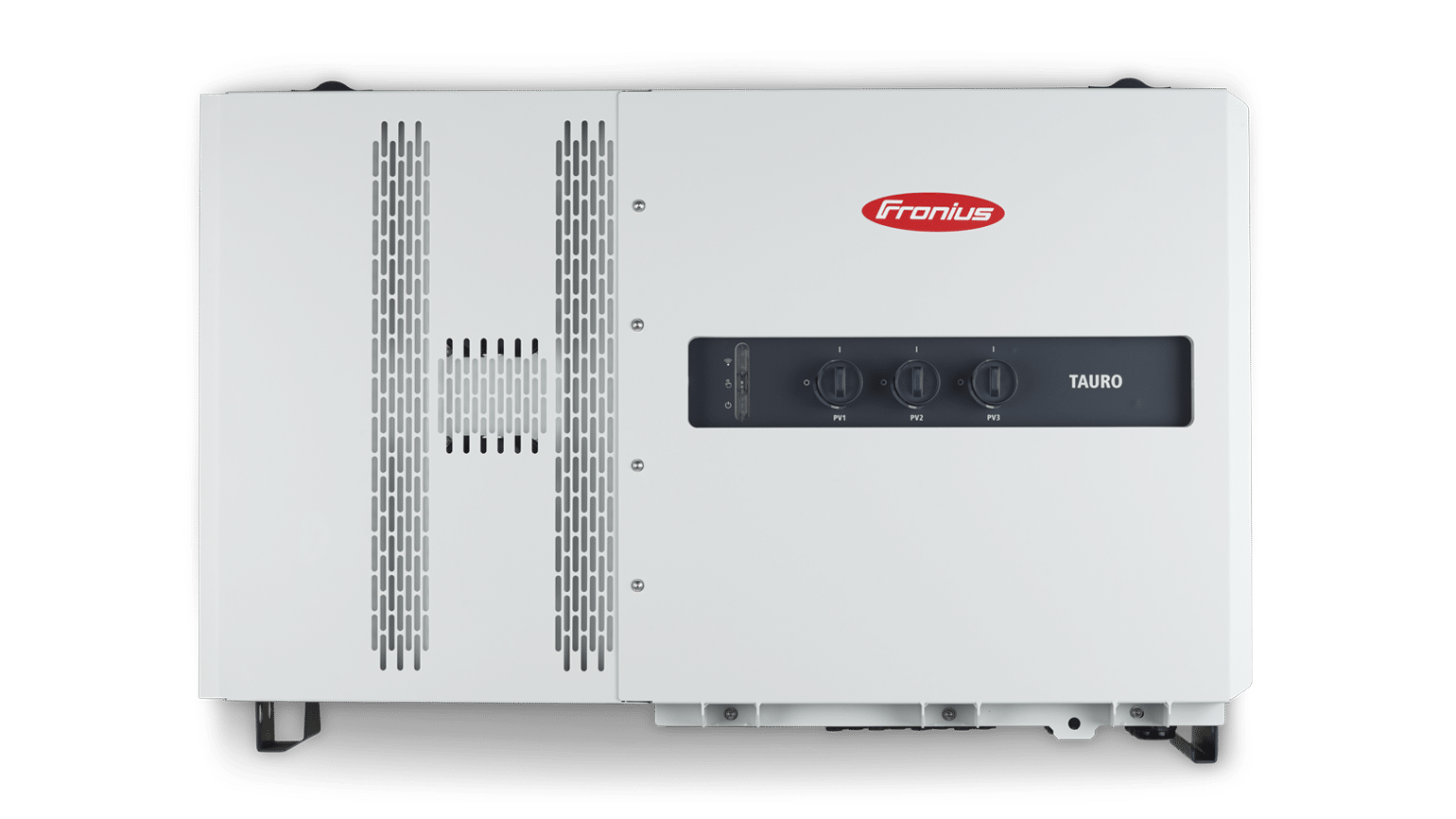
Fronius Tauro ECO commercial solar inverter
Fronius's commercial Tauro ECO Direct inverter at 50 kW and 100 kW, three phase with one MPPT and 30 A fuses.
From $8,386 including GST
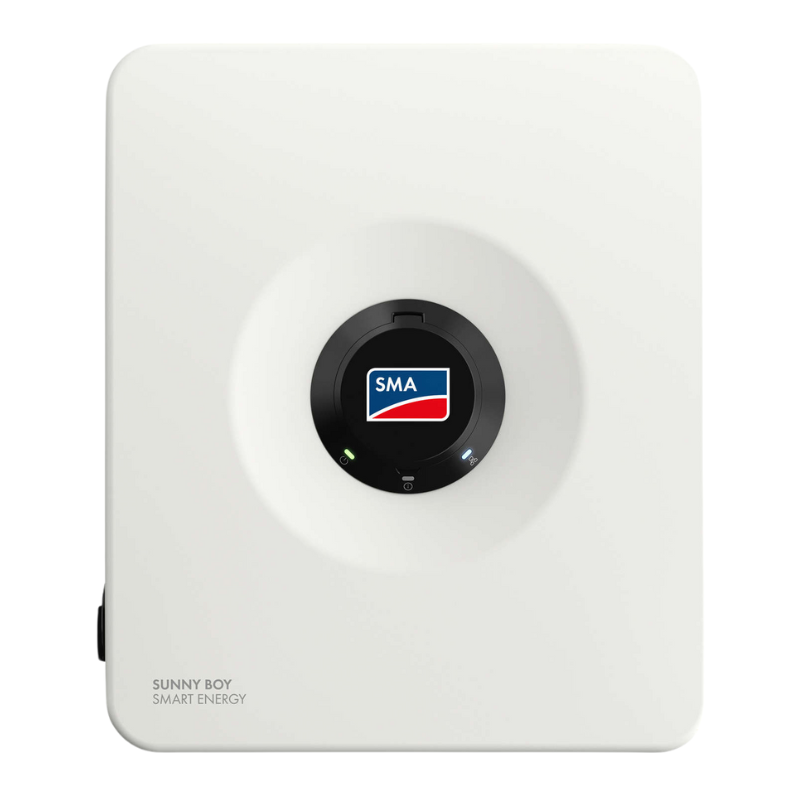
SMA Sunny Boy Smart Energy hybrid inverter
SMA's single-phase hybrid inverter at 5 kW and 6 kW with three MPPT.
From $3,092 including GST
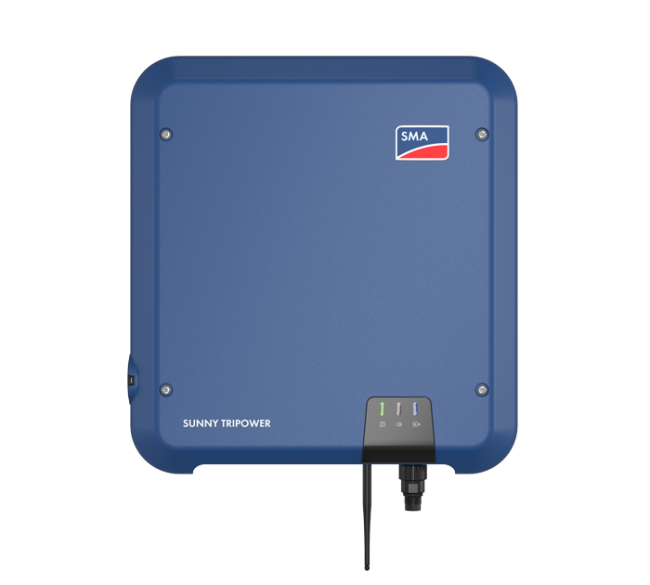
SMA Sunny Tripower solar inverter
SMA's three-phase solar inverter at 6 kW and 8 kW with two MPPT.
From $2,131 including GST
EV charging 5
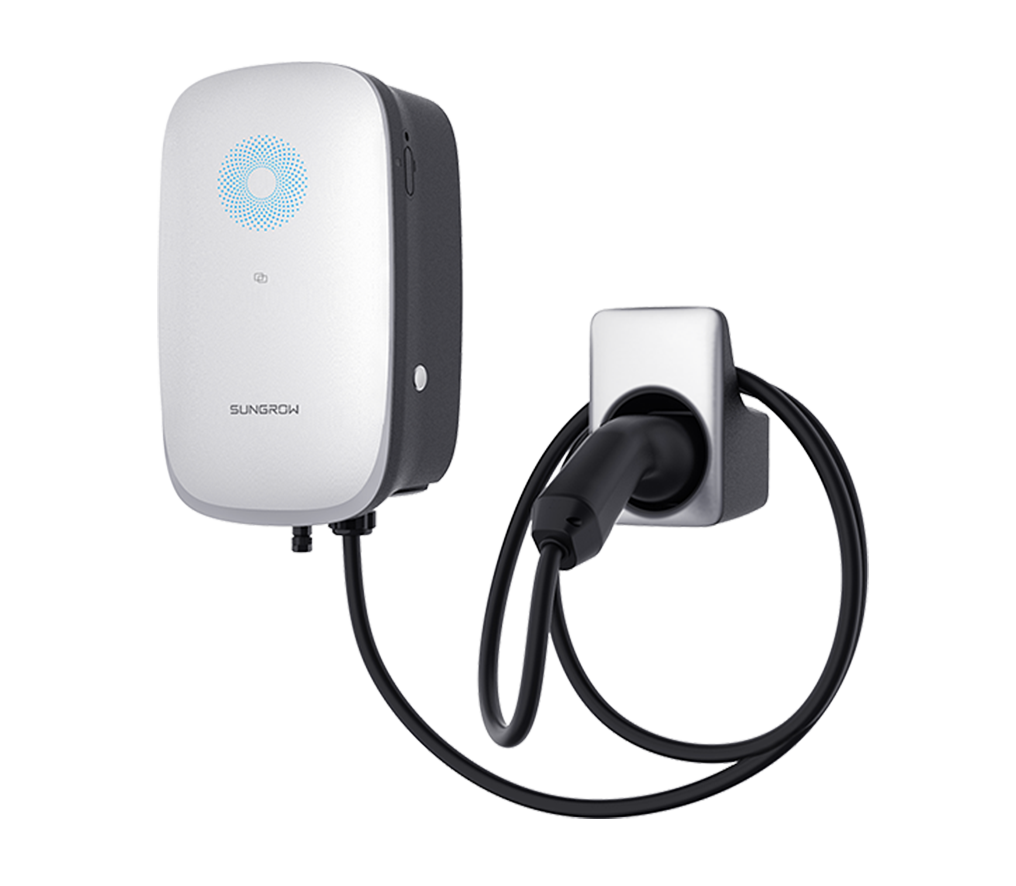
Sungrow AC22E EV charger
A tethered Type 2 charger that can be set to 22 or 11 kW on three phase, or 7.4 kW on single phase. In Australia it runs in Sungrow's energy management mode alongside a Sungrow hybrid inverter for solar-surplus charging, managed in iSolarCloud.
From $2,089 including GST
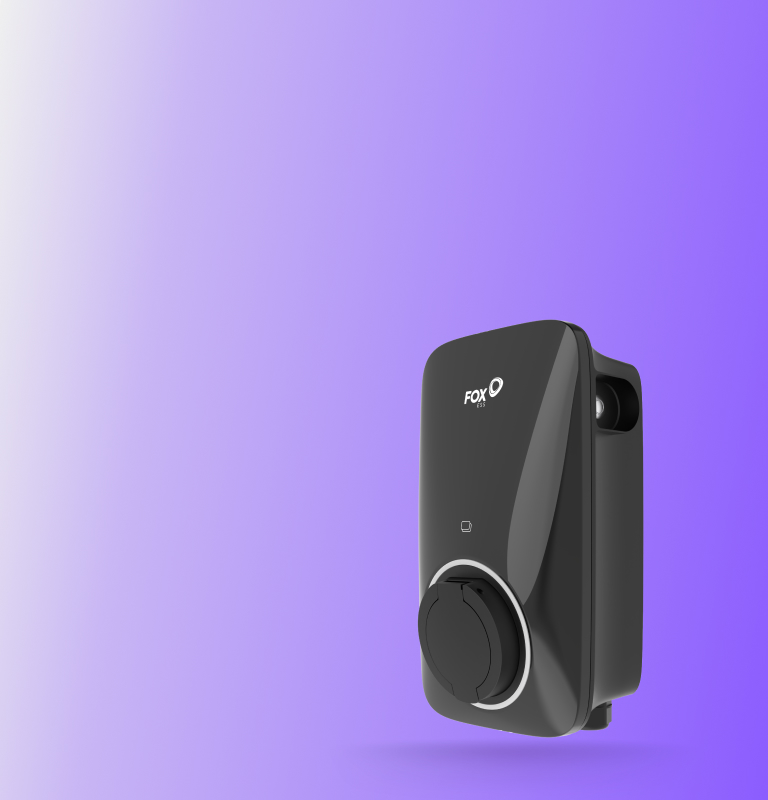
FoxESS A Series EV charger
A compact tethered Type 2 charger in 7.3 kW single-phase and 22 kW three-phase versions, with solar-surplus charging, dynamic load balancing and OCPP 1.6J and 2.0.1 support.
From $2,063 including GST
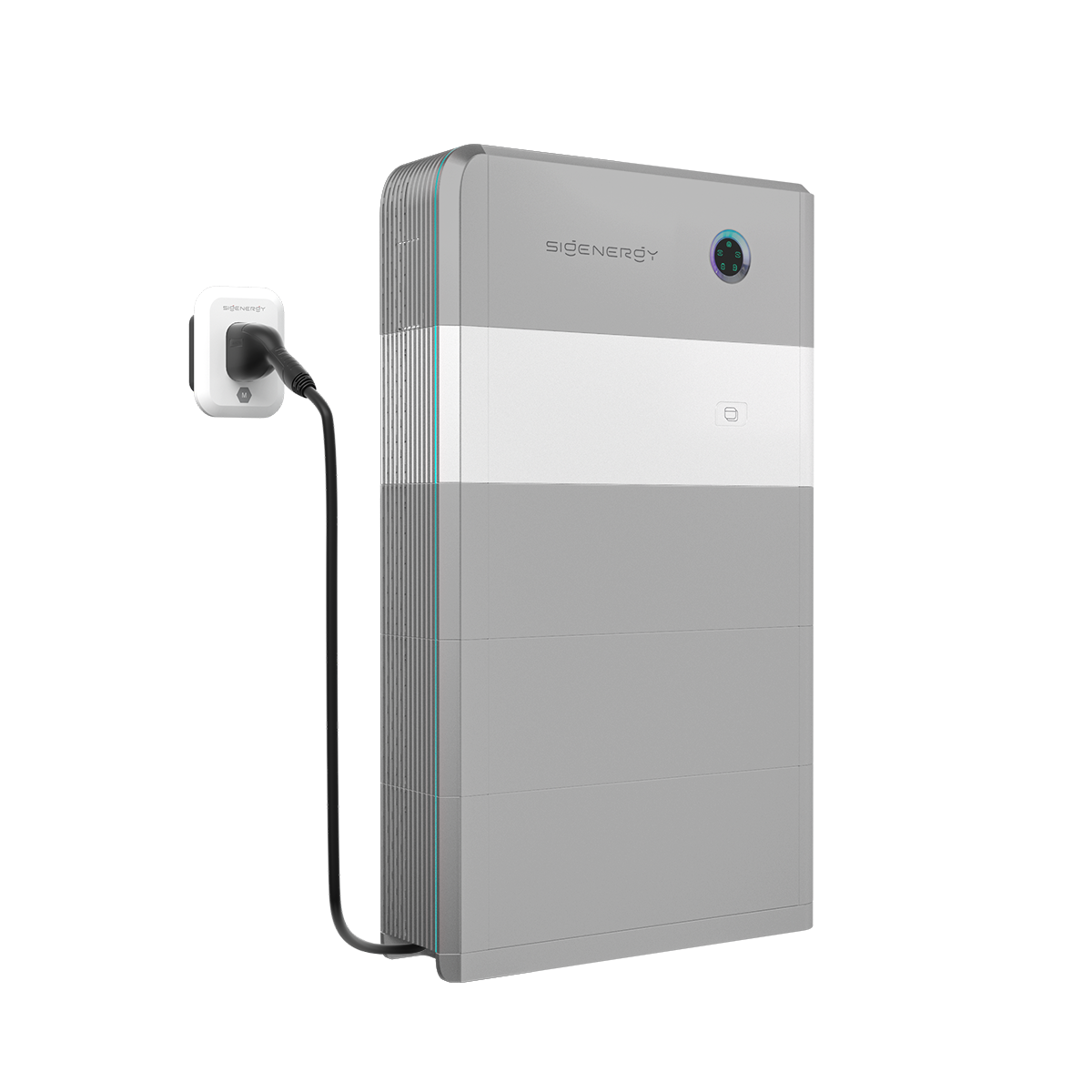
SigenStor EV DC charger
A DC fast-charging module that stacks into a SigenStor system and charges an EV straight from solar and battery at 12.5 or 25 kW. It is bi-directional, so it can supply the home from a compatible car.
$4,659 From $4,342 including GST Save 7%
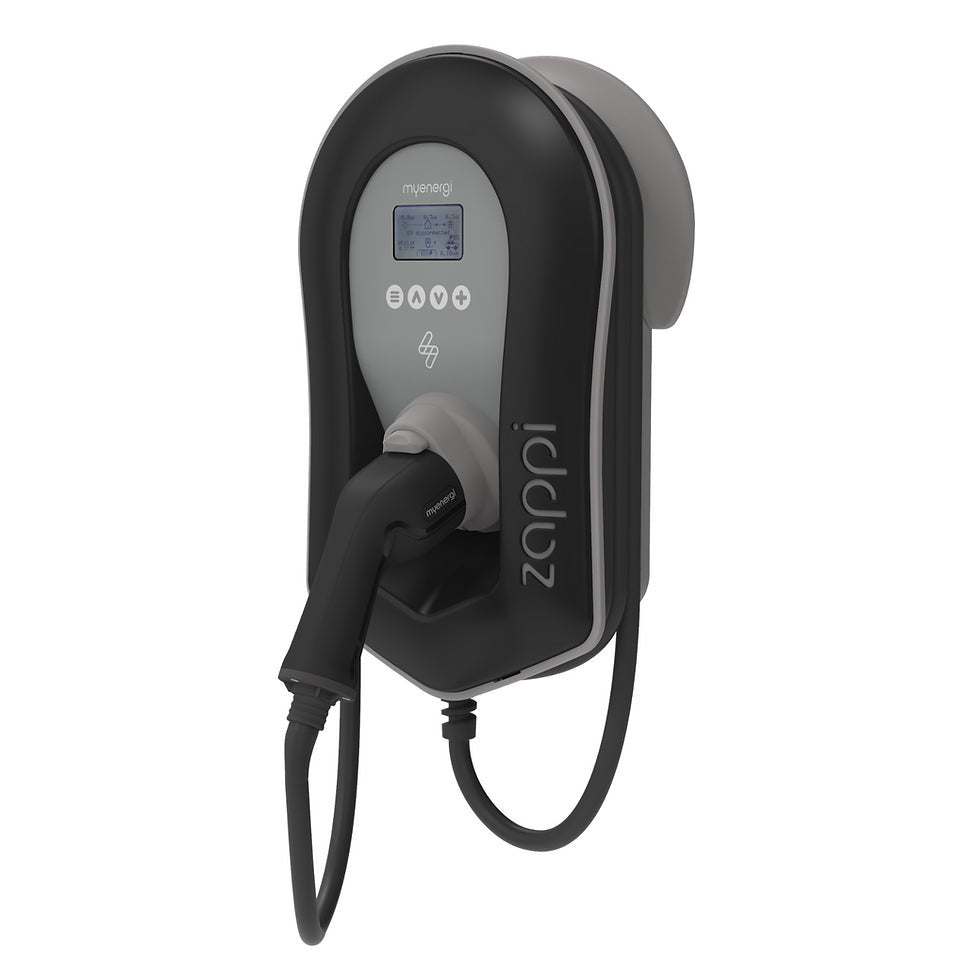
myenergi zappi EV charger
The zappi V2.1 from myenergi: a 7/22 kW tethered EV charger with a 6.5 m cable, Wi-Fi and Ethernet built in, and three CTs in the box. White or black.
From $2,894 including GST
Sungrow 30 kW DC fast charger
Sungrow's 30 kW DC charger with a 5 m cable, for businesses and fleets. A standing pole or a trolley can be added. Installation is quoted for each site.
From $17,875 including GST
WHAT YOU ARE ACTUALLY BUYING
What is included, and what is not.
Included as standard
- Analysis of twelve months of interval data against your current network tariff
- System design, single line diagram, and a structural assessment where the roof calls for one
- Supply and installation of array, inverters, mounting, protection and switchboard work
- Network connection application and compliance with the relevant approval process
- Certificate creation and assignment, taken off the price or handled as agreed
- Monitoring with per string reporting, and a handover pack your facilities people can use
What can add to it
We look for every one of these before quoting. Anything that applies is priced in writing before you commit.
- Structural remediation where the roof cannot carry the array as it stands
- Switchboard or main switch upgrades, and any transformer or supply upgrade
- Asbestos handling, crane hire, extended traffic management and after hours premiums
- Roof replacement or repairs, and any work required to preserve a roof warranty
- Metering changes billed by your retailer or network
- A network capacity study where your requested export exceeds what the network will take
What counts as a standard job
A standard commercial job is a single roof with sound structure and reasonable access, a switchboard with capacity for the new protection, work carried out in normal hours, and an export level the network will approve without a capacity study. Everything else is scoped, priced and put in writing before anything is ordered.
WHAT YOU CAN ACTUALLY CLAIM
Rebates, and who they are for.
Rebates change often and most of them have conditions that decide whether you qualify. These are the ones that apply here, with the catch stated rather than buried.
ACT
Small-scale certificates
Systems up to the small-scale cap create certificates up front, deducted from the installed price. From 1 October 2026 that cap rises from 100 kilowatts to 1 megawatt, although the Clean Energy Regulator has said applications under the expanded cap open later in 2026. Larger systems create large-scale certificates over time instead.
ACT
Worth knowing for a fit out or a new build
The ACT household schemes do not extend to business. What does apply to a commercial project is the federal certificate discount, and the ACT ban on new gas connections, which has been in force since December 2023 and covers new commercial and community facility connections as well as residential.
NSW
Small-scale certificates
The same federal certificate discount applies in NSW, with the same cap change from 1 October 2026.
NSW
Business battery incentives
From 1 September 2026 NSW opened battery incentives for small and medium business and for larger commercial and industrial sites, covering systems from around 20 kilowatt hours upwards, with a minimum customer contribution. Eligibility depends on the site and the equipment, so we confirm in writing what applies to you before you rely on it.
NSW
Energy Savings Scheme and Peak Demand Reduction Scheme
NSW pays for a range of business upgrades including lighting, refrigeration, air conditioning and hot water, delivered as a discount through an accredited certificate provider rather than as a payment to you. Worth checking alongside a solar project rather than after it.
Rebate information last checked 20 September 2026. We confirm what you qualify for, in writing, before anything is ordered.
START WITH YOUR OWN BILL
Roughly what a system could do for your site.
Arithmetic from your bill, not a design: it uses a Canberra yield of about 1,450 kWh a year for every kilowatt of panels and the assumptions shown under the result. The interval data does the real work later.
A starting point
—
- Generation a year
- —
- Used on site
- —
- Bill saving a year
- —
- Emissions avoided
- —
Assumes 28 cents a kWh for power you no longer buy, 5 cents for what is exported, and 0.68 kg of CO₂ per kWh of grid power. Demand charges, export limits, shading and the roof itself all change the answer, and the certificate scheme that applies depends on the size you end up with. We size from twelve months of interval data before we quote.
WAYS TO PAY
Own it, finance it, or buy the power.
Buy it outright
The simplest and usually the best return: you own the system and every kilowatt hour it makes from day one.
Finance through our partners
Spread the cost so the monthly repayment sits under the monthly saving. We introduce you to the lender; the decision is yours.
Ask about a lease or power purchase agreement
For larger sites, a third party can own the system and sell you the power at a fixed rate. We will tell you plainly whether it suits your site.
Tax treatment, depreciation and any instant write-off depend on your business: we do not give tax advice, and your accountant should have the final word on how you buy.
HOW IT ACTUALLY GOES
From first call to switched on.
- 1
We ask for your data and your bill
Twelve months of interval data and a recent bill including the tariff name. That is the whole starting point.
- 2
We model it against your tariff
Generation matched to your load half hour by half hour, with the self consumption rate stated rather than assumed.
- 3
Design, structural check and proposal
Single line diagram, layout, structural assessment where needed, and a business case with the assumptions visible.
- 4
Approvals
Network connection, and any landlord, strata or development approval the site needs.
- 5
Installation around your operations
Scheduled to your hours, with outages agreed in advance.
- 6
Commissioning and reporting
Per string monitoring, a handover pack, and reporting your finance people can actually use.
THE NETWORK AND THE PAPERWORK
What the network allows, and what we lodge for you.
Evoenergy (the ACT)
Inverters up to 20 kVA on a single phase or 20 kVA per phase on three phases connect under the standard rules; commercial systems up to 200 kVA of inverter capacity connect under the same requirements with AS/NZS 4777.2:2020 equipment. Export is 10 kVA across the site by default; exporting more needs a network assessment, which we apply for.
Essential Energy (regional NSW)
Larger systems are assessed case by case and the export limit depends on the local line. Rural single-phase and SWER supplies cap what a system can send back, so we design to the limit and use storage where it pays.
Standards and paperwork
AS/NZS 4777 and AS/NZS 5033 compliant installs by CEC-accredited installers, a signed certificate of electrical safety, the network connection agreement, and the certificate paperwork lodged for you.
AFTER THE INSTALL
Looked after for the life of the system.
Monitoring you can see
Generation and consumption on a portal or app, with alerts when a string or an inverter drops out.
Performance checks
A yearly look at yield against design so a dirty array or a failed optimiser never costs you a season.
Warranty handled for you
One call to us for any product or workmanship claim. We deal with the manufacturer.
Cleaning and inspections
Panel cleaning, thermal and electrical inspections on a schedule that suits your site.
THE QUESTIONS WE GET ASKED
Straight answers.
How do you work out the payback?
From your interval data and your actual tariff, not from an average. The number that matters is how much of the generation you consume on site. We show you that figure and the assumptions behind it, because that is the part a good business case lives or dies on.
Will solar reduce our demand charges?
Sometimes, partly. Demand charges are set by your peak, which may fall outside generating hours. Solar reliably cuts energy charges. Cutting demand usually needs storage or load control, and whether that pays depends on the tariff.
We lease the building. Can we still do it?
Often yes, but the commercial structure comes first. Landlord consent, who owns the asset, what happens at the end of the lease, and how the benefit is shared. It is worth resolving that before spending money on design.
How big can we go?
Up to the small-scale cap, systems earn certificates up front. That cap rises from 100 kilowatts to 1 megawatt from 1 October 2026, which makes mid sized systems considerably more attractive than they were. Beyond that, systems create large-scale certificates over time instead.
Do you do batteries and EV charging for business too?
Yes, and increasingly they are one project. Fleet charging, demand management and solar interact, and designing them together avoids paying twice for switchboard work.
What about the roof warranty?
We check it before we quote. Some roof warranties are affected by penetrations and there are mounting systems that avoid them. This is the sort of thing that is cheap to check first and expensive to discover later.
A FEASIBILITY CHECK, FREE
Tell us about your site.
Send what you have; a recent bill and a rough roof size are enough to start. We come back with whether it stacks up, and what we would need to design it properly.
Want a business case built from your own data?
Send twelve months of interval data and a recent bill. We will come back with what the roof can carry, what you would actually consume and what it does to your bill, before anyone talks about equipment.
Where people usually go next
 4.8133
 4.7157
Prices on this website are for the ACT and within 35 km of Canberra. Further out, the same system usually costs 15–30% more for travel, time away and the extended warranty responsibility that comes with distance. We confirm the final price before you commit to anything.