
SOLAR IN CANBERRA AND THE NSW COUNTRY AROUND IT
Solar designed around your roof, your bills and what your network will actually let you export.
We design, supply and install rooftop solar across the ACT and the NSW towns around it. Every system is drawn for one roof, priced in writing, and sized against what you use rather than what fits inside a package deal. If a bigger system will not pay for itself on your roof, we will say so.
- Canberra yield
- 1,450 kWh
- Certificate zone
- Zone 3
- Export limit, ACT
- 5 kVA per phase
- Certificate deeming
- 5 years in 2026
a year for every kilowatt of panels, which is the figure we design to
the ACT and most nearby NSW rates at 1.382 for small-scale certificates
the Evoenergy default for residential solar
it falls to 4 years on 1 January 2027, so the discount shrinks
WHAT ACTUALLY DECIDES IT
The things that shape your design.
Which way your roof faces
North gives the most over a full year. West gives less in total but more at four and five in the afternoon, which is when most people are home and when power costs the most. Arrays split across two or three faces are normal here, not a compromise.
Shade, and what it does
One chimney or one neighbour's tree can pull down a whole string on a basic system. Where shade is unavoidable we design around it with optimisers or a different string layout, rather than pretending it is not there.
How much you use during the day
Every kilowatt hour you use as it is generated is worth what you would otherwise have paid for it. Every one you export is worth the feed-in tariff, which is a fraction of that. Your daytime habits move the right system size more than your total bill does.
What your network lets you export
In the ACT, Evoenergy allows 5 kVA of export per phase on a residential connection. Around Queanbeyan, Yass, Goulburn and Cooma you are on Essential Energy, where the standard limit is 5 kW for the whole site. The panels can be larger than that. The export is what gets capped.
Your switchboard and your meter
Older Canberra boards often have no main switch, no room for another breaker, or ceramic fuses. Your retailer also has to reconfigure the meter after the install. Neither is exotic, but both are real, and both belong in the quote rather than in a surprise.
The roof itself
Tile, Colorbond, Klip-Lok, concrete, and how old it is. Two storey and steep pitch changes the access and the safety gear. A roof due for replacement in three years is a reason to talk about timing first.
Worth knowing before you compare quotes
Two quotes for the same number of kilowatts can differ by thousands, and the reason is usually in what is missing. Look for the exact panel and inverter model rather than a brand name, the number of small-scale certificates being assigned and who keeps them, whether the array is oversized past what the accreditation guidelines allow, whether a switchboard upgrade is priced or excluded, and what the warranty actually covers once the installer has moved on.
NOT A STOCK PHOTO
The equipment we actually install.
Every one of these has its own page with real specifications, current pricing and the questions worth asking. Nothing here is a placeholder.
Solar panels 15
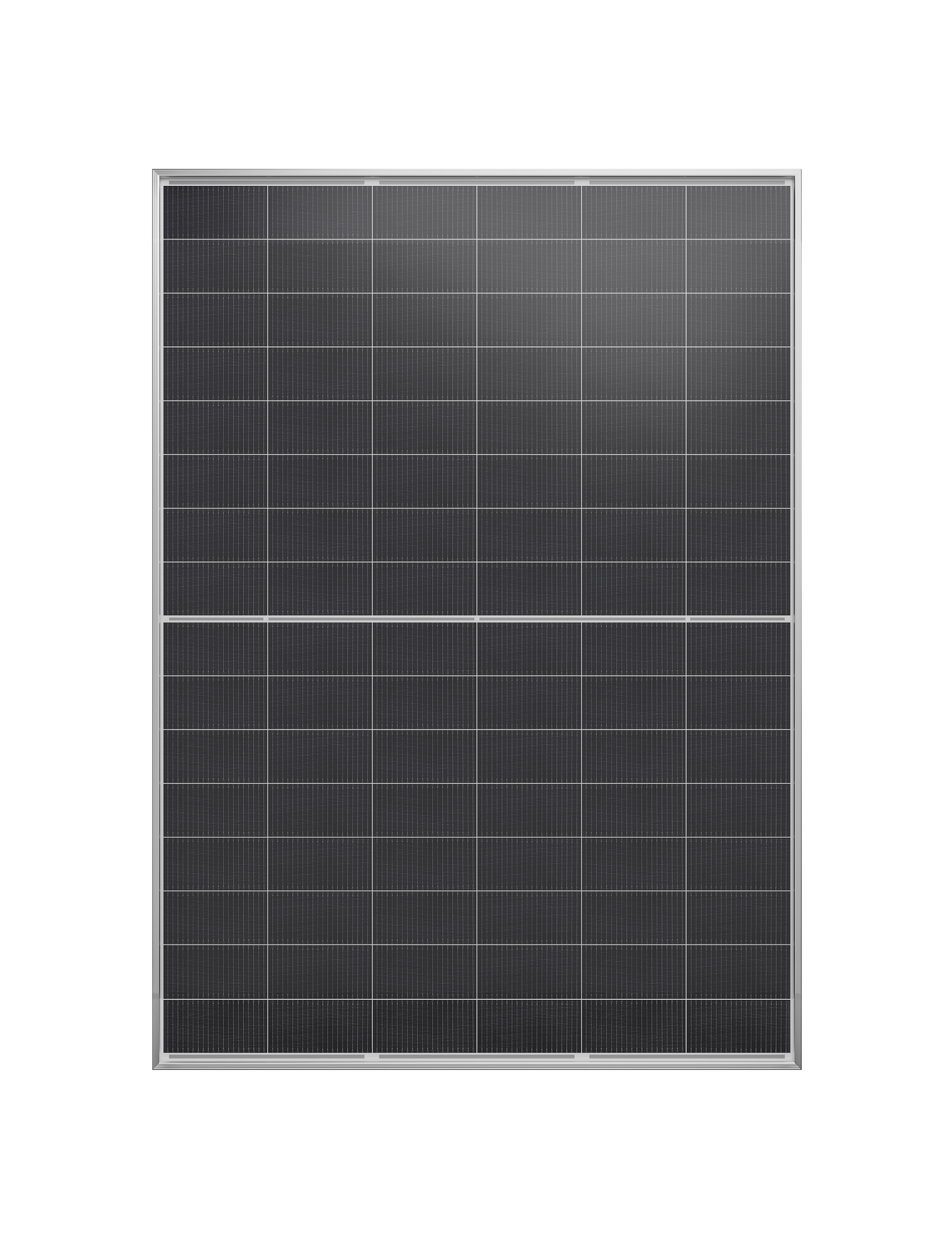
Jinko Tiger Neo 3.0
A 475 W N-type TOPCon panel from Jinko's Tiger Neo 3.0 range, sized at 1762 x 1134 mm for home roofs. It has glass on both sides but generates from the front only, with a 25-year product and 30-year performance warranty in Australia.
$172 From $150 including GST Save 13%
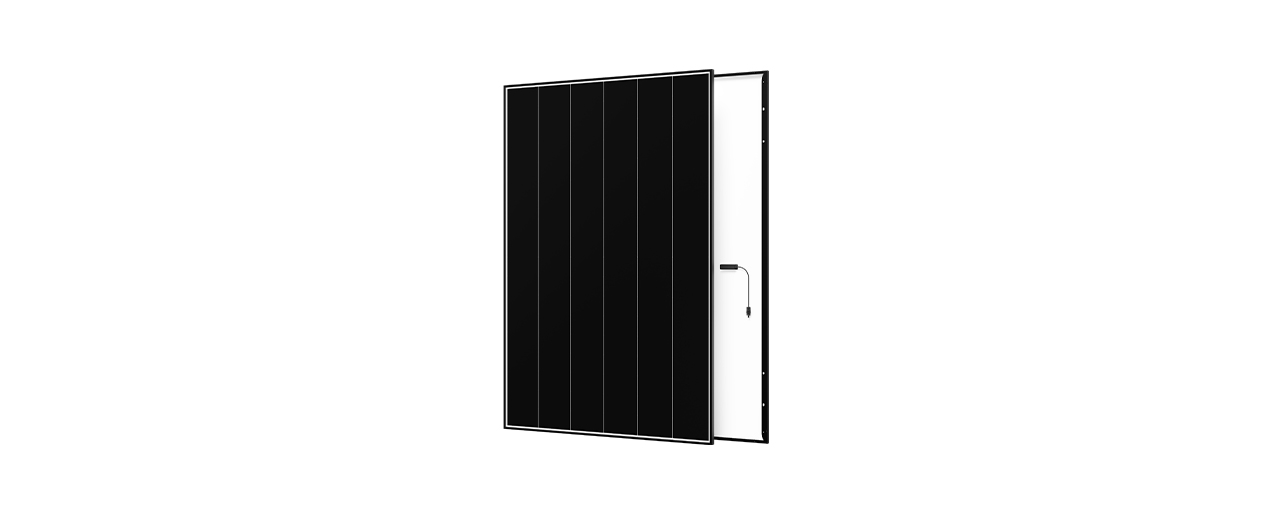
AIKO Neostar 3P54
The AIKO Neostar 3P54 490 W uses back-contact cells, so there are no metal lines on the front and the panel looks clean with a black frame. At 24.5% efficiency it fits 490 W into a standard 1762 x 1134 mm size.
$219 From $209 including GST Save 5%
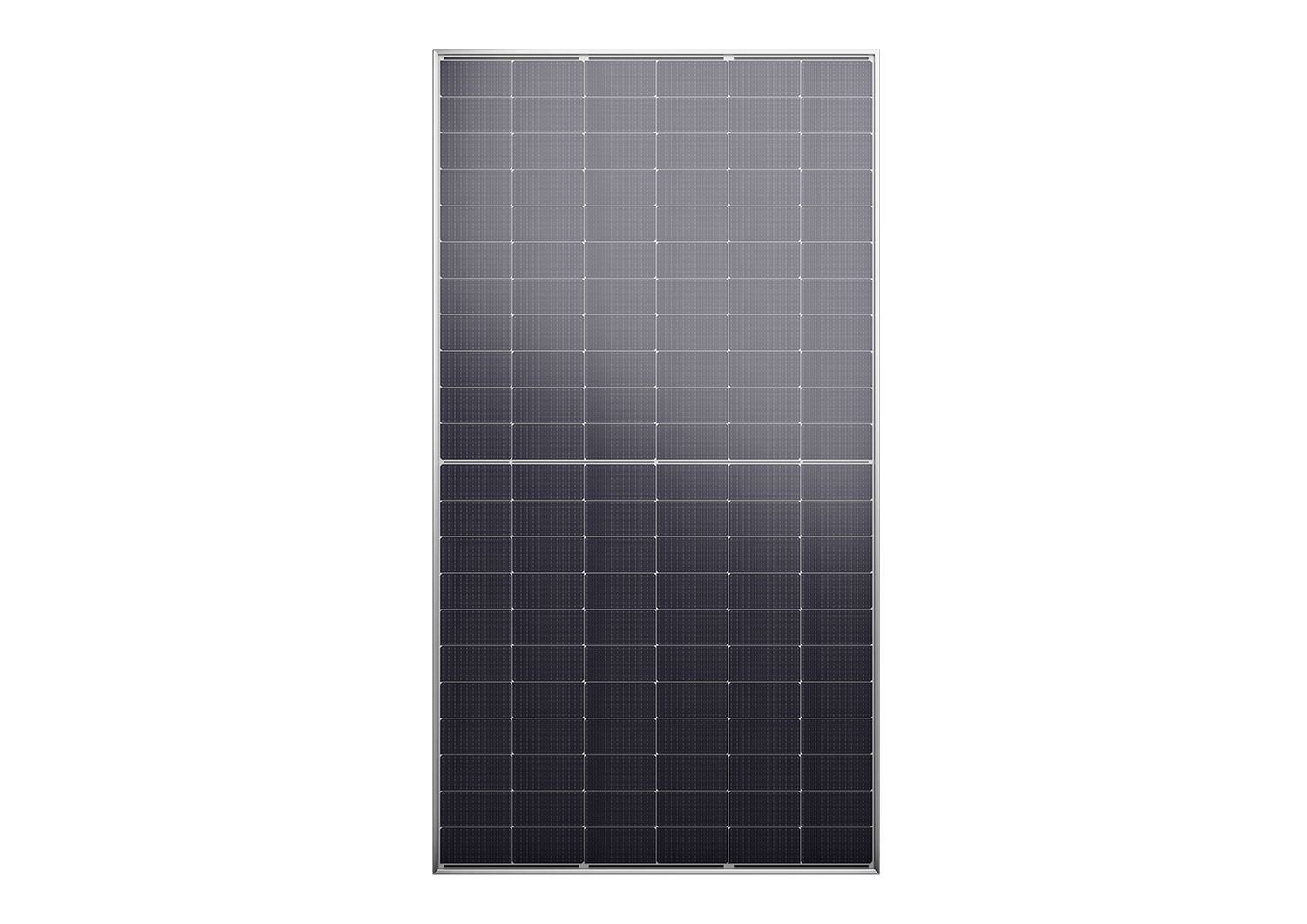
Jinko Tiger Neo 595 W bifacial
A large-format 595 W N-type TOPCon panel with glass on both sides, so it can add output from light reflected onto its back. It is bigger and heavier than a typical home panel, with a 12-year product warranty and a 30-year performance warranty.
From $152 including GST
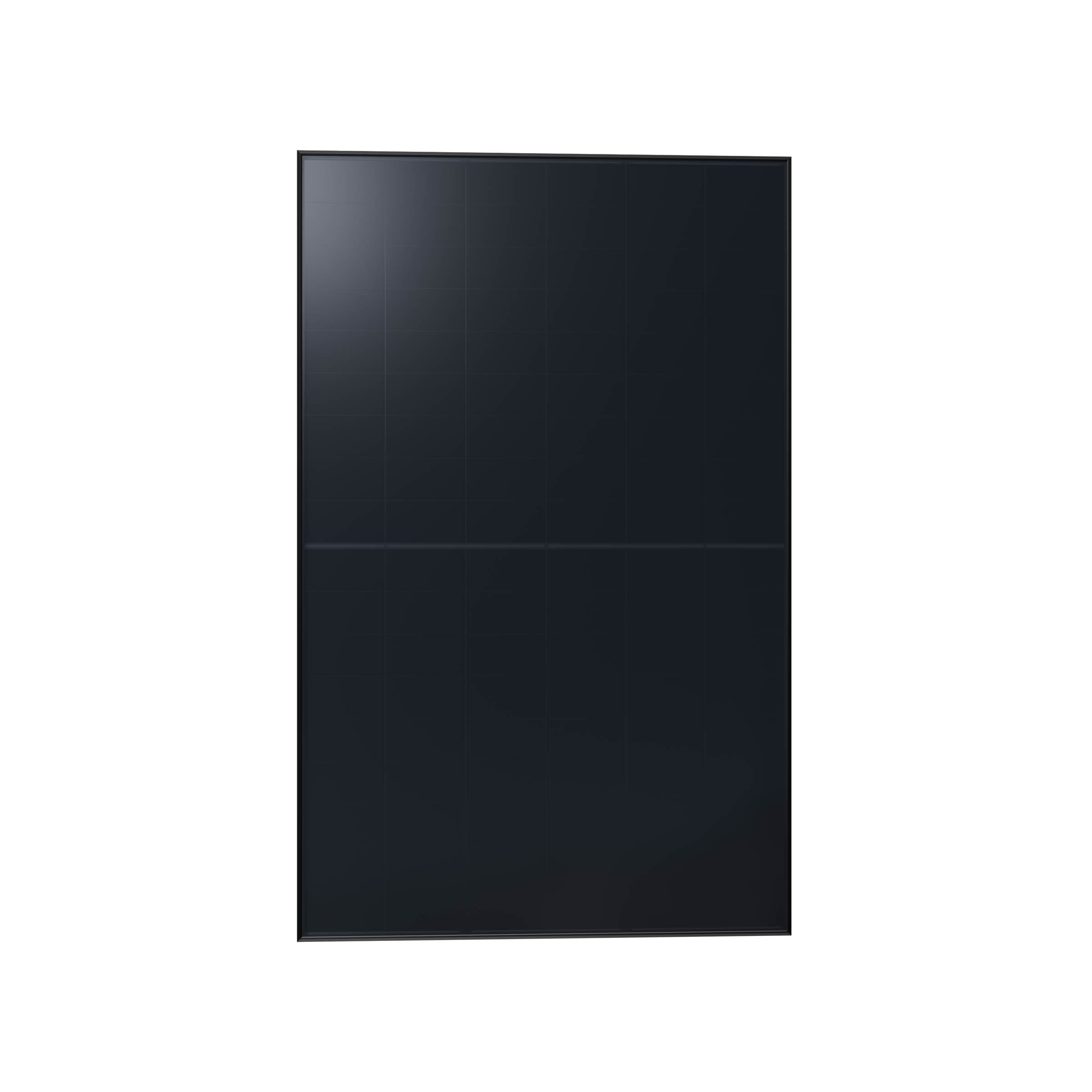
WINAICO WBC Ultra Black
A 485 W all-black panel with glass on both sides, using N-type back-contact cells, so there are no metal lines on the front. It carries a 30-year product warranty and a 30-year performance warranty from WINAICO's Sydney-based Australian company.
$275 From $213 including GST Save 23%
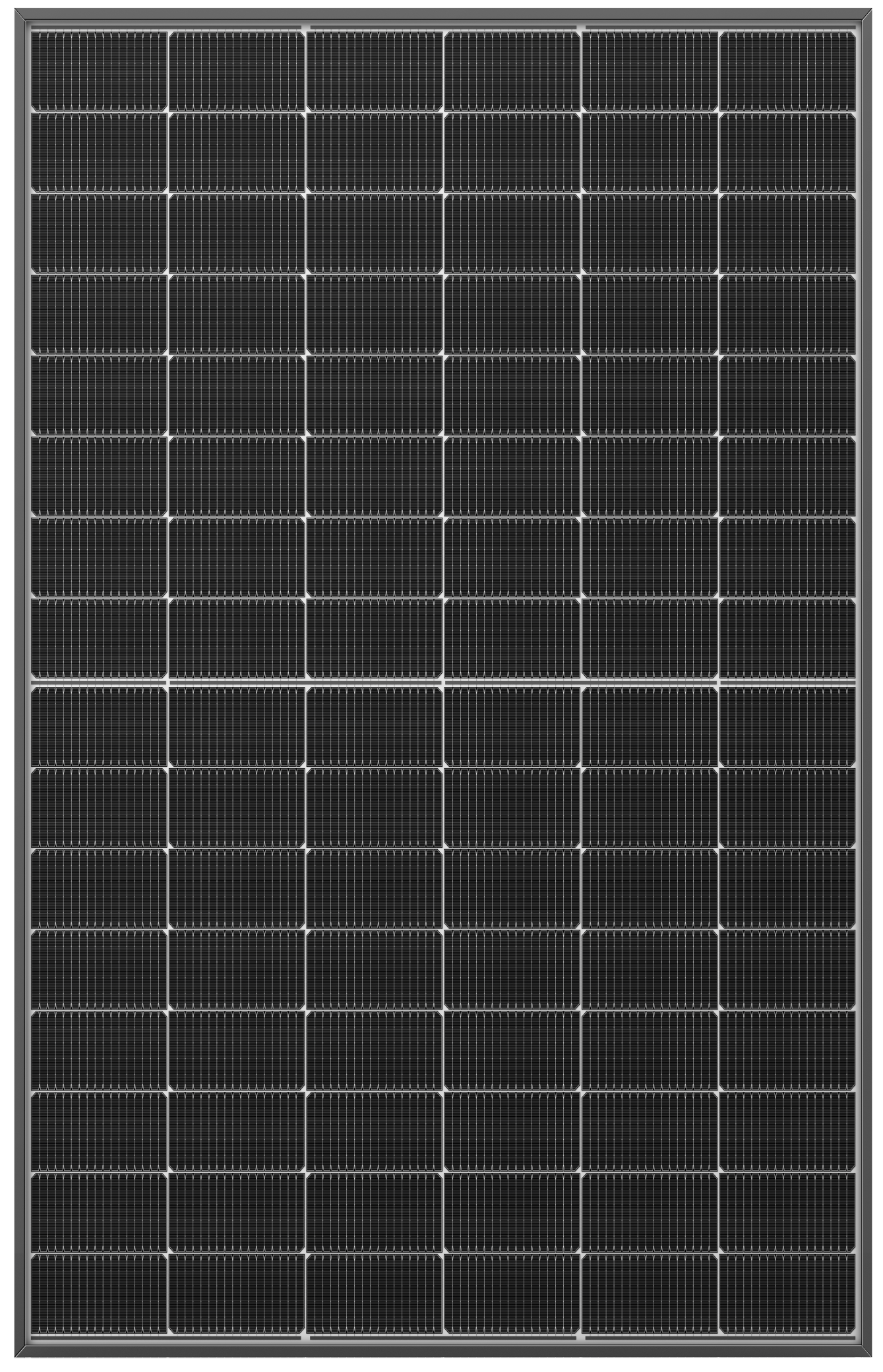
Risen N-type TOPCon 475 W
A 475 W N-type TOPCon panel with glass on both sides and a black frame, in a standard 1762 x 1134 mm home size. It can gain some output from its rear side, with a 25-year product warranty for rooftop installs and a 30-year performance warranty from Risen's Australian company.
$147 From $118 including GST Save 20%
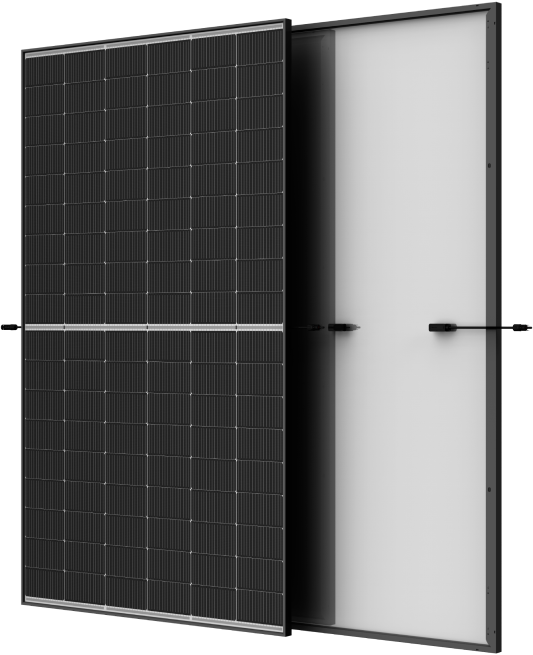
Trina Vertex S+ dual-glass panel
Trina's Vertex S+ N-type dual-glass home panel from 450 W to 515 W, 30 mm frame, with a 25-year warranty. All-black, black-frame and silver-frame versions.
From $155 including GST
Trina Vertex S+ G3 dual-glass panel
The third-generation Trina Vertex S+ N-type dual-glass panel at 505 W and 510 W, black frame, with a 15-year warranty.
From $191 including GST
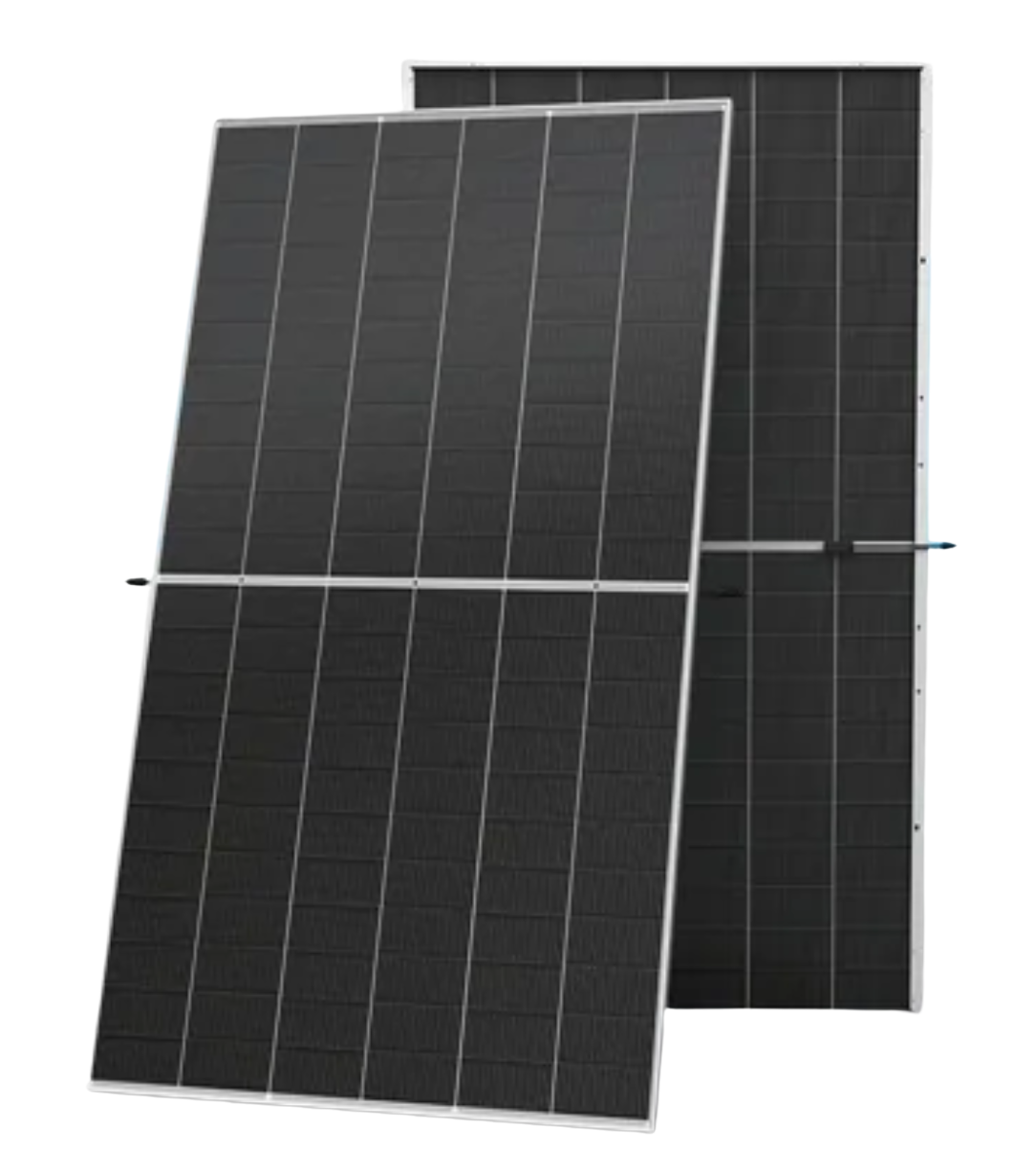
Trina Vertex N commercial panel
Trina's large-format Vertex N i-TOPCon panel at 620 W to 630 W, silver frame, with a 12-year warranty, for commercial roofs and ground mounts.
From $195 including GST
Trina Vertex 575 W commercial panel
Trina's 575 W Vertex PERC panel with a silver 30 mm frame, for commercial roofs and ground mounts.
From $150 including GST
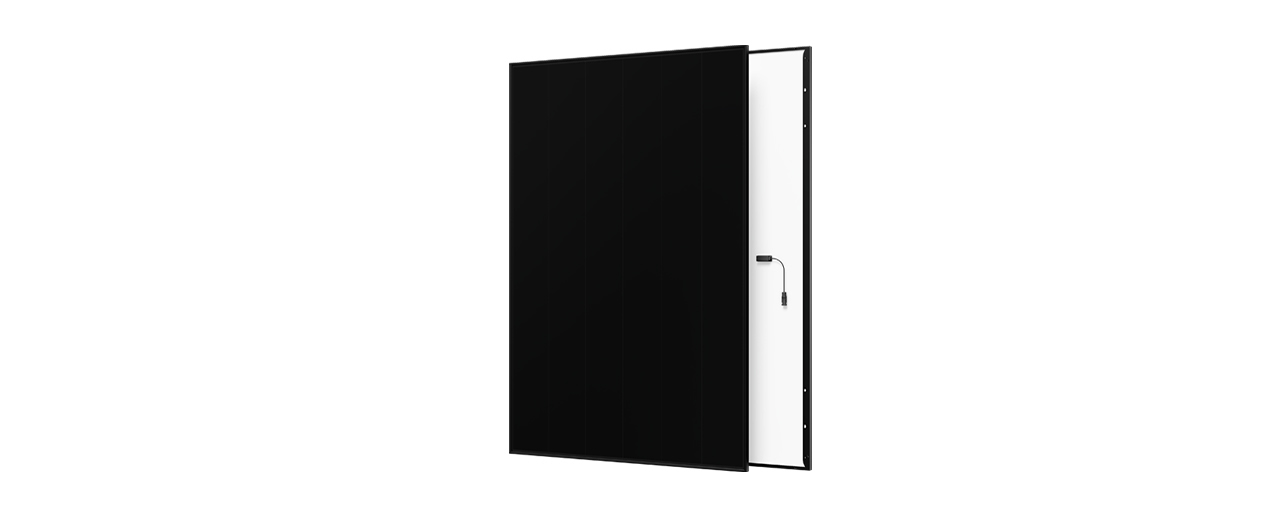
AIKO Neostar 3S54 all-black panel
AIKO's all-black-front back-contact (ABC) N-type panel at 485 W to 495 W, with a 25-year warranty. The 3S+54 is the dual-glass version.
From $213 including GST
AIKO Neostar 2P panel
AIKO's 475 W back-contact (ABC) N-type panel with a black frame and a 25-year warranty.
From $183 including GST
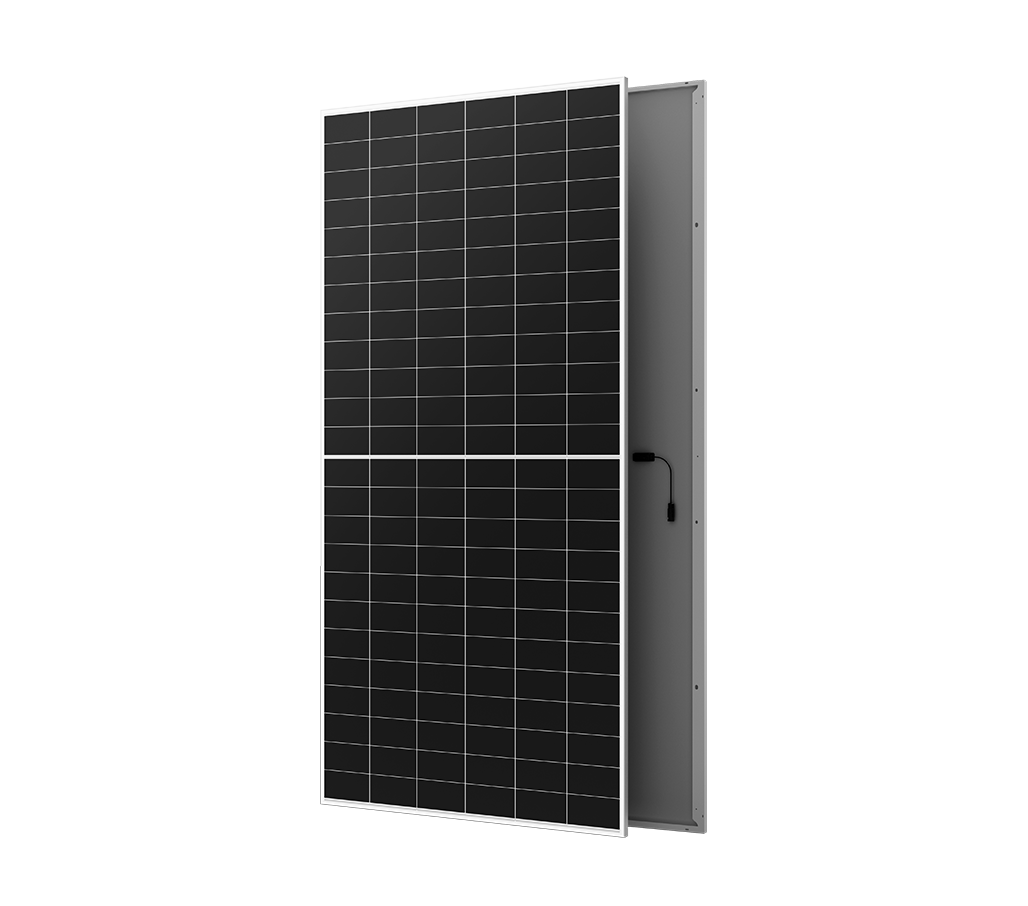
AIKO Comet commercial panel
AIKO's large-format back-contact (ABC) Comet panel from 650 W to 675 W, silver frame, with a 15-year warranty, for commercial roofs and ground mounts.
From $206 including GST
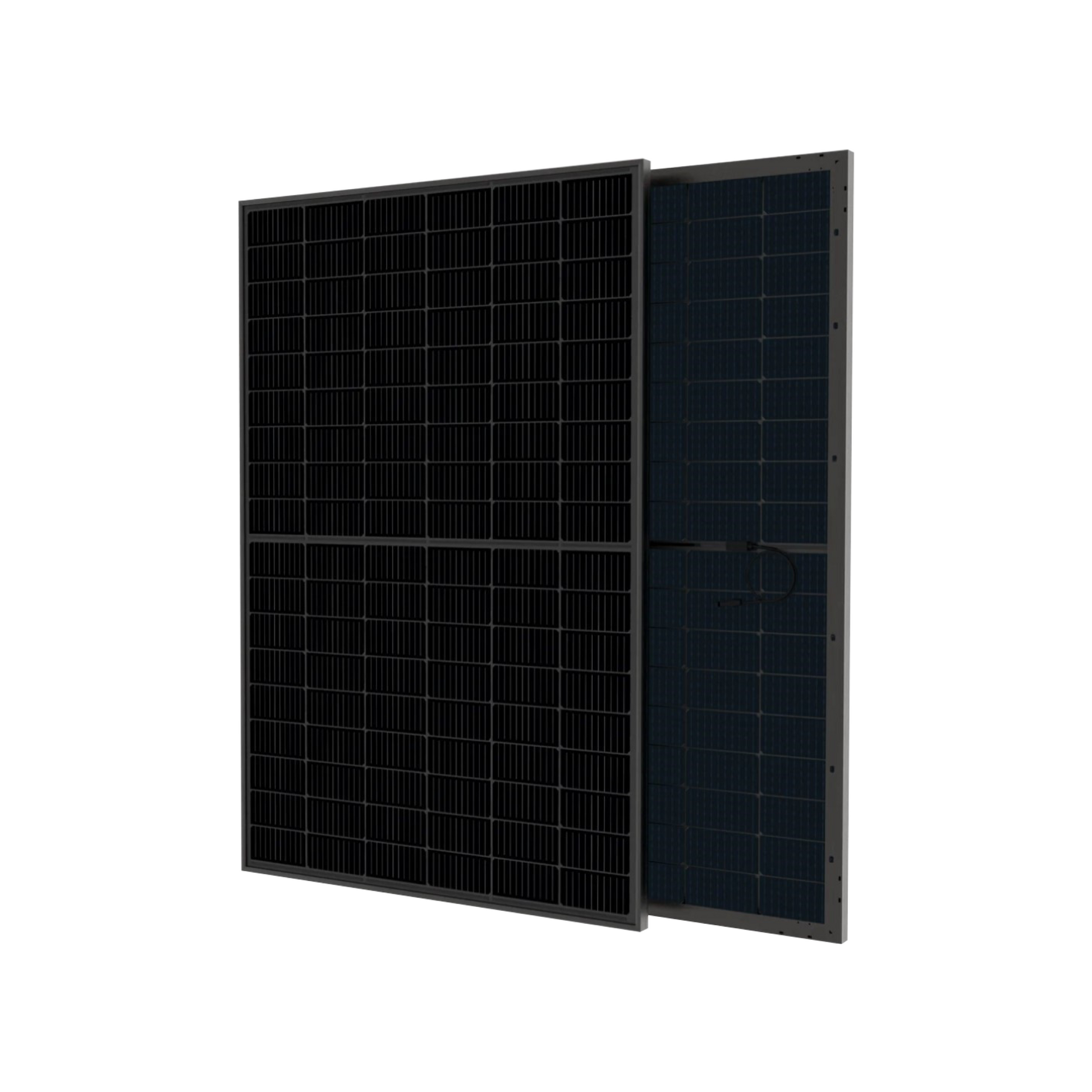
Talesun N-type panel
Talesun's N-type home panels with a 25-year warranty: a 450 W bifacial panel and back-contact (BC) panels at 475 W (all black) and 490 W.
From $142 including GST
Sungrow 470 W bifacial panel
Sungrow's 470 W N-type bifacial panel with a black 30 mm frame and a 25-year warranty.
From $155 including GST
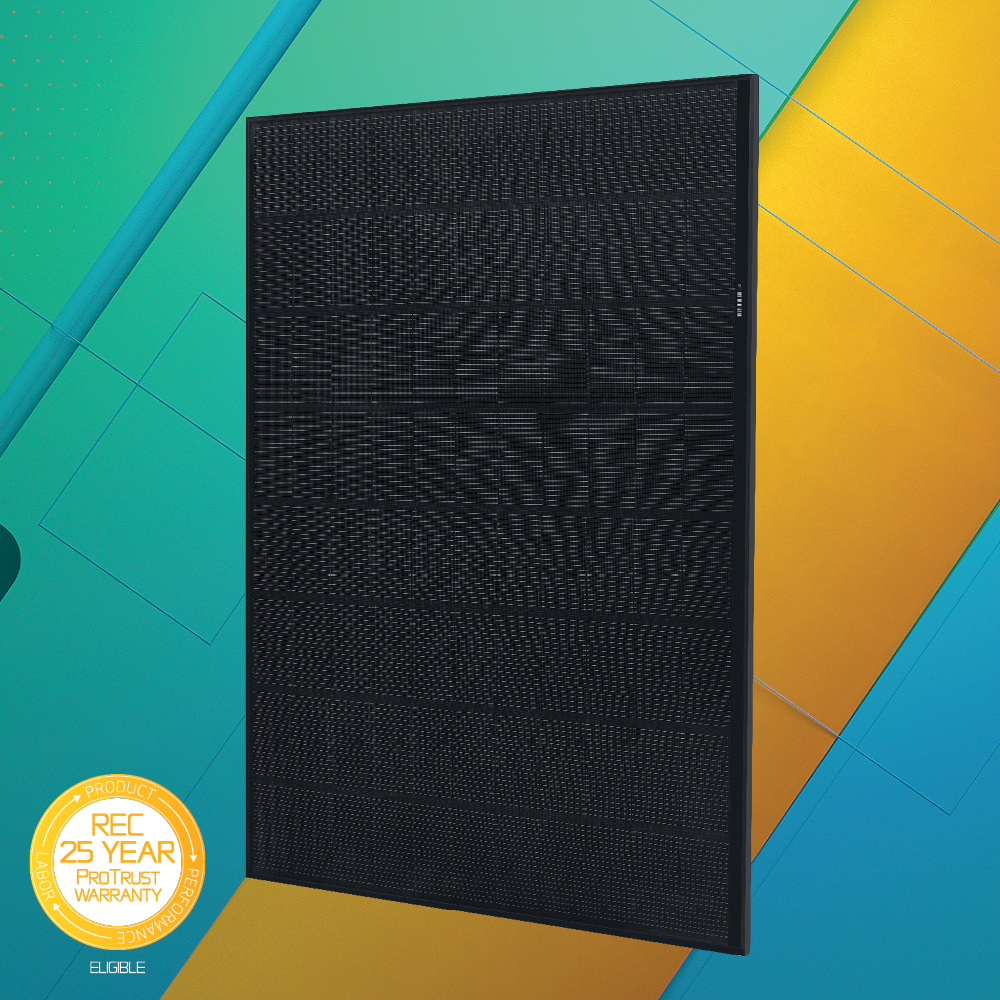
REC Alpha Pure panel
REC's all-black N-type half-cell panels: the Alpha Pure-R at 420 W and the Alpha Pure-RX at 470 W and 475 W.
From $156 including GST
Inverters 31
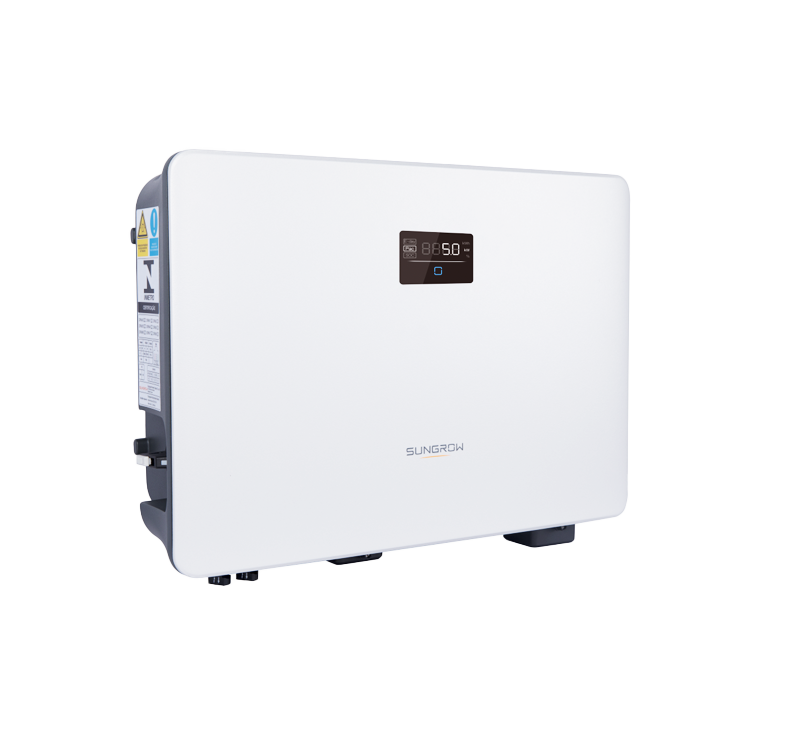
Sungrow SH-RS hybrid inverter
A single-phase inverter that runs your solar panels and a Sungrow high-voltage battery from one box, switching to backup in under 10 milliseconds when the grid drops. The 8 and 10 kW models add a 63 A bypass for whole-home backup.
From $2,399 including GST
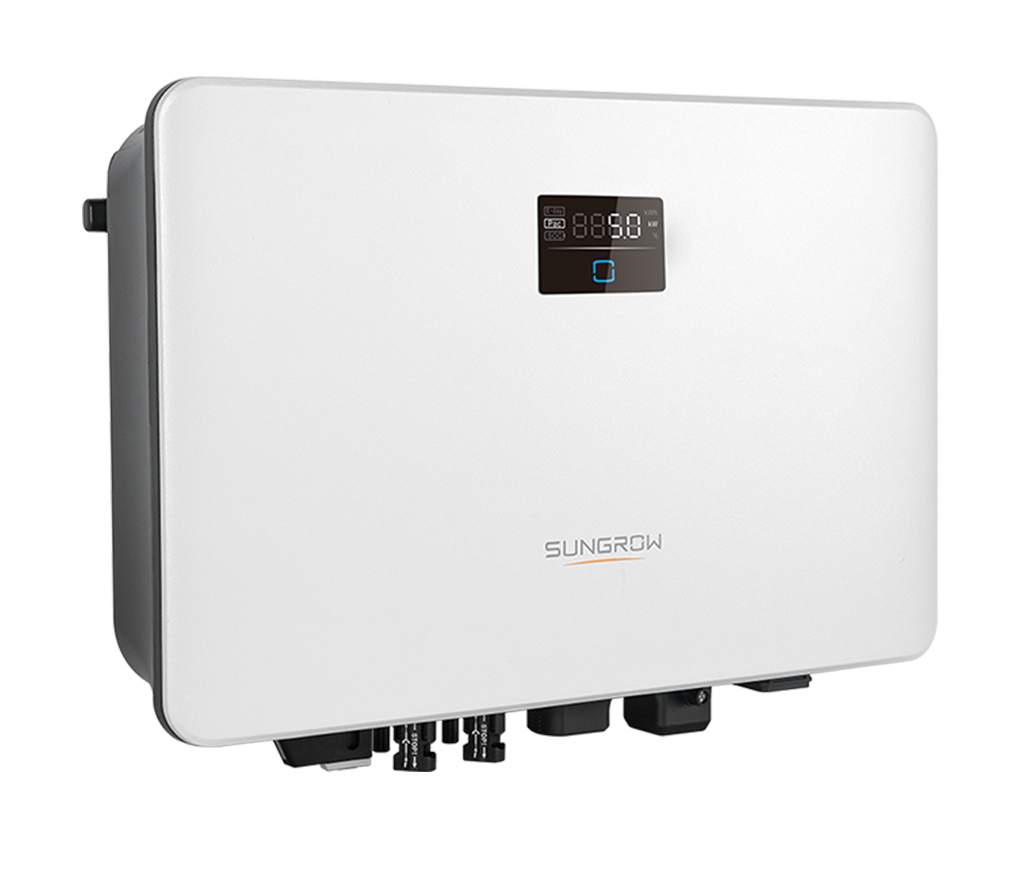
Sungrow SG-RS solar inverter
A single-phase solar-only inverter that turns your panels' power into household power. It has three separate panel inputs, so it handles roofs where panels face different directions, but it has no battery connection.
From $956 including GST
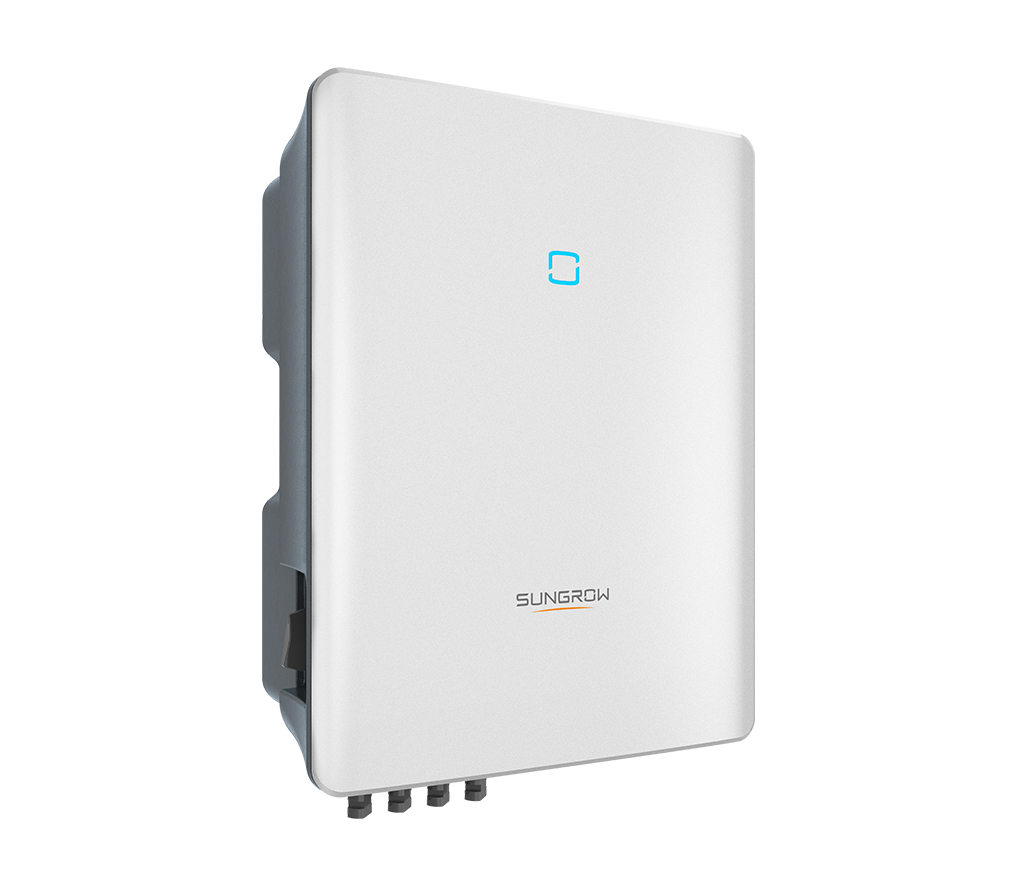
Sungrow SG-RT three-phase solar inverter
A compact three-phase solar-only inverter that spreads output evenly across all three phases. At 18 kg it is light, with two panel inputs and no battery connection.
From $1,781 including GST
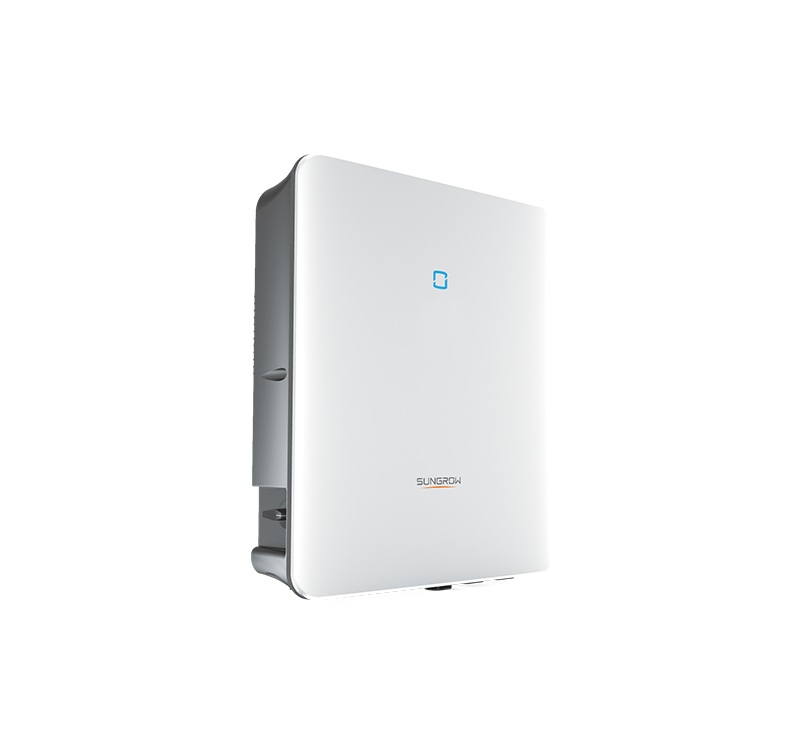
Sungrow SH10RT three-phase hybrid
A quiet three-phase hybrid that manages solar, a Sungrow battery and a backup circuit for essential loads. In an outage it keeps backed-up circuits running on all three phases, including unbalanced loads.
From $4,114 including GST
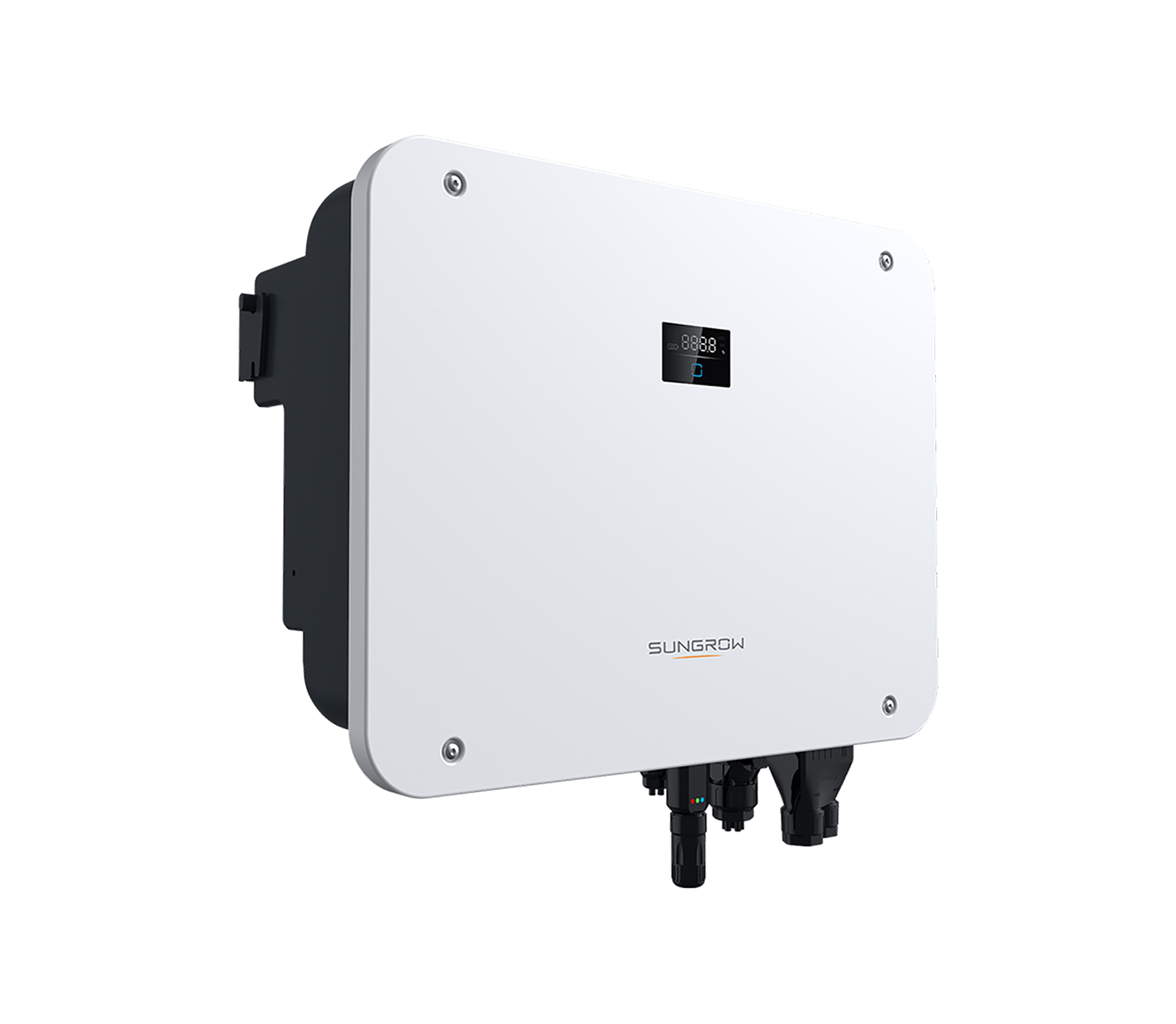
Sungrow SH-T three-phase hybrid
A large three-phase hybrid that can back up the whole home through a built-in 63 A bypass, switching over in under 10 ms. It accepts up to double its rated power in solar panels.
From $3,843 including GST
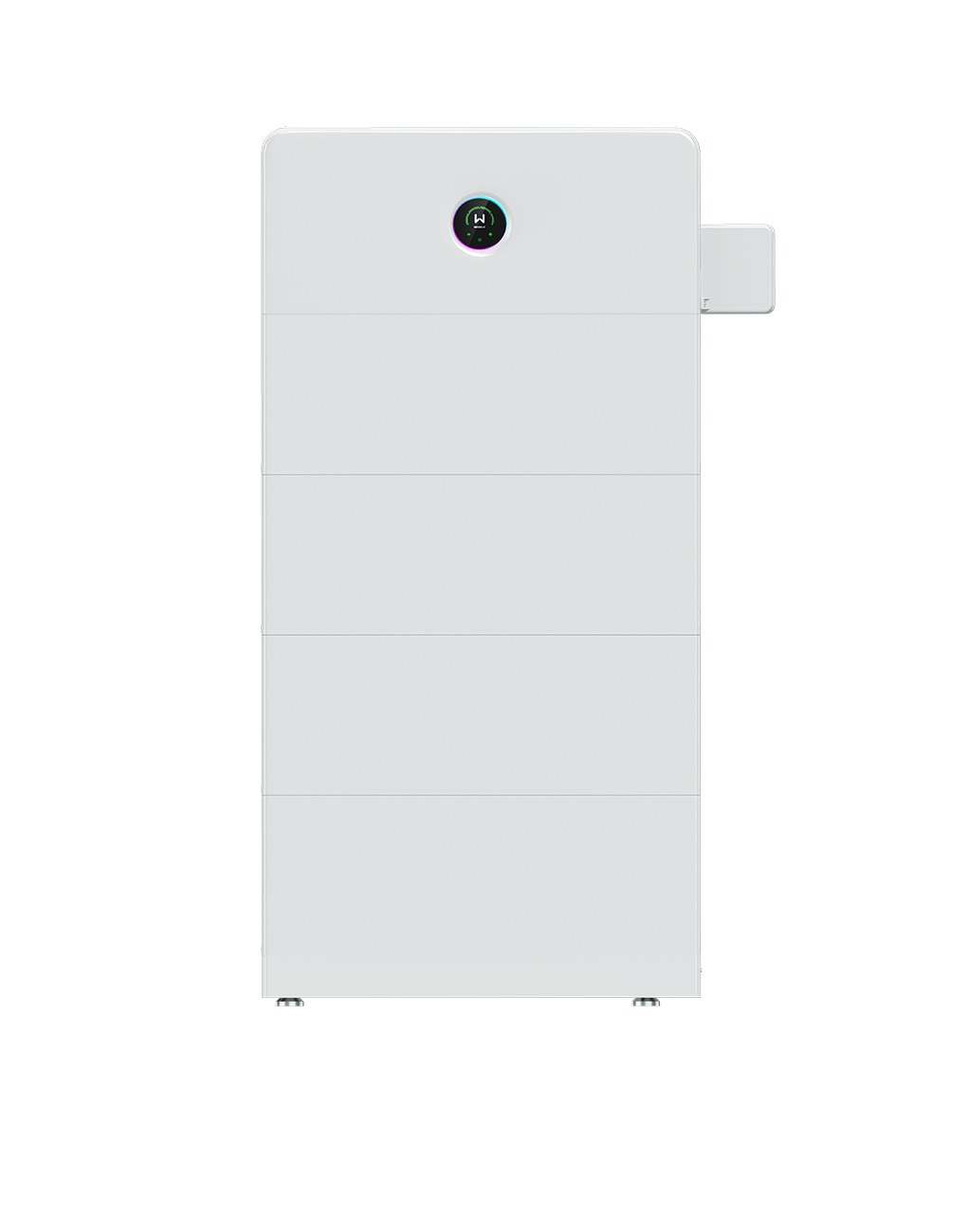
GoodWe ESA three-phase hybrid (ETA)
The inverter module of GoodWe's stackable ESA all-in-one system, which pre-wires the inverter and battery modules together. It backs up the whole home through an internal bypass and switches over in under 4 milliseconds.
From $2,377 including GST
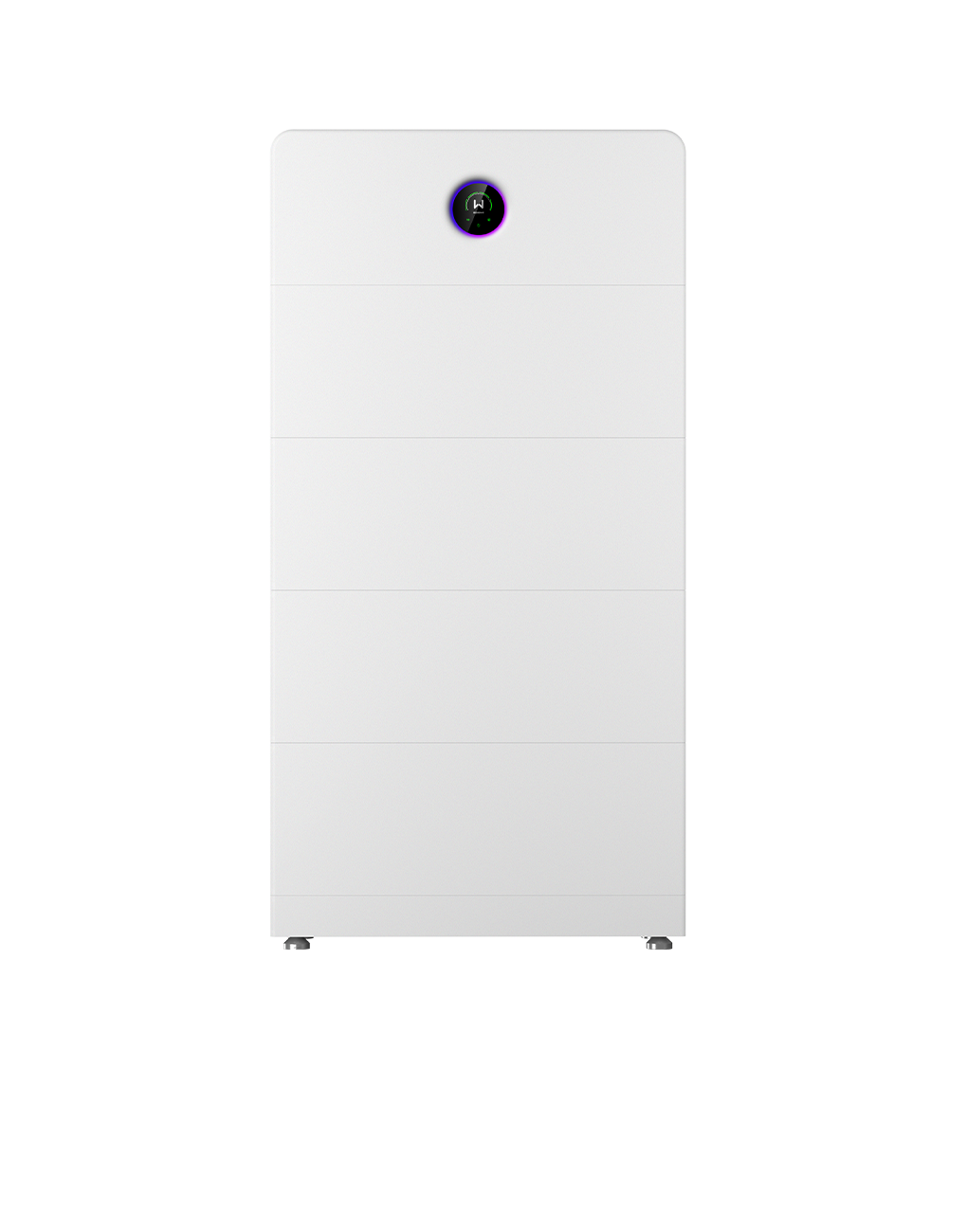
GoodWe ESA single-phase hybrid (EHA)
A fanless single-phase all-in-one inverter that stacks with GoodWe battery modules in one pre-wired unit. It can back up the whole home, switching over in under 4 ms, without a separate gateway.
From $1,532 including GST
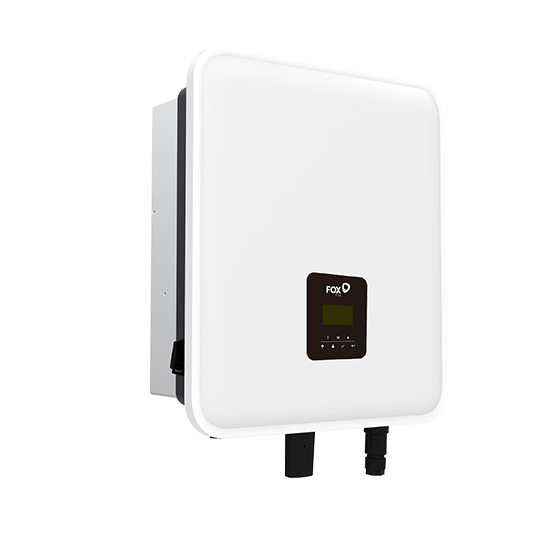
FoxESS KH hybrid inverter
A single-phase hybrid that runs solar and a FoxESS high-voltage battery, and powers backed-up circuits in an outage. It switches over in under 10 ms and is very quiet.
From $2,269 including GST
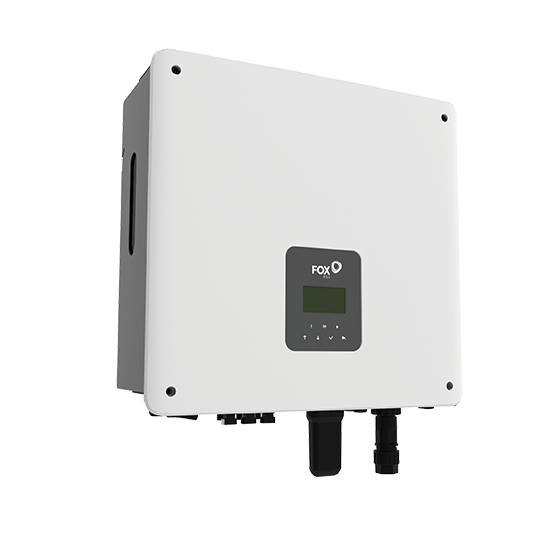
FoxESS H1 G2 hybrid inverter
A compact 5 kW single-phase hybrid for solar plus a FoxESS battery, with a backup outlet circuit. It is light at 22 kg and easy to wall-mount.
From $1,444 including GST
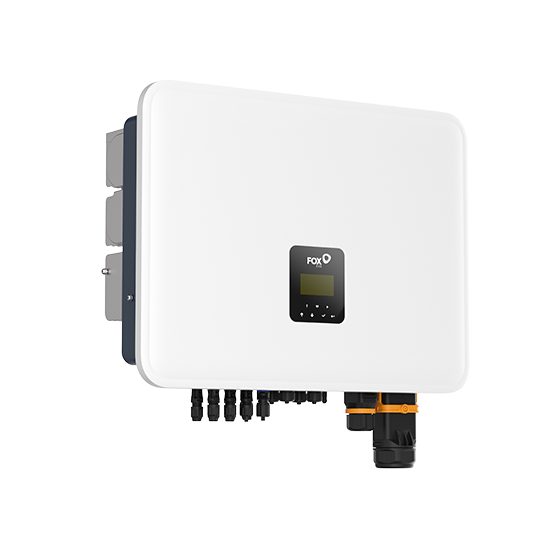
FoxESS H3 Smart three-phase hybrid
A three-phase hybrid that pairs solar with FoxESS high-voltage batteries and keeps backed-up circuits running in an outage. It handles solar arrays up to 200% of its rating.
From $2,338 including GST
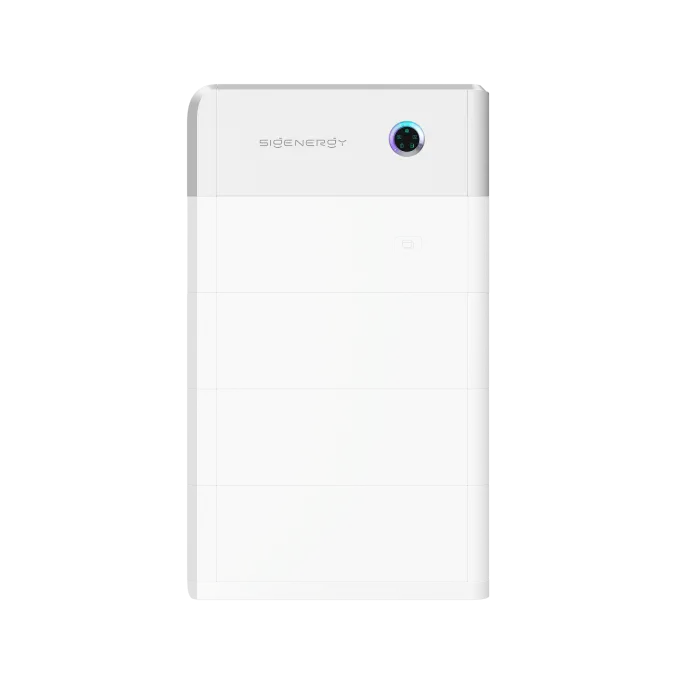
Sigenergy SigenStor energy controller, single phase
The energy controller is the hybrid inverter at the base of every SigenStor system. It runs your solar panels and the SigenStor battery modules stacked on it.
From $1,847 including GST
Sigenergy SigenStor energy controller, three phase
The energy controller is the hybrid inverter at the base of every SigenStor system. It runs your solar panels and the SigenStor battery modules stacked on it.
From $3,163 including GST
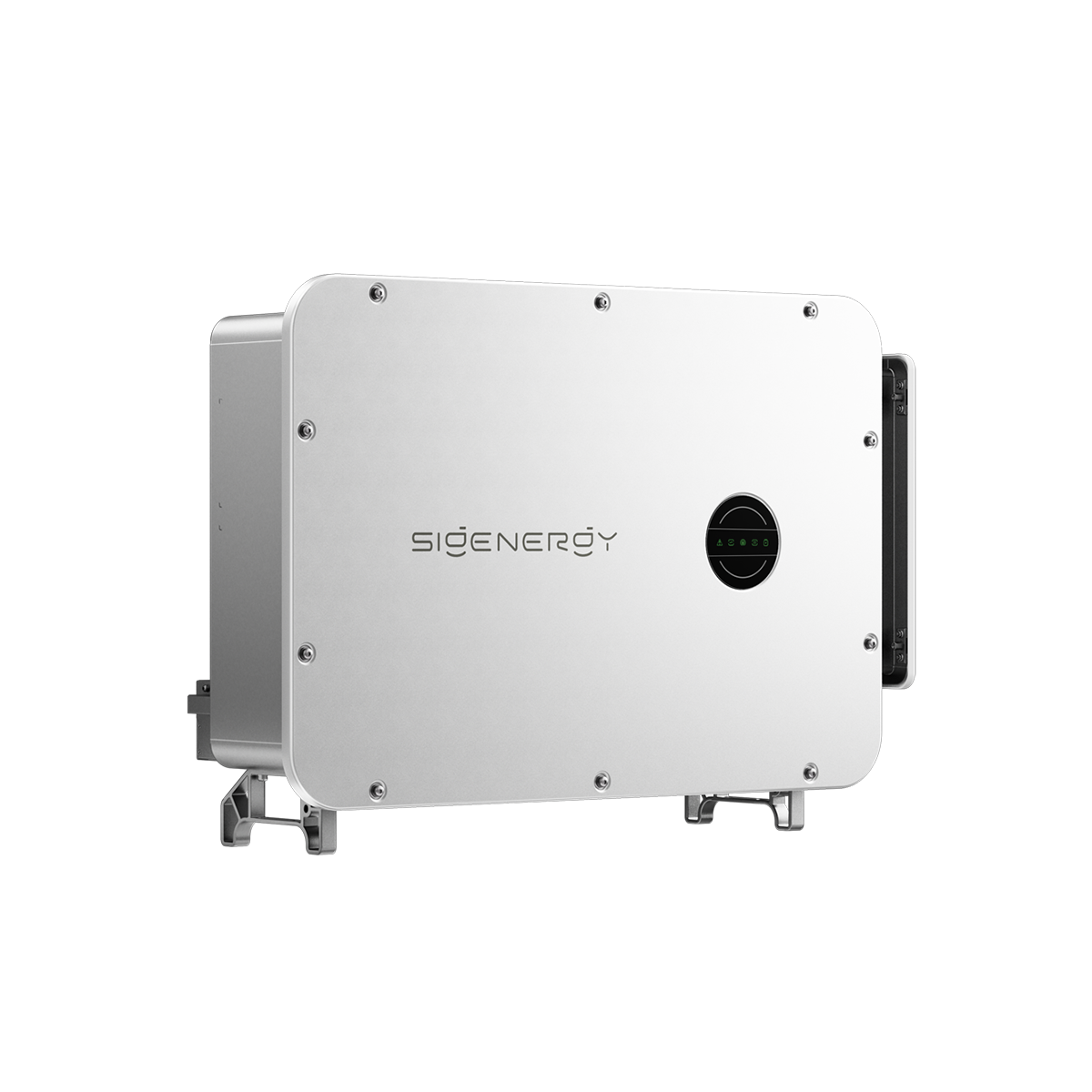
Sigen PV M1 hybrid inverter
A three-phase commercial hybrid inverter from 50 kW to 125 kW, ready for a SigenStack battery. Four MPPT on the 50 kW model and eight on the larger ones, IP66. This series has no backup port: for backup, see the PV M1 hybrid inverter with backup.
From $6,721 including GST
Sigen PV M1 hybrid inverter with backup
The HYB version of the commercial hybrid inverter: 50 kW to 110 kW, three phase, with a backup load port and seamless switchover so the site keeps running on and off grid, ready for a SigenStack battery. Up to eight MPPT, IP66.
From $10,990 including GST
Sigen PV M1 solar inverter
A three-phase commercial solar inverter from 50 kW to 125 kW, for solar without a battery. Four MPPT on the 50 kW model and eight on the larger ones, IP66.
From $5,534 including GST
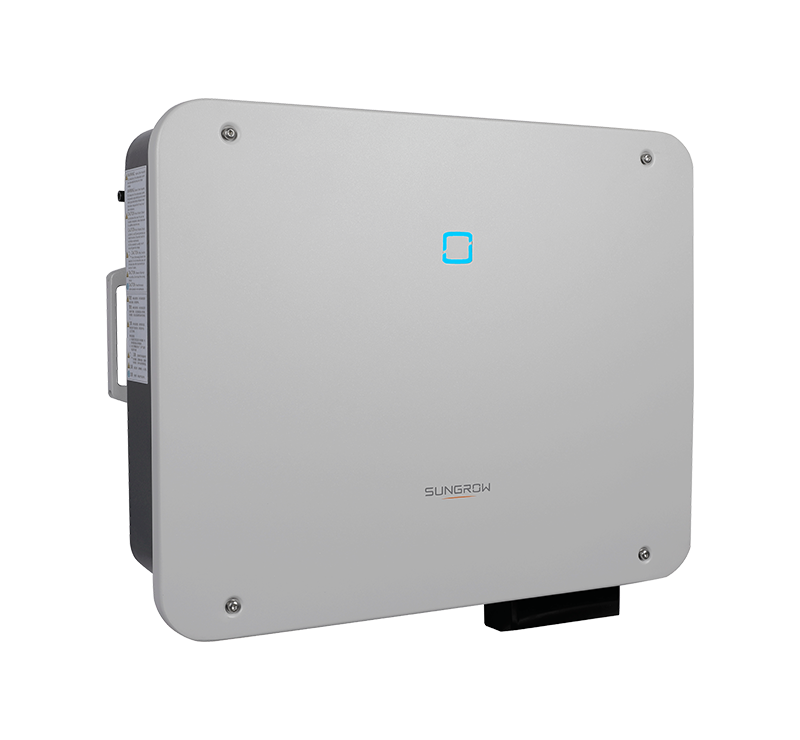
Sungrow SG CX commercial solar inverter
Sungrow's three-phase commercial string inverters from 30 kW to 110 kW, with Wi-Fi and a built-in DC switch. Four MPPT on the 30 and 50 kW models and twelve on the 110 kW.
From $4,469 including GST
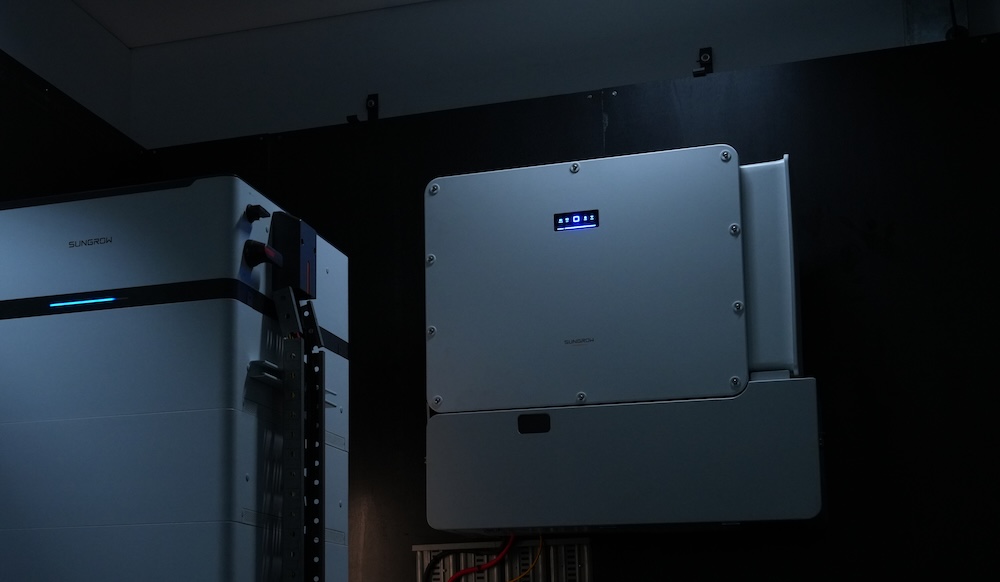
Sungrow SH110CX commercial hybrid inverter
A 110 kW three-phase commercial hybrid inverter from Sungrow with ten MPPT and a built-in DC switch, for business sites that pair solar with a battery.
From $12,643 including GST
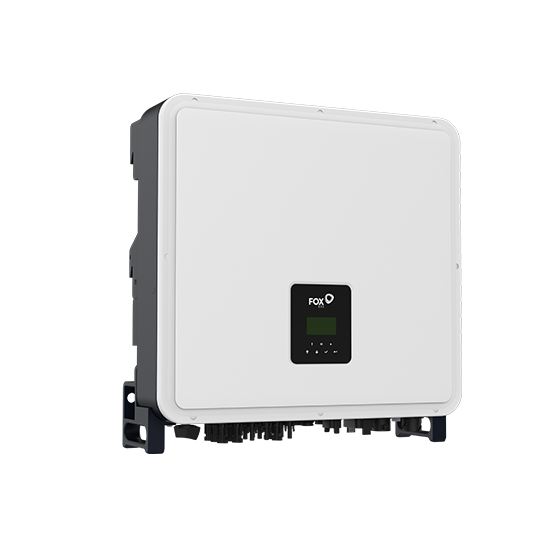
FoxESS H3-Pro three-phase hybrid
FoxESS's larger three-phase hybrid inverter, 15 to 29.9 kW, with three MPPT, Wi-Fi and a smart meter with six CTs in the box.
From $3,161 including GST
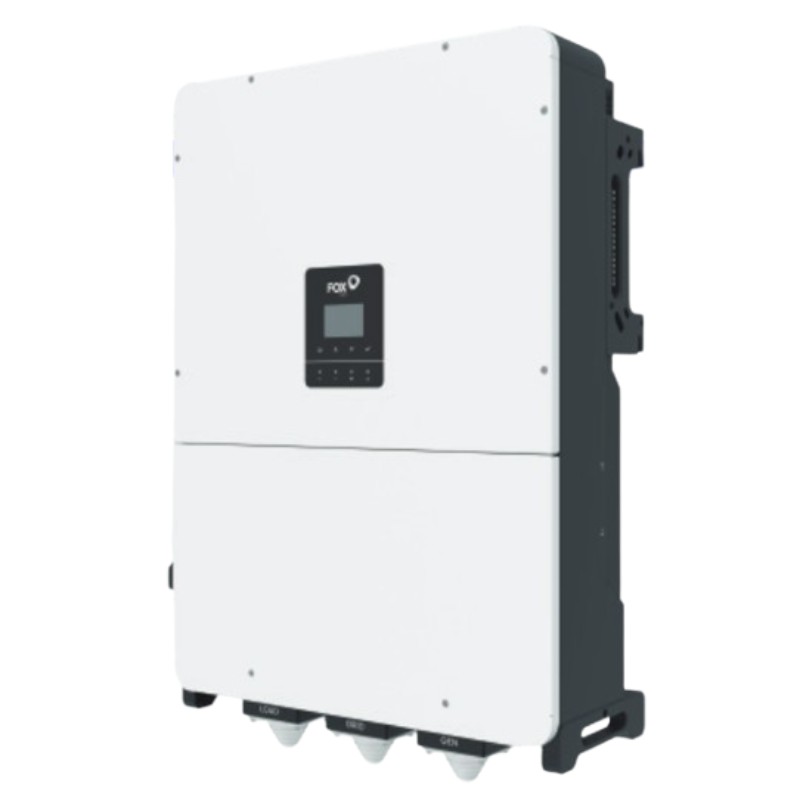
FoxESS H3-Plus commercial hybrid
FoxESS's commercial three-phase hybrid inverter from 50 kW to 100 kW, supplied with Wi-Fi, a meter and three 600 A Rogowski-coil CTs.
From $7,473 including GST
GoodWe GT 110 kW commercial solar inverter
A 110 kW three-phase commercial string inverter from GoodWe with ten MPPT.
From $7,047 including GST
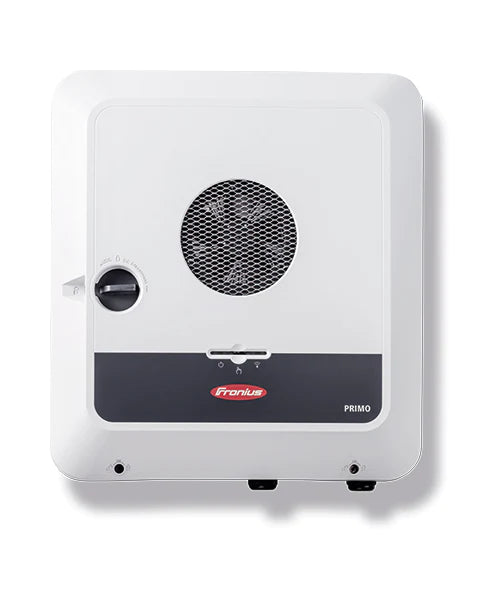
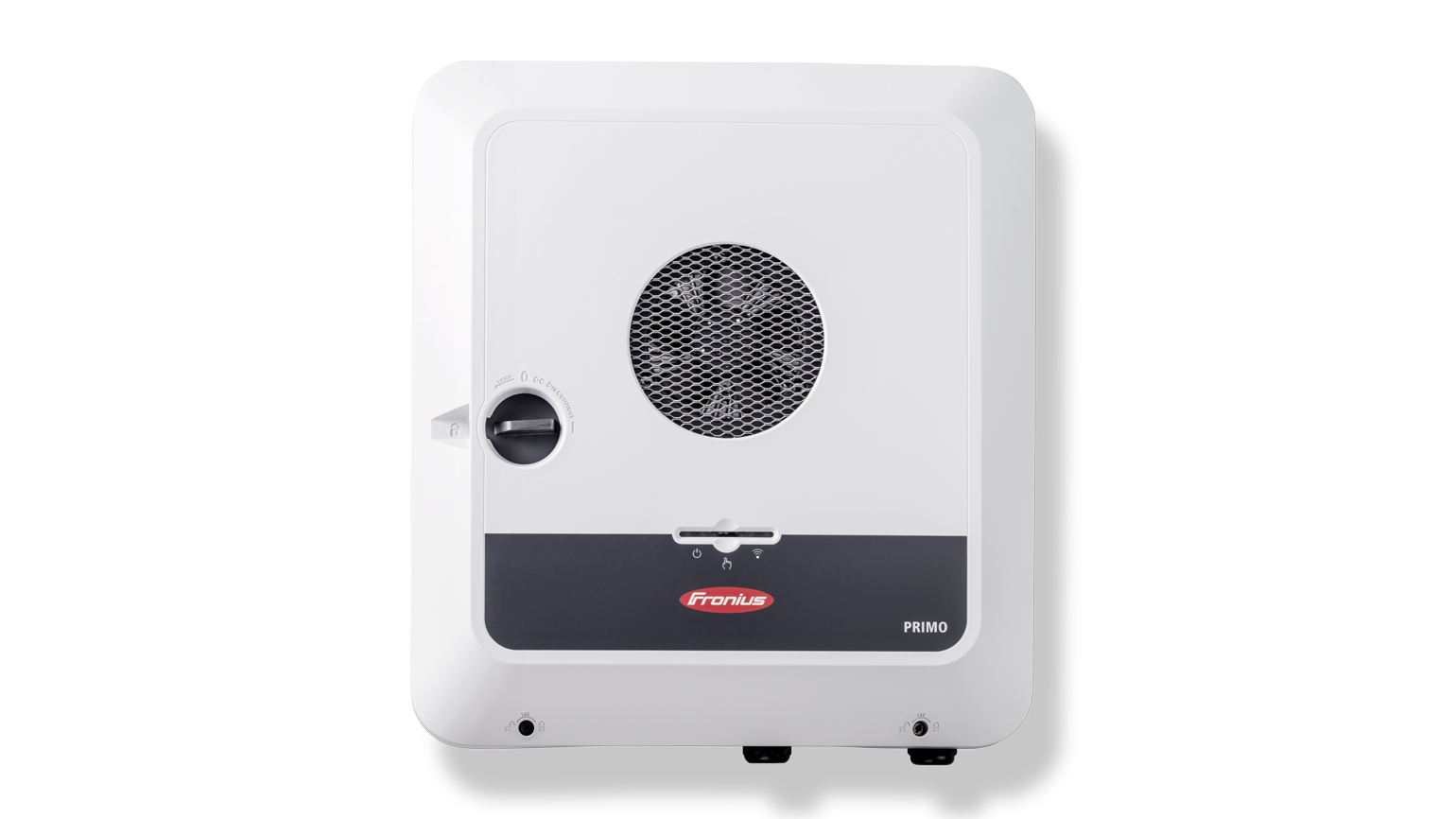
Fronius Primo GEN24 inverter
Fronius's single-phase GEN24 inverter from 3 kW to 10 kW with two MPPT. The SC versions are listed beside the standard ones.
From $1,869 including GST
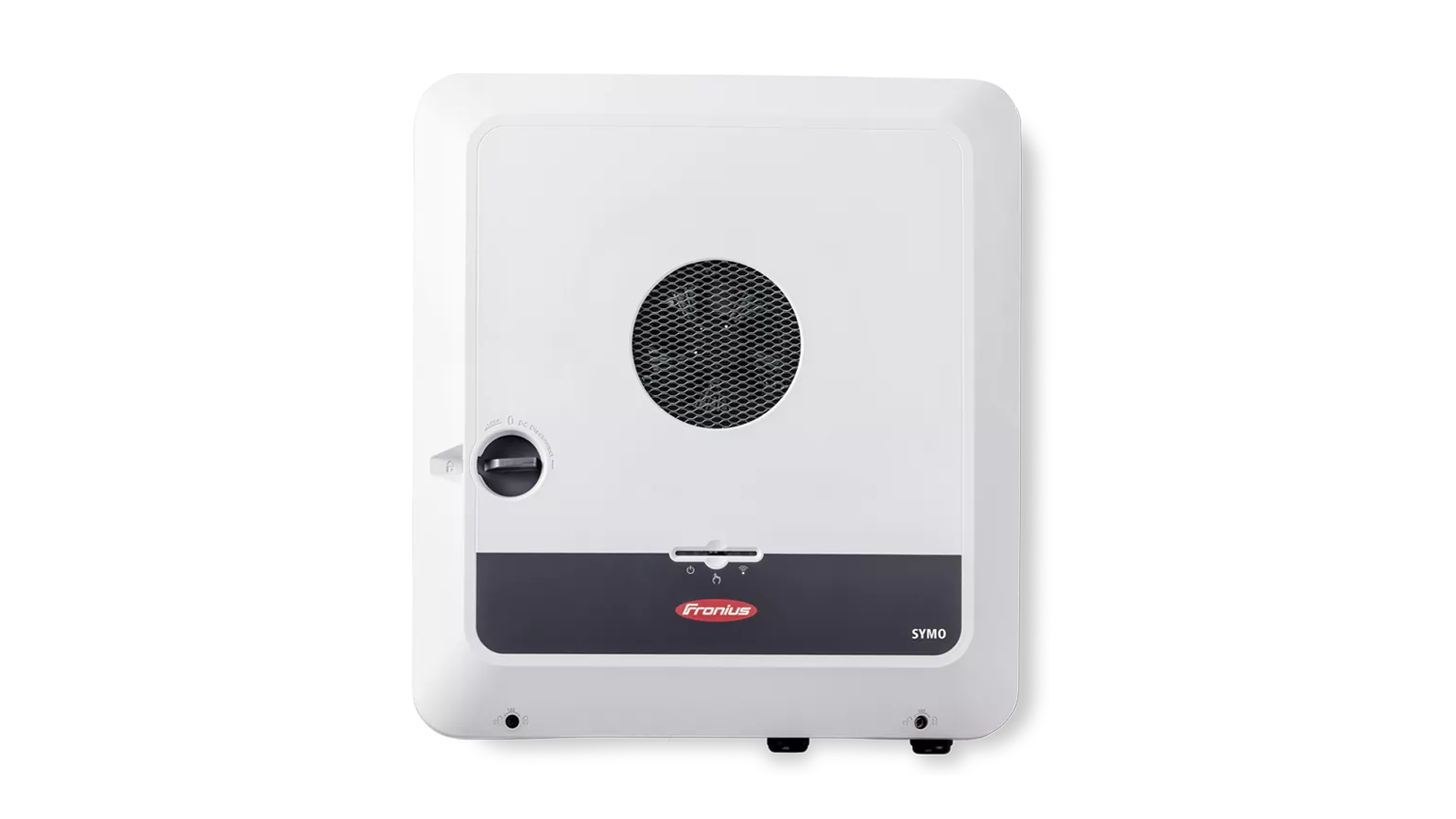
Fronius Symo GEN24 inverter
Fronius's three-phase GEN24 inverter from 5 kW to 12 kW with two MPPT. The SC versions are listed beside the standard ones.
From $2,487 including GST
Fronius Primo GEN24 Plus hybrid inverter
The Plus version of Fronius's single-phase GEN24 inverter, 5 kW to 10 kW with two MPPT, for homes adding a battery.
From $3,147 including GST
Fronius Symo GEN24 Plus hybrid inverter
The Plus version of Fronius's three-phase GEN24 inverter, 5 kW to 12 kW with two MPPT, for homes adding a battery.
From $3,505 including GST
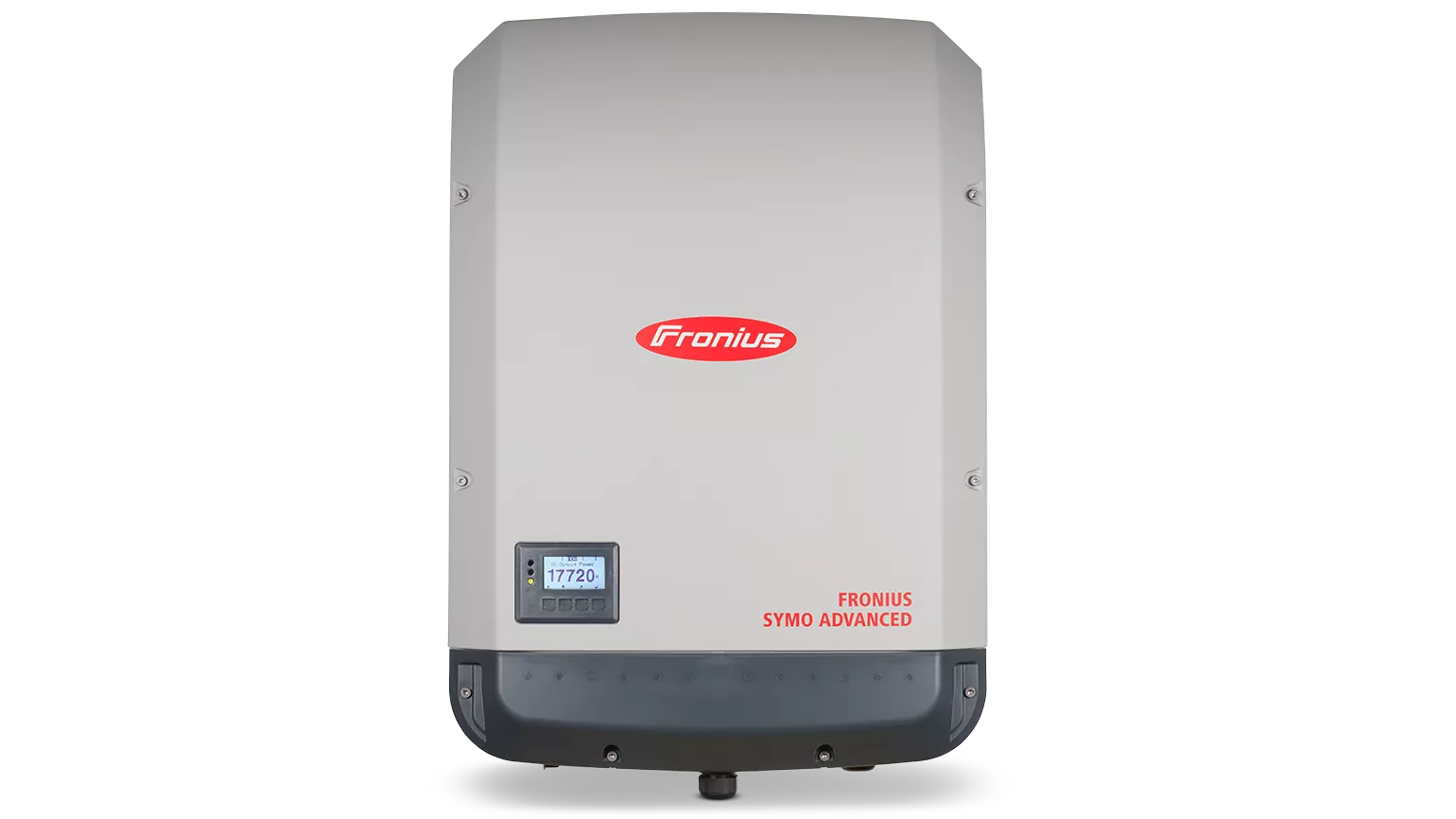
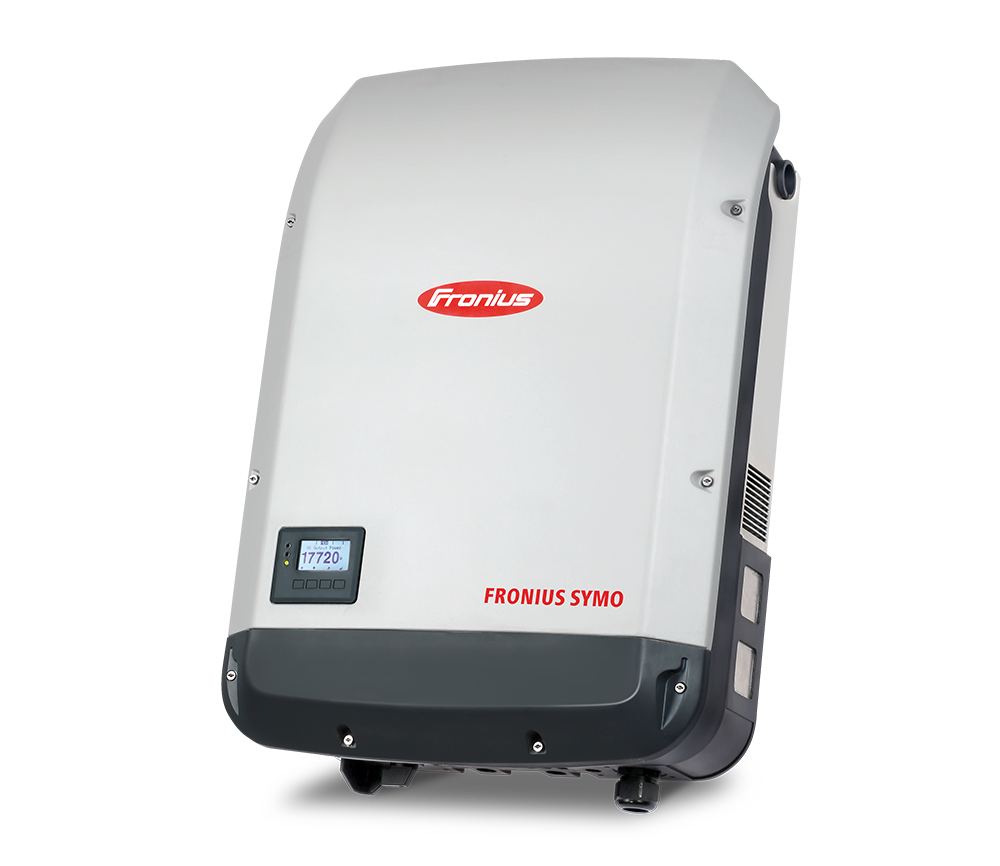
Fronius Symo three-phase solar inverter
Fronius's three-phase solar inverter: the Symo at 5 and 8.2 kW and the Symo Advanced from 10 kW to 20 kW, each with two MPPT.
From $1,265 including GST
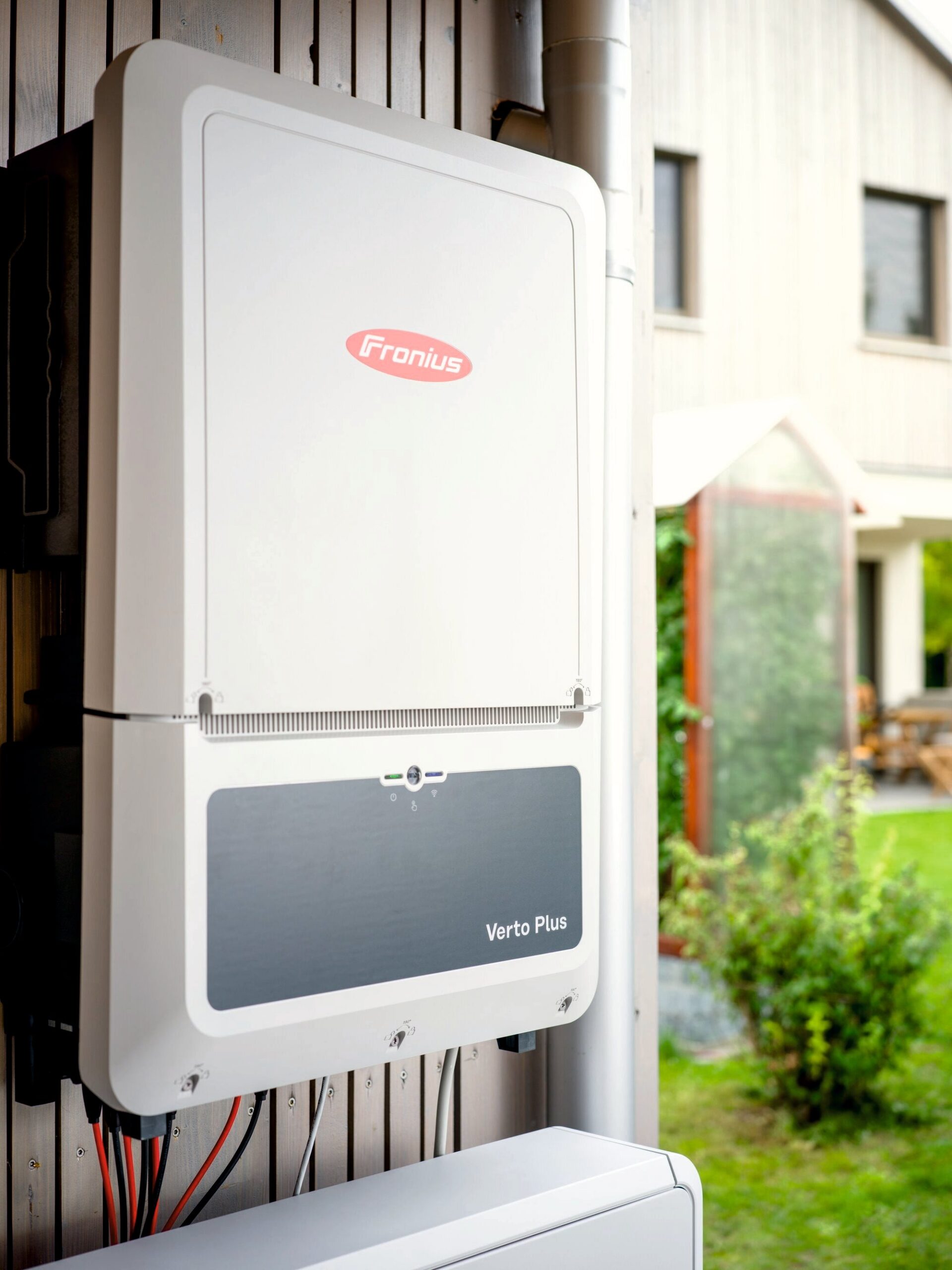
Fronius Verto three-phase solar inverter
Fronius's three-phase Verto inverter from 15 kW to 33.3 kW, with three MPPT up to 25 kW and four from 27 kW, for large homes and businesses.
From $4,943 including GST
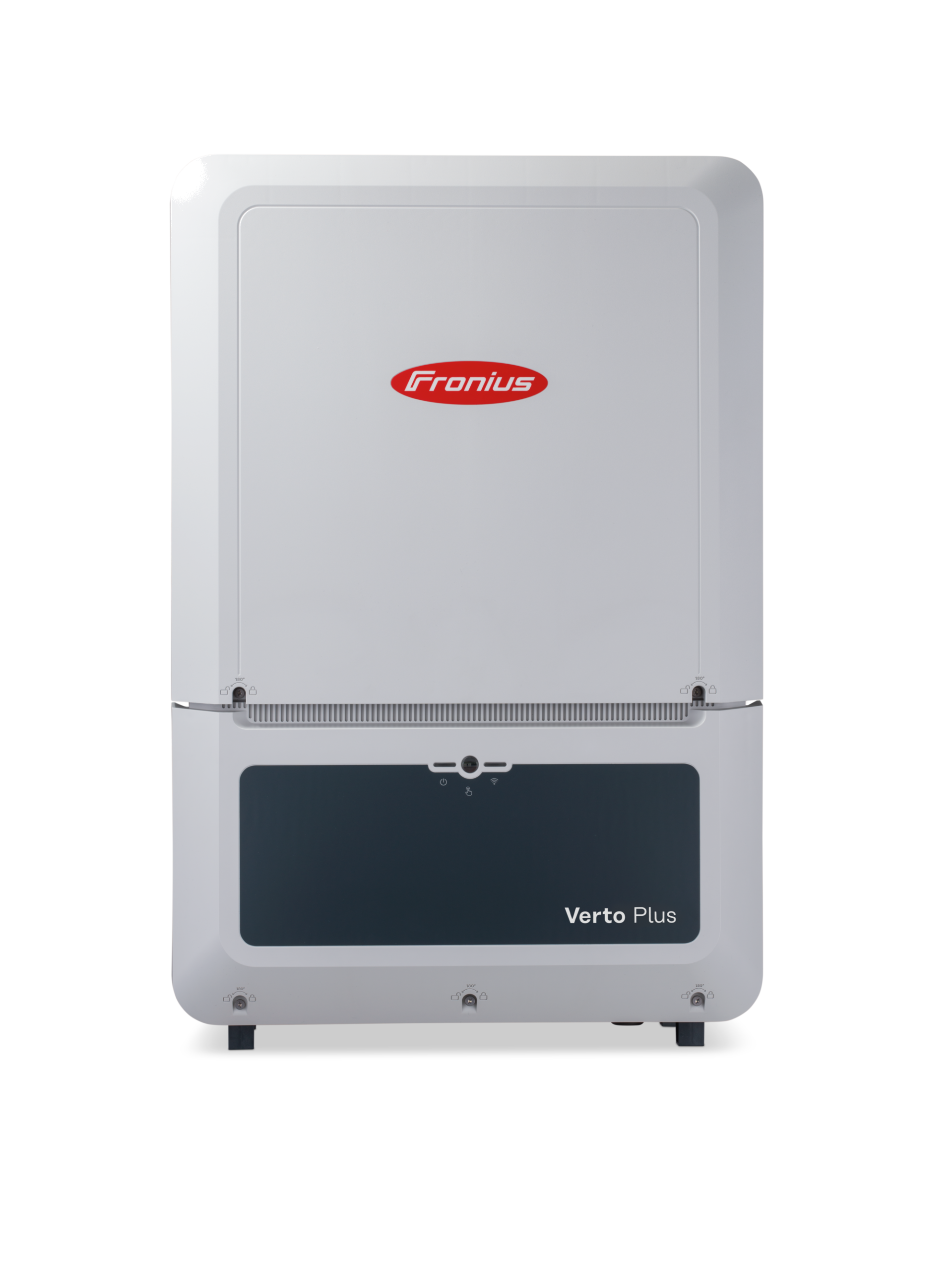
Fronius Verto Plus hybrid inverter
The Plus version of Fronius's three-phase Verto inverter, 15 kW to 33.3 kW with three MPPT, for large homes and businesses adding a battery.
From $6,599 including GST
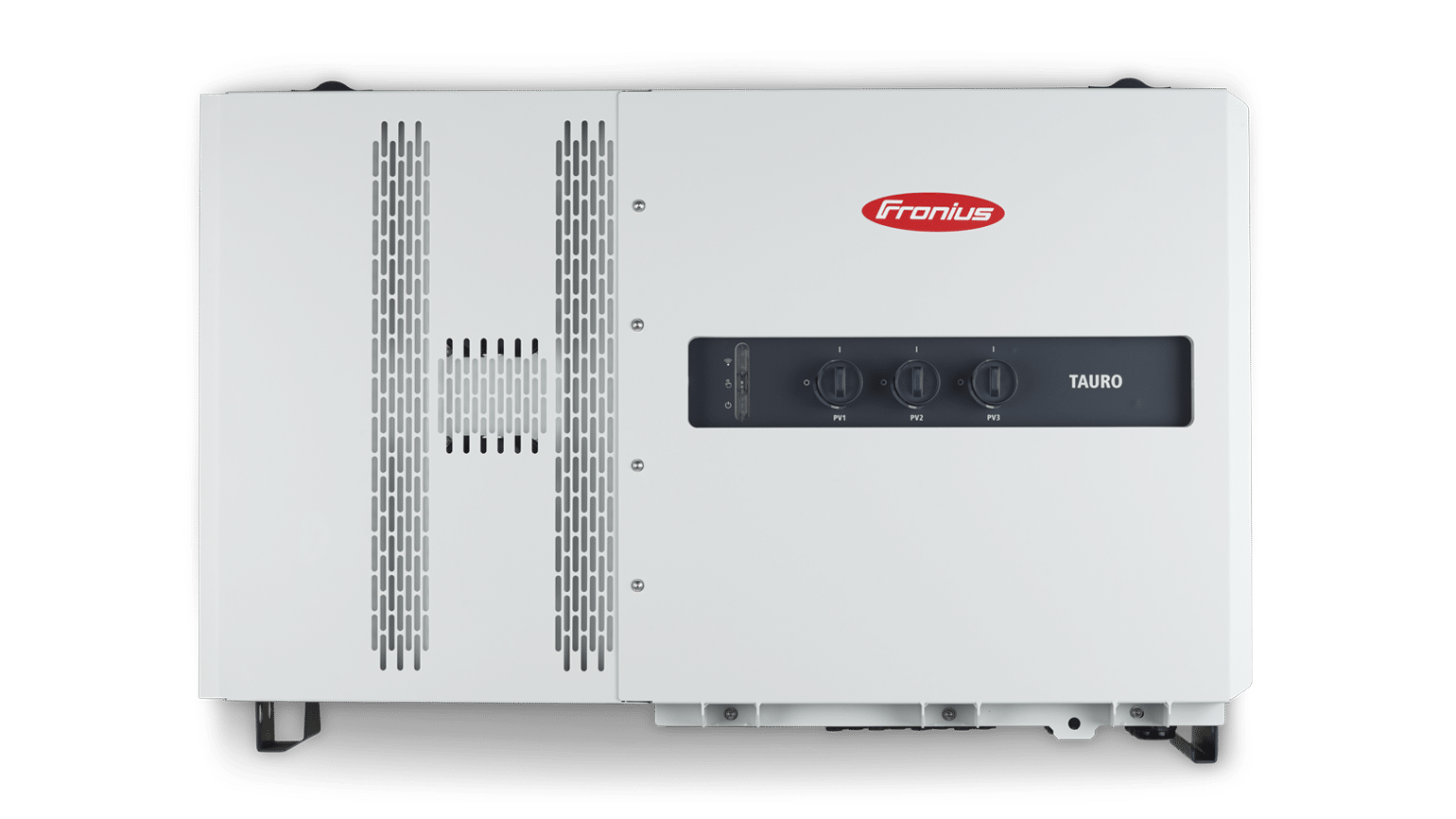
Fronius Tauro ECO commercial solar inverter
Fronius's commercial Tauro ECO Direct inverter at 50 kW and 100 kW, three phase with one MPPT and 30 A fuses.
From $8,386 including GST
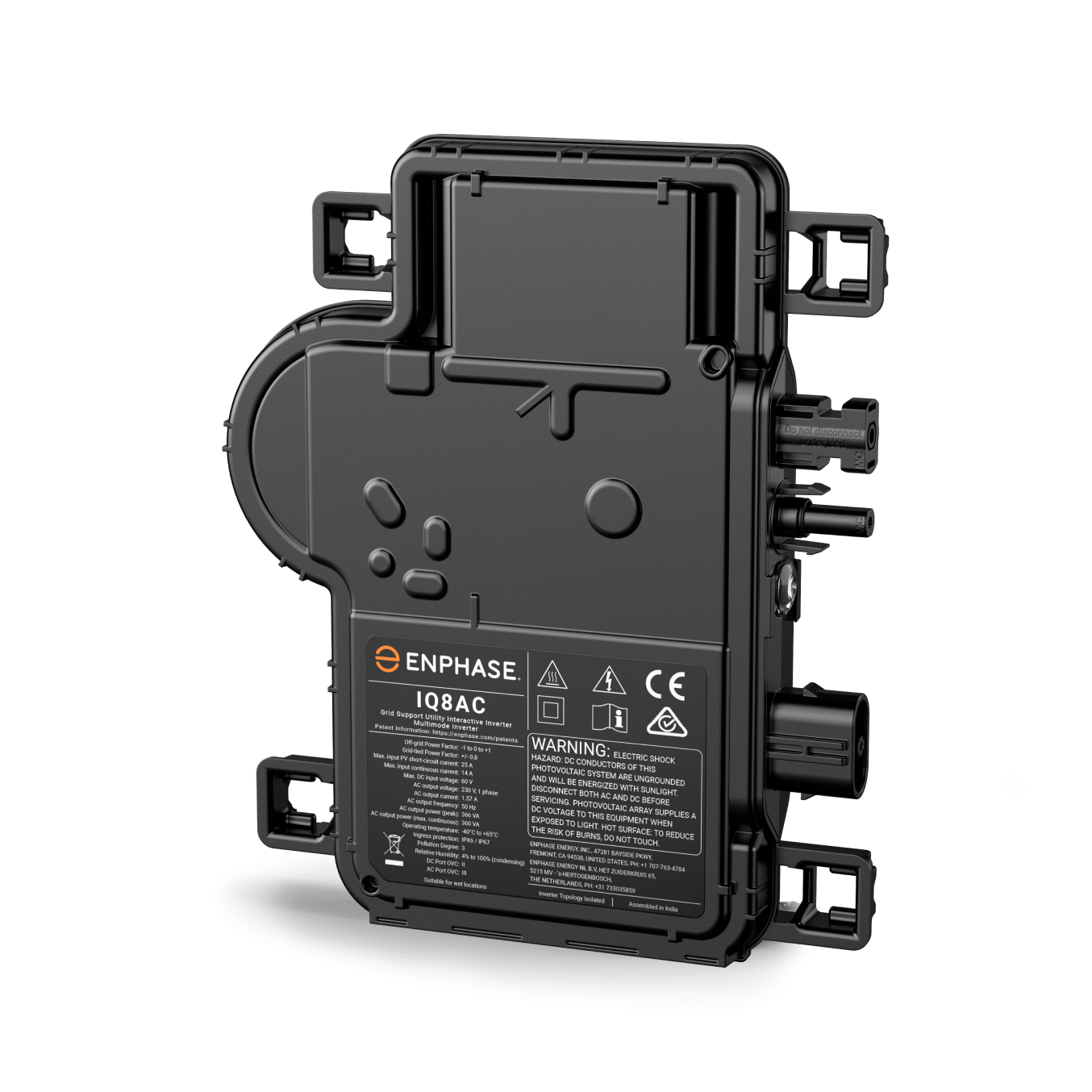
Enphase IQ8AC microinverter
Enphase's IQ8AC microinverter, one under each panel, rated at 360 W with an integrated MC4 DC connector. Priced each.
From $213 including GST
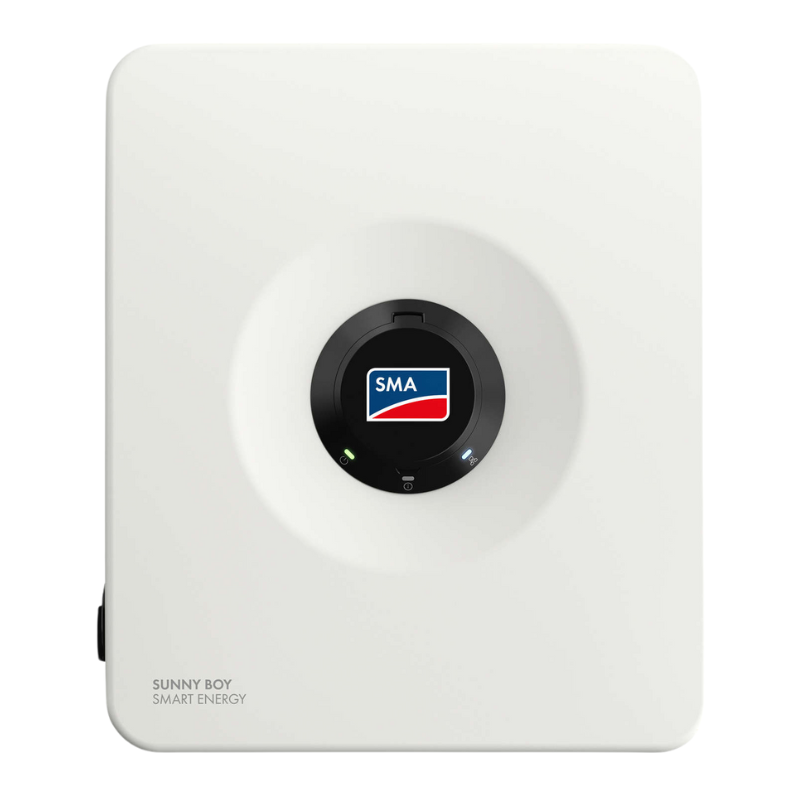
SMA Sunny Boy Smart Energy hybrid inverter
SMA's single-phase hybrid inverter at 5 kW and 6 kW with three MPPT.
From $3,092 including GST
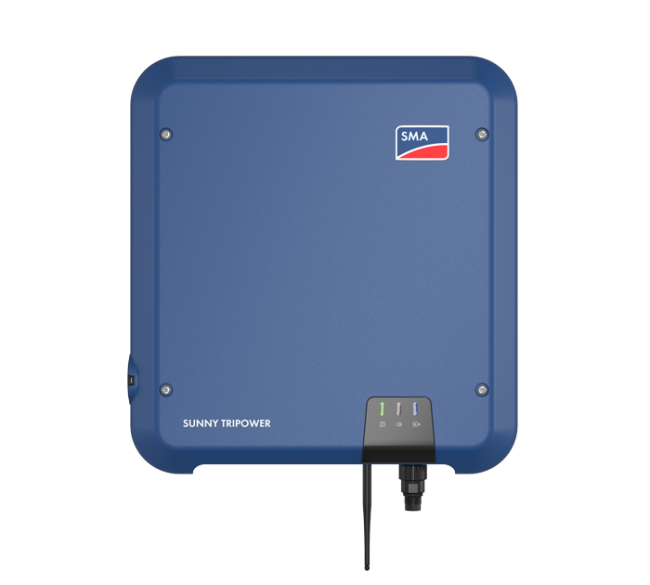
SMA Sunny Tripower solar inverter
SMA's three-phase solar inverter at 6 kW and 8 kW with two MPPT.
From $2,131 including GST
WHAT YOU ARE ACTUALLY BUYING
What is included, and what is not.
Included as standard
- A full design for your roof, including string layout, shading and where the array actually goes
- Panels, inverter, mounting, isolators, cabling and all the electrical work
- Grid connection application with Evoenergy or Essential Energy, and the export limit set correctly
- Assignment of your small-scale certificates, with their value taken off the price up front
- Electrical Certificate of Compliance, and the paperwork your retailer needs to reconfigure the meter
- Handover, monitoring set up on your phone, and a walk through of what you are looking at
What can add to it
We look for every one of these before quoting. Anything that applies is priced in writing before you commit.
- Switchboard upgrade, where the existing board has no main switch, no spare ways, or ceramic fuses
- Meter reconfiguration or replacement, which is charged by your retailer and not by us
- Tile replacement where tiles are already cracked, or roof repairs found once we are up there
- A network capacity assessment if you want to export more than the standard limit
- Extended cable runs where the board sits a long way from the array, or in a detached garage
- Asbestos handling, crane hire, scaffolding on very steep or high roofs, and tree work
What counts as a standard job
A standard job is a single storey tile or metal roof with reasonable access, an array on one or two faces, a switchboard with a main switch and room for the new breaker, and an ordinary cable run from the array to the board. We look for every one of the items above before quoting, and anything that applies is priced in writing before you commit to anything.
WHAT YOU CAN ACTUALLY CLAIM
Rebates, and who they are for.
Rebates change often and most of them have conditions that decide whether you qualify. These are the ones that apply here, with the catch stated rather than buried.
ACT
Small-scale certificates, the federal solar discount
Your system earns small-scale technology certificates and we take their value off your price up front. The ACT rates as Zone 3 at 1.382, and 2026 installs are deemed for 5 years. On 1 January 2027 deeming falls to 4 years, which cuts the certificate count on the same system by about a fifth.
ACT
Home Energy Support Program
For ACT homeowners holding an eligible pensioner concession, veterans or health care card, this pays half the installed price of rooftop solar, capped at 2,500 dollars, subject to a property value test and attendance at a free Everyday Climate Choices workshop. It is the ACT Government route to funded solar, and it can be paired with a zero interest loan of up to 10,000 dollars.
ACT
Sustainable Household Scheme, a note rather than a rebate
The ACT loan scheme covers batteries, hot water heat pumps, electric heating and cooling, electric vehicles and chargers, from 2,000 to 20,000 dollars at 3 per cent over up to 10 years. Rooftop solar is not on its list for general households. Solar is funded through the Home Energy Support Program instead.
NSW
Small-scale certificates, the federal solar discount
The same federal certificates apply in NSW and come off your price up front. Queanbeyan, Yass, Goulburn and most of the nearby country sit in Zone 3 like Canberra. The Snowy Mountains and the far south coast fall into Zone 4, which earns slightly fewer. Deeming drops from 5 years to 4 on 1 January 2027.
NSW
Home Energy Saver
Zero interest loans of up to 15,000 dollars for rooftop solar, batteries, switchboard upgrades, hot water heat pumps and EV chargers, for households with a combined income up to 210,000 dollars. A separate discount of up to 4,000 dollars for lower income households and renters has been announced but is not open yet.
NSW
Solar for Apartment Residents
Co-funding for solar on strata buildings of 3 to 55 lots with no solar in the last 10 years. The owners corporation applies, not an individual resident, and several councils near the border sit in the higher Boost tier. Applications close on 4 December 2026, or earlier if the funding is fully allocated.
Rebate information last checked 20 September 2026. We confirm what you qualify for, in writing, before anything is ordered.
HOW IT ACTUALLY GOES
From first call to switched on.
- 1
We look at your bills
Twelve months of usage tells us more than any phone call. We want your daily average, your seasonal swing and, if you have a smart meter, when in the day you actually use it.
- 2
We look at the roof
Satellite first, then in person for anything that matters. Orientation, pitch, shade through the year, roof material, the switchboard, and where the cables can run.
- 3
You get a design and a fixed price
The exact panel and inverter model, the layout, the certificate value already taken off, and any extra work named and priced. Not a range.
- 4
We apply to your network
Evoenergy in the ACT, Essential Energy in NSW. Approval comes back with your export limit on it, and we set the inverter to match.
- 5
Installation
Usually one day for a standard home, two if the switchboard needs work or access is difficult. The power is off for part of it and we tell you when.
- 6
Compliance, meter and handover
Certificate of Compliance issued, paperwork sent to your retailer so they can reconfigure your meter, monitoring set up on your phone, and a walk through of how to read it.
THE QUESTIONS WE GET ASKED
Straight answers.
How big a system can I actually put on?
Two separate limits apply. Your network caps what you can export, which is 5 kVA per phase in the ACT and usually 5 kW for the whole site on Essential Energy in NSW. Your roof and your budget cap the panels. You can fit more panels than your export limit, and it often makes sense to, because the extra goes into what you use during the day.
Will I still have power in a blackout?
Not with solar alone. A grid connected inverter shuts down when the grid goes down, which is a safety requirement and not a fault. Backup during an outage needs a battery and the right inverter, and it needs to be designed in from the start.
Is it worth waiting for prices to fall?
The certificate discount is falling faster than equipment prices are. Deeming drops from 5 years to 4 on 1 January 2027, which takes about a fifth off the certificate value of the same system. Waiting a year usually costs more than it saves.
How long do panels and inverters last?
Panels commonly carry a 25 to 30 year performance warranty and a product warranty somewhere between 12 and 30 years depending on the maker. Inverters are typically 5 to 12 years, sometimes extendable. The inverter is the part most likely to need replacing first, so it is worth knowing who supports it in Australia.
Who actually does the work?
Installation is carried out by accredited installers under Solar Accreditation Australia, which took over accreditation of solar installers and designers from the Clean Energy Council in 2024. Whoever is on your roof, the design, the compliance and the warranty support stay with us.
What happens to my feed-in tariff?
It is set by your electricity retailer, not by us and not by the network, and it can change. That is why we size systems on what you will use rather than on what you will export. In the Essential Energy area of NSW, two way pricing has also begun, which can put a small charge on large midday exports and pay you more for exporting in the evening.
Want to know what your roof can actually do?
Send us a recent bill and an address. You will get a real design with a real price on it, including the certificate discount and anything unusual about your site, before you have to commit to anything.
Where people usually go next
 4.8132
 4.7157
Prices on this website are for the ACT and within 35 km of Canberra. Further out, the same system usually costs 15–30% more for travel, time away and the extended warranty responsibility that comes with distance. We confirm the final price before you commit to anything.